

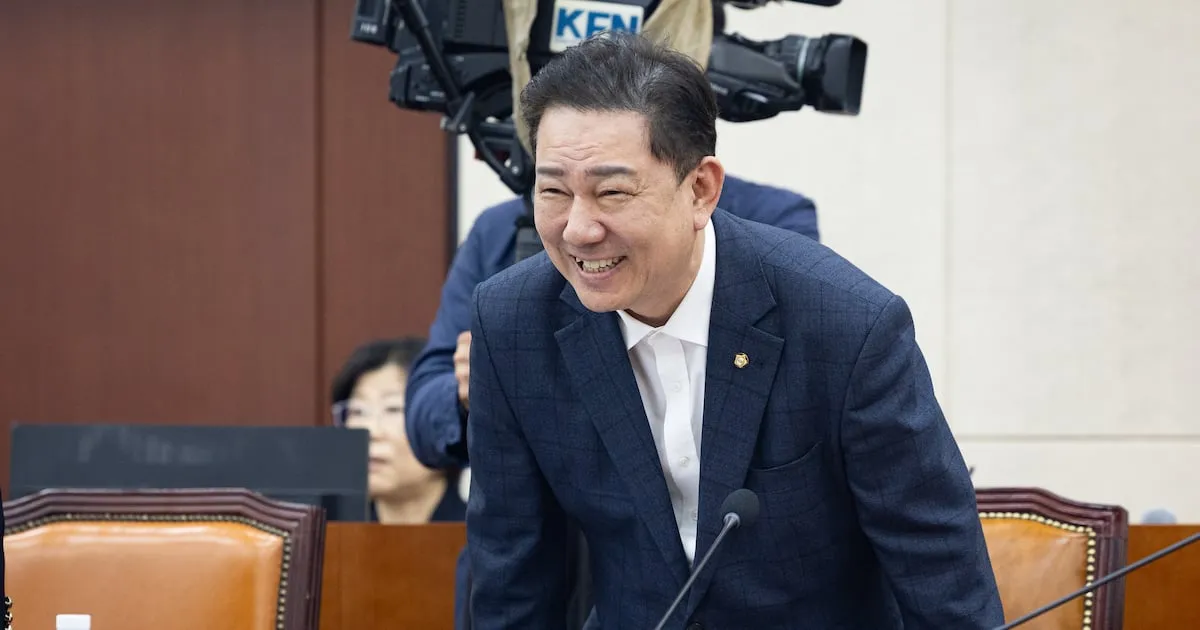
South Korean police have expressed regret following the prosecution’s rejection of their request for an arrest warrant for lawmaker Kim Byeong-gi. The police, who had been investigating Kim for nearly a year, stated their intention to thoroughly supplement their investigation based on the prosecution’s feedback. A police official commented on the decision during a regular press briefing, indicating that they found the outcome regrettable but would diligently address the prosecution’s requests for additional investigative details.
Police Investigation Details and Allegations
The Seoul Metropolitan Police Agency had been investigating Kim Byeong-gi on suspicion of involvement in 13 alleged offenses. These included accusations of preferential employment for his children, embezzlement of public funds, and illegal solicitation of political funds. The investigation, which spanned approximately one year, culminated in a request for an arrest warrant on charges of receiving bribes, professional dereliction of duty, and obstruction of business, filed under the Act on Special Cases Concerning the Punishment of Specific Crimes.
Specifically, the police cited allegations such as providing preferential treatment in hiring to his children, misappropriating funds, and illegally receiving money related to his business dealings. The investigation into these matters was extensive, involving meticulous gathering of evidence and interviews.
Prosecution’s Decision and Reasoning
The Seoul Central District Prosecutors’ Office denied the arrest warrant request on November 11. The prosecution cited insufficient grounds for detention, noting that the suspect had cooperated with the investigation on seven occasions. Furthermore, the prosecution stated that considering the overall investigative results over a five-month period from the initial investigation to the warrant application, there was a lack of clear justification for immediate detention. The prosecution also indicated that additional evidence might be required for some of the alleged offenses.
The prosecution’s decision led to criticism that the police investigation was insufficient and that the timing of the arrest warrant application was missed. Some observers suggested that the police had not adequately built their case before seeking detention.
Police Response and Future Actions
In response to the criticism, the police official explained that the thoroughness of their investigation and meticulous legal review naturally led to the passage of time. The official emphasized that the investigation had been conducted in close consultation with the prosecution throughout the process. The police maintain that their investigative efforts were aimed at ensuring the highest level of accuracy and completeness.
Regarding future steps, the police have not yet decided whether to reapply for an arrest warrant. The official stated that this decision would be made after completing the supplementary investigation as requested by the prosecution. All possibilities remain open, indicating that if the additional investigation yields sufficient evidence and strengthens the case, a renewed request for detention could be submitted.
Broader Context and Legal Procedures
The case highlights the complex legal procedures involved in seeking arrest warrants for public officials, especially when substantial investigations are required. The prosecution’s role is to review the evidence presented by the police and determine if there are sufficient grounds to believe that the suspect might flee, destroy evidence, or pose a continued risk if not detained.
In South Korea, an arrest warrant is a judicial order authorizing law enforcement to detain a suspect. It is typically sought when there is a risk of flight, destruction of evidence, or recidivism. The prosecution acts as the intermediary between the police and the judiciary in this process. When a warrant is denied, it often signifies that the judge or prosecutor believes the evidence presented does not meet the threshold for pre-trial detention, or that less restrictive measures would suffice.
The police’s commitment to conducting a thorough supplementary investigation underscores their dedication to pursuing the case. The outcome will depend on their ability to gather additional evidence that satisfies the prosecution’s concerns and addresses the points raised by the court or prosecution regarding the necessity of detention.
Potential Implications
The rejection of the arrest warrant does not necessarily mean the end of the investigation or that the allegations are unfounded. It signifies a pause in the detention process, allowing for further investigation. Lawmakers in South Korea, like public figures in many democracies, often have certain legal protections, and the threshold for detention can be higher compared to ordinary citizens, requiring a more robust presentation of evidence by the investigating authorities.
The police’s next steps will be closely watched, as will the response from the prosecution and the legal team representing Kim Byeong-gi. The situation remains fluid, with the possibility of further legal actions pending the results of the ongoing supplementary investigation.
