

North Korea is reportedly expanding the role and capabilities of its primary intelligence agency, the General Staff Department’s Reconnaissance General Bureau (RGB), which is responsible for intelligence gathering and cyber operations targeting South Korea and overseas. This expansion is expected to involve organizational reforms and personnel changes within the agency.
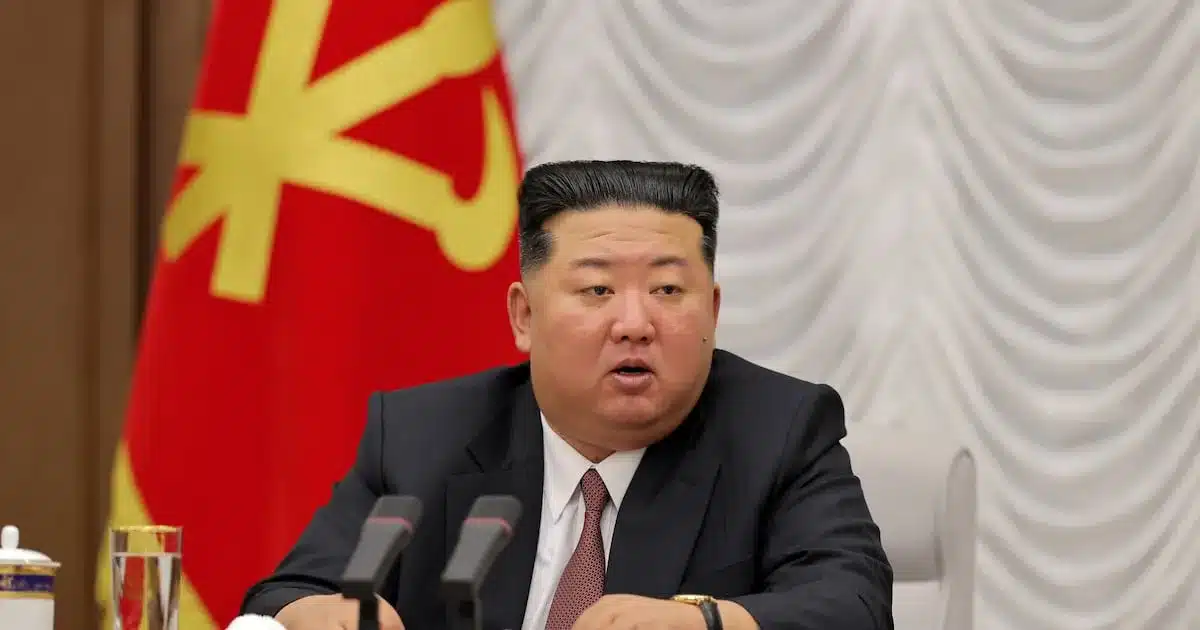
The decision to broaden the RGB’s functions was reportedly made during a meeting of the Workers’ Party of Korea’s Central Military Commission, the 9th session of its 1st enlarged meeting, held on the previous day. Kim Jong-un, the chairman of the commission, was in attendance. According to state media reports, the meeting outlined comprehensive plans to significantly enhance the nation’s military intelligence and information interception capabilities by expanding the RGB’s duties and responsibilities.
Strengthening Intelligence and Cyber Warfare Capabilities
The RGB, which was previously an expansion and reorganization of the general staff’s reconnaissance bureau, is described by North Korea as a crucial entity for managing threats from “potential enemies” and collecting intelligence from abroad. While the specific methods of this expansion remain undisclosed, the agency’s mandate appears to be significantly broadened.
During the meeting, discussions also focused on adjusting and appointing key leadership positions within the Korean People’s Army (KPA). This suggests that the anticipated organizational restructuring will extend to intelligence and information-related sectors, potentially leading to subsequent personnel reshuffles.
Enhancing Military Readiness and Ideological Purity
The meeting also addressed measures to boost the overall combat readiness and morale of the KPA. Reports indicate that a key agenda item was “important political and military work” aimed at increasing the political and military-technical might of the KPA and achieving qualitative changes in the combat readiness of all military units.
Kim Jong-un reportedly signed seven orders related to “crucial military countermeasures.” He emphasized that the security, prestige, and respect of socialist Korea are inseparable from a powerful military force. He reiterated the party’s unwavering policy of “building a strong military” as a means to transform the KPA into an “invincible armed force.”
Furthermore, Kim stressed that the KPA must consistently play a leading and central role in the struggle for the nation’s comprehensive development, alongside the defense of socialism. He called for the “thorough militarization and modernization of the KPA to enhance its practical capabilities.”
Modernization and Infrastructure Development
The agenda also included plans for strengthening nuclear capabilities and modernizing military infrastructure. State media reported that discussions covered plans to upgrade the technical sub-structures of combat systems, qualitatively and quantitatively expand nuclear capabilities, and standardize, professionalize, and modernize military facilities.
Additionally, the meeting addressed the expansion of duties related to the construction of modern naval bases, the enhancement of capabilities at various Korean-style shipbuilding facilities, the advancement of technology in the sector, and the transformation of nationwide tunnel areas. These initiatives underscore a broader effort to modernize and strengthen North Korea’s military infrastructure and operational capacity.
Focus on Cyber and Information Warfare
The expansion of the RGB’s role specifically highlights North Korea’s increasing emphasis on cyber and information warfare. In recent years, the country has been implicated in numerous cyberattacks targeting financial institutions and government entities globally, often attributed to state-sponsored groups.
The strengthening of the RGB is likely intended to bolster these existing capabilities, enabling more sophisticated and effective operations in the digital domain. This includes not only offensive cyber operations but also enhanced intelligence gathering through digital means, potentially targeting critical infrastructure and sensitive information in adversary nations.
The agency’s mandate to collect intelligence from abroad, coupled with the drive for modernization, suggests a strategic focus on leveraging advanced technologies to gain a strategic advantage. This could involve developing new cyber tools, enhancing network infiltration techniques, and improving the analysis of collected data.
Implications for Regional Security
The reported expansion of North Korea’s intelligence and cyber warfare apparatus signals a potentially significant shift in the regional security landscape. Increased capabilities in these areas could lead to a heightened threat of cyberattacks, espionage, and destabilization efforts directed at South Korea and its allies.
The emphasis on strengthening military readiness and modernizing infrastructure, including nuclear capabilities, further underscores North Korea’s ongoing commitment to developing its military power. This development warrants close monitoring by the international community, particularly concerning its implications for inter-Korean relations and broader geopolitical stability.
The lack of specific details regarding the methods of expansion leaves room for speculation, but the overall direction indicates a strategic prioritization of intelligence, cyber operations, and overall military modernization within North Korea’s national security strategy.
