

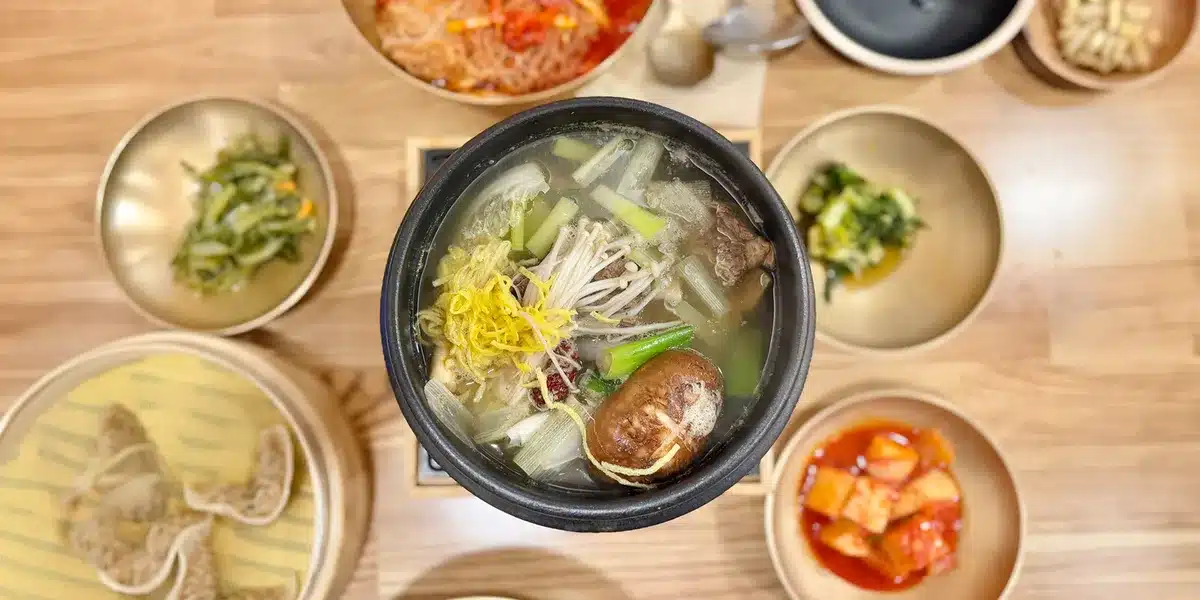
In Korea, a steaming bowl of soup, or ‘tang’ (탕), is more than just a meal; it’s a symbol of warmth and comfort. While familiar favorites like Gomtang (beef bone soup) and Seolleongtang (ox bone soup) are staples, a deeper dive into Korean culinary history reveals a fascinating array of lesser-known ‘tangs’ with unique origins and flavors. These dishes, often overlooked, offer a rich tapestry of taste and tradition, perfect for exploring, especially as the summer heat prompts a desire for the traditional Korean practice of ‘fighting fire with fire’ (이열치열 – Iyeolchiyeol).
Exploring the Diverse World of Korean Tangs
The names of many Korean soups directly reflect their main ingredients: Gomtang is made from beef, Galbitang from ribs, and Samgyetang from chicken. Even spicy seafood stews like Maeuntang often feature their primary seafood, such as cod or catfish, in their names. The characters in the names can evoke vivid imagery, like the ‘tong’ (통) in Chueotang, suggesting whole loaches, or the oceanic aroma that wafts from Baekhap (clam) or Mosijogae (mussel) tang.
However, some soups present a delightful enigma, their names hinting at stories beyond simple ingredients. Dishes like Eogultang, Ogamtang, Johnson-tang, Bangchitang, and Hyojonggaeng pique curiosity, drawing diners into their unique narratives. From soups simmered for hours with air-dried pollack to unexpected combinations like duck and potato dumplings, these lesser-known tangs offer a culinary adventure.
This exploration delves into five such distinctive soups, each with a compelling story and a flavor profile that promises to intrigue the palate.
Eogultang (어글탕): Park Seon-hee’s Air-Dried Pollack Eogultang
The name ‘Eogultang’ immediately sparks curiosity. Does ‘eogul’ derive from the English word ‘ugly,’ or is it a regional dialect? The owner of Park Seon-hee’s Air-Dried Pollack Eogultang explains that ‘eogul’ refers to the process of simmering air-dried pollack until its essence is fully extracted.
The broth is prepared by meticulously fermenting air-dried pollack (hwangtae), then simmering it for 24 hours in a cast-iron pot with ingredients like onions, dried anchovies, astragalus root, and rehmannia root. The resulting broth is not visually striking but offers a subtle depth and clean flavor that lingers long after the last sip.
Diners often remark, “It tastes like nothing I’ve had before.” The soup provides a sense of internal cleansing, as if washing the body from the inside out. Its unique character is further highlighted by its accompanying side dishes: a refreshing salad of blanched lettuce with a simple dressing and a flavorful jangajji (pickled vegetable) made from seaweed and perilla leaves – a combination difficult to find elsewhere.
This dish is a local favorite in Daejeon, often sought out by those feeling fatigued. While Daejeon is famous for its ‘Sung Sim Dang’ bakery, Eogultang is another culinary gem worth experiencing in the city.
Ogam-tang (오감탕): Solgitta Raenjongga Yuwhang Ori
Located near the artificial lake of Paroho in Gangwon Province, the journey to Solgitta Raenjongga Yuwhang Ori involves a climb up a winding mountain path, living up to its name. The owner explains that ‘Ogam’ can mean ‘to awaken the five senses,’ but more directly, it signifies the soup’s key ingredients: duck and potato dumplings.
This ‘Ogam-tang’ differs from the familiar Gamjatang (pork bone and potato soup). The broth is topped with a generous amount of perilla powder, releasing a nutty aroma. Inside, tender duck meat, chewy potato dumplings, and fresh vegetables await. The rich flavor of perilla and the deep aroma of mushrooms blend harmoniously, followed by the savory taste of duck.
The soup offers a gentle warmth that envelops the body without being overly stimulating. This establishment is also known for its creative menu naming, with dishes like ‘Jang-gamtang’ (eel gamjatang) and ‘Yang-gamtang’ (lamb gamjatang). Opting for the Ogam-tang instead of Chuncheon’s famous dakgalbi proved to be an unexpected yet rewarding discovery on the way to Paroho.
Johnson-tang (존슨탕): Badashikdang
Badashikdang’s renowned Johnson-tang is a dish that evokes fond memories for many. The restaurant, which opened its doors over 30 years ago, remains a personal sanctuary for Seoulites seeking a unique culinary experience. Initially called ‘Joheuntang’ (good soup), meaning it was beneficial for health, the name was reportedly changed to ‘Johnson-tang’ after a visit by former U.S. President Lyndon B. Johnson to Korea.
The soup is made with high-grade 1++ Hanwoo beef, simmered with napa cabbage for an extended period, and enriched with ham and sausage. While the description might sound like Budae-jjigae (army base stew), the taste is distinctly different, offering a flavor profile reminiscent of Western stews.
The subtle sweetness from the napa cabbage permeates the broth, balanced by a slice of cheese that adds a final touch of richness. It’s neither too spicy nor bland, striking a perfect chord. One diner exclaimed, “I’ve never seen such perfectly formed sausage before!”
Most patrons order Johnson-tang with a side of beef sausage. Served sizzling on a cast-iron plate, the sausage is visually impressive. It’s rich in meat but not overly salty or greasy, giving it a healthy feel, akin to a ‘healthy Budae-jjigae.’ Badashikdang, which opened in 1970, has become a landmark, complete with a new building and even a star-shaped sign. A single spoonful of its broth instantly brings back memories from 30 years ago.
Bangchitang (방치탕): Deokwon Sikdang
The name ‘Bangchitang’ might be misleading, suggesting a fish dish, but ‘bangchi’ actually refers to the cut of beef near the hip bone, adjacent to the brisket. At Deokwon Sikdang, located in a Yeongdeungpo market alley, the large chunks of meat in the earthenware pot immediately capture attention.
“Is this really for one person?” a diner asked, to which the owner playfully offered a fork. Two massive bone-in pieces of meat dominate the dish, their size awe-inspiring. Due to the difficulty in sourcing this cut domestically, most establishments use Australian beef. The preparation involves carefully scraping the meat from the bones, revealing collagen and tender flesh. The seasoning is minimal, allowing the natural flavor of the meat to shine. A side of clear broth further enhances the savory taste.
The price has risen to the mid-40,000 won range, making it a considerable expense. Yet, its unique texture and striking presentation draw customers back. The nickname ‘Hermes of the Kkori-gomtang world’ likely stems from its rarity and exceptional quality.
Hyojonggaeng (효종갱): Narahwegwan
“Is this the food King Hyojong used to eat?” a curious diner inquired. The owner clarified, “It means soup that arrived when the dawn bell rang.”
Historically, establishments skilled in preparing Hyojonggaeng were found in Namhansanseong Fortress. Records indicate that the soup, simmered overnight, was delivered in earthenware pots to the residences of high-ranking officials in Hanyang (modern-day Seoul) as soon as the curfew was lifted at dawn. In those days, it was a premium restorative soup made with ingredients like beef brisket, abalone, seafood, and mushrooms, slow-cooked for hours.
Finding a place that still makes authentic Hyojonggaeng from Namhansanseong is rare today. However, traces of this historical delicacy can be found at restaurants like Hangukjip in Chungmuro and Narahwegwan in Jongno.
The clear beef broth, subtly infused with the aroma of medicinal herbs, offers a savory yet deep flavor that lingers. Unlike the often sharp taste of hangover soups, Hyojonggaeng is more akin to a royal court’s nourishing broth, designed to replenish the body.
The idea of a dawn delivery service for food in the Joseon Dynasty is fascinating. While Gomtang and Seolleongtang offer familiar comfort, Eogultang, Bangchitang, and Hyojonggaeng represent hidden treasures, remnants of a rich culinary past waiting to be rediscovered.
