

South Korean insurance companies are significantly increasing their volunteer activities, focusing on underserved populations such as the elderly, low-income families, and individuals with disabilities. Moving beyond simple monetary donations, these firms are seeing a rise in hands-on volunteer work where employees directly participate in community service.
Expanding Reach Through Direct Engagement
Several major insurance providers have launched extensive volunteer campaigns, demonstrating a commitment to social contribution that goes beyond traditional philanthropy. These initiatives often involve a large number of employees dedicating their time and effort to various causes. The emphasis is shifting towards direct engagement, fostering a deeper connection between the company, its employees, and the communities they serve.
Shinhan Life’s Anniversary Campaign
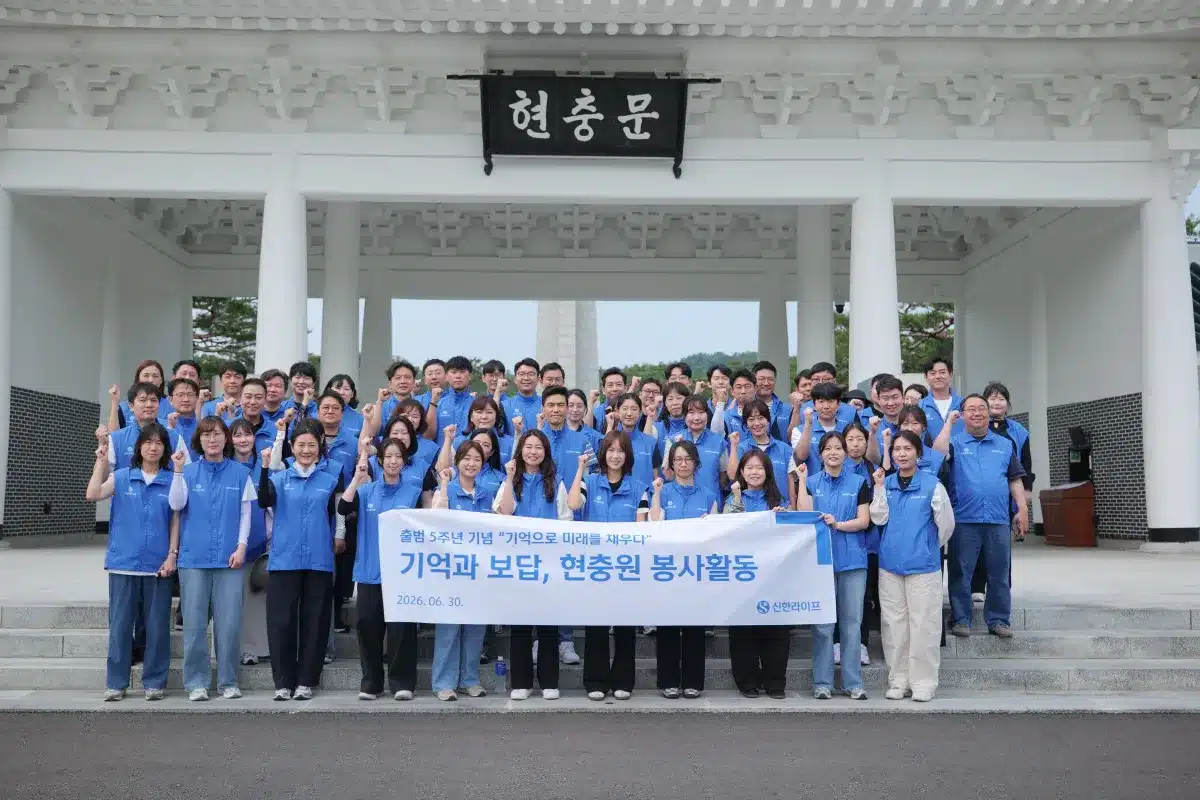
To commemorate its fifth anniversary, Shinhan Life organized a five-day relay volunteer campaign from late June to early July. This initiative saw the participation of approximately 280 employees. The campaign aimed to reflect on the company’s growth alongside its customers, employees, and local communities since its inception. It was designed as an expression of gratitude and a way to share the company’s success.
The campaign covered six key themes: supporting the elderly, community development, environmental protection, aiding vulnerable groups, and life-saving initiatives. Through these diverse social contribution activities, Shinhan Life employees engaged in a variety of meaningful projects.
Specific Volunteer Activities Undertaken by Shinhan Life:
- Elderly Support: Volunteer work at the Seoul Senior Welfare Center, distributing essential goods.
- Environmental Restoration: Participating in environmental cleanup and beautification efforts at the Seoul National Cemetery and along Cheonggyecheon Stream.
- Community Improvement: Contributing to the improvement of residential environments in areas like the ‘jjokbangchon’ (small room villages) near Seoul Station.
- Life-Saving Initiatives: Engaging in activities related to blood donation and marrow donation drives.
Mirae Asset Life’s Birthday Celebrations for Seniors
Mirae Asset Life partnered with the Dongjak-gu Senior Welfare Center to conduct a special ‘Birthday Celebration for Seniors’ volunteer activity. This event was specifically designed for elderly individuals celebrating their birthdays at the center. Employees prepared heartfelt birthday cakes and small gifts, spending quality time with the seniors to offer emotional support and celebrate their special day.
The initiative was organized to share joy and provide sincere encouragement to the elderly residents. Employees meticulously prepared the cakes and gifts, aiming to create a warm and festive atmosphere. This direct interaction allowed employees to connect with the seniors on a personal level, reinforcing the company’s commitment to supporting vulnerable populations.
Heungkuk Life’s ‘Wish Bear’ Initiative for Ill Children
Heungkuk Life organized a ‘Wish Bear’ making volunteer event to support children suffering from intractable diseases, offering encouragement for their recovery and the fulfillment of their wishes. Approximately 70 employees voluntarily participated in creating these ‘hope bears’.
The completed handmade bears are delivered to children undergoing treatment through the ‘Wish Travel’ program, run by the international non-profit organization Make-A-Wish. For each bear created, a donation of 30,000 Korean Won is made. This initiative combines direct employee participation with a significant financial contribution, amplifying its impact on the lives of sick children.
A Growing Trend in Corporate Social Responsibility
The increasing involvement of insurance company employees in direct volunteer work signifies a broader trend in corporate social responsibility (CSR). Companies are recognizing the value of hands-on engagement in building stronger community ties and enhancing their brand image. By actively participating in social contribution activities, these firms not only provide tangible support to those in need but also foster a sense of purpose and camaraderie among their employees.
This shift towards direct, impactful volunteerism reflects a mature approach to CSR, where businesses integrate social good into their core operations. The focus on vulnerable groups highlights a commitment to inclusivity and addressing critical societal needs. As more companies adopt similar models, the positive impact on communities and the insurance sector’s reputation is expected to grow.
Conclusion
The proactive engagement of insurance companies in volunteer activities, particularly through direct employee participation, underscores a significant evolution in their approach to social responsibility. By dedicating time and resources to support vulnerable populations like the elderly, low-income families, and sick children, these firms are making a tangible difference. Initiatives such as anniversary campaigns, birthday celebrations for seniors, and the creation of ‘wish bears’ not only provide essential aid but also foster meaningful human connections. This growing trend of hands-on volunteering is strengthening community bonds and reinforcing the positive role of the insurance industry in society.
