

Germany’s defense firm TKMS (ThyssenKrupp Marine Systems) has been chosen as the preferred bidder for Canada’s multi-billion dollar submarine procurement project, according to Canadian media reports. The Canadian Patrol Submarine Project (CPSP) aims to acquire 12 new submarines, a deal estimated to be worth up to C$60 billion over its lifecycle, including maintenance and support.
Preferred Bidder Status Awarded to TKMS
The Globe and Mail reported on July 6th (local time) that Canadian Prime Minister Mark Carney is expected to announce Germany’s TKMS as the preferred supplier for the next-generation submarine fleet. While this designation is not a final contract, it typically signifies the decision-making stage in Canada’s defense procurement process.
Analysts suggest this decision reflects Canada’s strategic focus on strengthening defense cooperation with Germany, a fellow NATO member. The project is considered a cornerstone of Canada’s plan to increase defense spending to approximately 5% of its GDP by 2035.
This initiative marks Canada’s first acquisition of new submarines since the 1960s. The Royal Canadian Navy currently operates four aging submarines, but only one is typically considered operational at any given time, highlighting the urgent need for modernization.
Competition Between Hanwha Ocean and TKMS
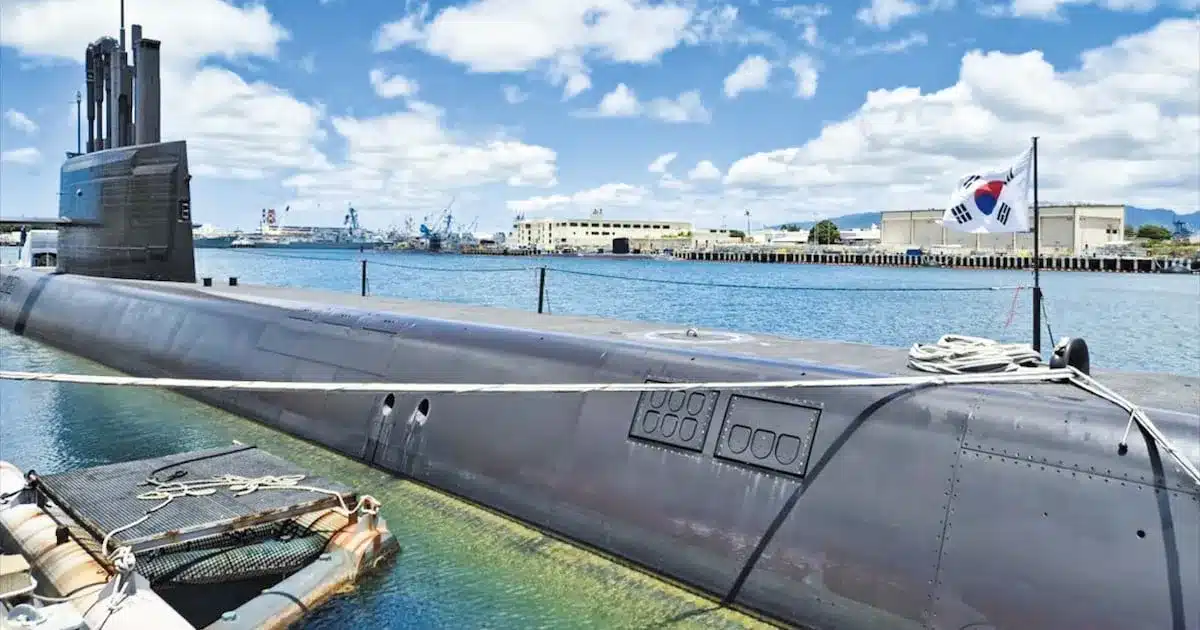
The competition for the CPSP was primarily between TKMS and a consortium led by South Korea’s Hanwha Ocean and HD Hyundai Heavy Industries. Both contenders were reportedly deemed to meet Canada’s military requirements, with Hanwha Ocean offering its Jangbogo-III Batch II design and TKMS proposing its 212CD class submarine.
Reports indicate that the final evaluation likely prioritized the potential economic benefits and industrial impact for Canada over purely technical specifications. Hanwha Ocean had pledged to create over 25,000 jobs annually between 2026 and 2044, along with C$70 billion in trade and investment. Their proposal included a C$200 million investment in Canadian steel company Algoma and the purchase of C$50 million worth of steel for submarine construction.
In response, TKMS, in collaboration with Norway, proposed to increase Canada’s GDP by C$86 billion and create over 650,000 “job-years” (a unit representing one person working for one year) throughout the project’s duration.
Intense Bidding and Strategic Considerations
The bidding process was described as unprecedented in its intensity, with both South Korea and Germany vying for the contract over the past year. South Korea demonstrated its capabilities by sending a real submarine to Canada earlier this year, and both nations saw significant engagement from political figures and government officials visiting Canada to lobby for their bids.
South Korea’s government and Hanwha Ocean mounted an aggressive promotional and public diplomacy campaign, aiming to establish this contract as a landmark export success for their domestic defense industry. Germany, conversely, emphasized its long-standing cooperative relationship with Canada as a NATO ally and TKMS’s extensive export record. TKMS has supplied submarines to 20 navies worldwide, while Hanwha Ocean’s export successes have primarily been with countries like Indonesia.
Final Contract Pending Further Negotiations
Despite TKMS being named the preferred bidder, the Canadian government has stated that this is not the final contract. Detailed negotiations will proceed with the preferred supplier before a final agreement is signed. Experts anticipate that reaching a definitive contract could take several years.
A spokesperson for the South Korean defense industry stated that they have not yet received any official confirmation regarding the selection, indicating that the process may still be subject to further review or clarification.
