

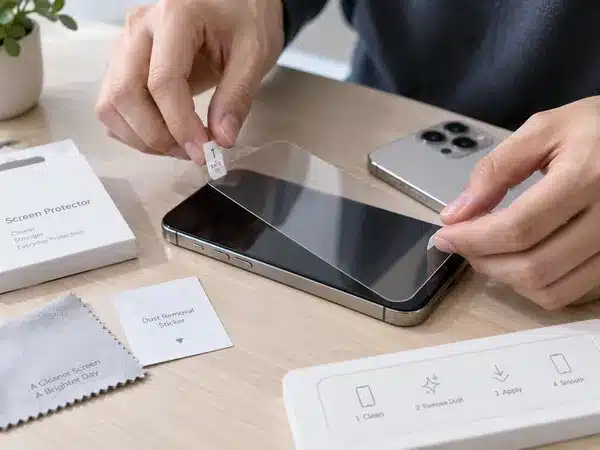
An executive at Apple has voiced strong opinions regarding the necessity of screen protectors for iPhones, suggesting that the devices’ built-in durability makes them redundant. Tom Boger, Apple’s vice president of hardware engineering, stated in a recent interview that he personally finds it “distressing” to see people applying screen protectors to their iPhones, emphasizing the company’s dedication to creating a beautiful, unadorned front display.
Apple’s Confidence in Ceramic Shield Durability
Boger’s remarks, reported by the technology publication The Verge, are seen as a reflection of Apple’s significant confidence in its ‘Ceramic Shield’ technology. This advanced material was first introduced with the iPhone 17 series and has since been incorporated into the external display of the iPhone 18 Pro and the foldable ‘iPhone Duo’. Apple has invested heavily in enhancing the Ceramic Shield’s resilience, particularly against everyday wear and tear.
The primary development goal for the Ceramic Shield, according to Boger, was to minimize the micro-scratches that inevitably accumulate on smartphone screens over extended use. Apple asserts that Ceramic Shield offers three times the scratch resistance compared to previous generations. This improvement is not merely about making the glass harder; it’s about engineering the material to maintain its integrity and appearance over the long term. The challenge in glass manufacturing often lies in balancing hardness with toughness; making glass more resistant to scratches can sometimes make it more prone to shattering from impacts. Apple claims to have focused on improving both characteristics simultaneously.
The Case Against Screen Protectors
Apple’s underlying message is clear: with the enhanced durability of the iPhone’s front glass, there is no need to add an extra layer of protection. Furthermore, applying a screen protector can interfere with the intended visual experience, potentially altering color accuracy and surface texture as designed by Apple. This degradation of the user experience is another reason the company discourages their use.
Consumer Perspectives on Screen Protection
However, consumer sentiment often diverges from the manufacturer’s ideal. The decision to use a screen protector is frequently driven by more than just preventing minor abrasions. Many users view screen protectors as a form of insurance against costly repairs. Replacing an iPhone display outside of warranty can cost hundreds of dollars, making a relatively inexpensive tempered glass or film protector a more economical choice for many.
The functionality offered by screen protectors has also expanded significantly. Beyond basic scratch prevention, consumers can now choose from privacy filters that limit viewing angles, anti-glare coatings, and even screen protectors with antimicrobial properties. These features are difficult, if not impossible, to replicate with the iPhone’s integrated front glass alone.
Durability in Foldable Devices: The iPhone Duo
Apple’s focus on durability extends to its foray into foldable technology with the anticipated ‘iPhone Duo’. Unlike traditional bar-style smartphones, foldable devices subject their screens and internal components to repeated physical stress during the folding and unfolding process. Apple has reportedly placed considerable emphasis on hinge durability and minimizing screen degradation over time for the iPhone Duo.
Boger explained that the iPhone Duo’s hinge is designed to provide a stable and secure feel, whether the device is fully open, folded, or at an intermediate angle. The goal was to emulate the solid, reassuring click of a luxury car door closing, rather than a loose, flimsy movement. To address the issue of screen creasing, which is a common structural weakness in foldable phones, the internal display features a matte finish. This design choice aims to make any potential creasing less noticeable, thereby improving the long-term aesthetic appeal.
Regarding the long-term resilience of the iPhone Duo, Boger invited scrutiny, stating, “Hold us accountable for whether we maintain this claim over time.”
The Evolving Smartphone Competition Landscape
Industry analysis suggests that smartphone manufacturers are increasingly shifting their competitive focus from camera technology, artificial intelligence, and processing power towards device durability. As product prices rise and upgrade cycles lengthen, the ability of consumers to use their smartphones without external cosmetic damage for an extended period is becoming a key differentiating factor in the market.
This trend indicates a growing consumer demand for devices that are not only technologically advanced but also built to last, challenging the notion that advanced materials alone negate the need for protective accessories.
