

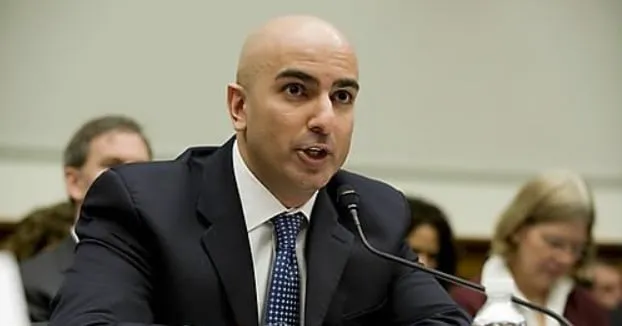
The inflation rate in the United States is too high across the entire economy, not just in energy prices, according to Neel Kashkari, President of the Federal Reserve Bank of Minneapolis. Kashkari emphasized that the persistent elevated price levels are a significant concern that the Federal Reserve is committed to addressing.
Inflation Concerns Beyond Energy Prices
In remarks to Fox News on September 20th (local time), Kashkari stated, “Even setting aside energy and food prices, which are highly volatile but important, inflation is still too high when considering the direction of the economy.” He elaborated that the inflation experienced by Americans daily extends beyond simple fuel costs and is evident throughout the economy, including the service sector.
Kashkari highlighted that the Federal Reserve possesses the tools necessary to bring inflation down to its target level. The primary mandate of the Fed, he reiterated, is to return inflation to the 2% objective. However, he clarified that this goal cannot be achieved through interest rate adjustments that would directly manipulate hormone levels or deliberately lower oil prices.
“We hope to receive some assistance from other parts of the government or other areas of the real economy,” Kashkari added, suggesting a need for a coordinated approach to tackling inflation.
Kashkari’s Stance on Interest Rate Hikes
Kashkari’s comments come after he supported the Federal Reserve’s decision to raise the benchmark interest rate by 0.25 percentage points in the previous week. This move was part of the Fed’s ongoing efforts to curb inflation.
Notably, Kashkari was one of three officials who dissented at the July Federal Open Market Committee (FOMC) meeting, advocating for a rate hike when the committee opted to hold rates steady. His consistent stance has positioned him as a prominent ‘hawk’ within the Federal Reserve, favoring a tighter monetary policy to combat rising prices.
Understanding the Federal Reserve’s Role in Inflation Control
The Federal Reserve, often referred to as the Fed, plays a crucial role in managing the U.S. economy through monetary policy. Its dual mandate includes maintaining maximum employment and stable prices. Currently, the focus is heavily on achieving price stability, which means bringing inflation down to the target rate of 2%.
Inflation, a general increase in prices and decrease in the purchasing value of money, can erode savings and impact consumer purchasing power. When inflation is high, the cost of goods and services rises, making it more expensive for households and businesses to operate.
Tools for Managing Inflation
The Federal Reserve has several tools at its disposal to influence inflation and the broader economy. The primary tool is the federal funds rate, which is the target rate for overnight lending between banks. By adjusting this rate, the Fed can influence borrowing costs throughout the economy.
- Interest Rate Adjustments: Raising interest rates makes borrowing more expensive, which can slow down spending and investment, thereby reducing inflationary pressures. Conversely, lowering rates can stimulate economic activity.
- Quantitative Easing/Tightening: The Fed can also influence the money supply through asset purchases (quantitative easing) or sales (quantitative tightening).
- Reserve Requirements: While less frequently used, the Fed can adjust the amount of money banks are required to hold in reserve.
The Broader Economic Context
Kashkari’s assertion that inflation is a widespread issue underscores the complexity of the current economic environment. Factors contributing to inflation can include supply chain disruptions, increased consumer demand, geopolitical events impacting commodity prices, and fiscal stimulus measures.
The Minneapolis Fed President’s perspective suggests that while energy prices are a visible component of inflation, the underlying inflationary pressures are more deeply embedded in the economy. This implies that sustained efforts will be required to bring inflation back to the Fed’s target.
The Federal Reserve’s commitment to its 2% inflation target is a cornerstone of its policy framework. Achieving this target is seen as essential for long-term economic stability and sustainable growth. The ongoing debate and actions surrounding interest rates reflect the Fed’s careful balancing act between controlling inflation and avoiding undue harm to economic activity.
Looking Ahead
As the Federal Reserve continues to monitor economic data, market participants and the public will be closely watching its future policy decisions. The emphasis on broad-based inflation suggests that the path to price stability may require continued vigilance and potentially further policy adjustments. The goal remains to foster an environment where prices are stable, supporting both consumer confidence and robust economic growth.
