

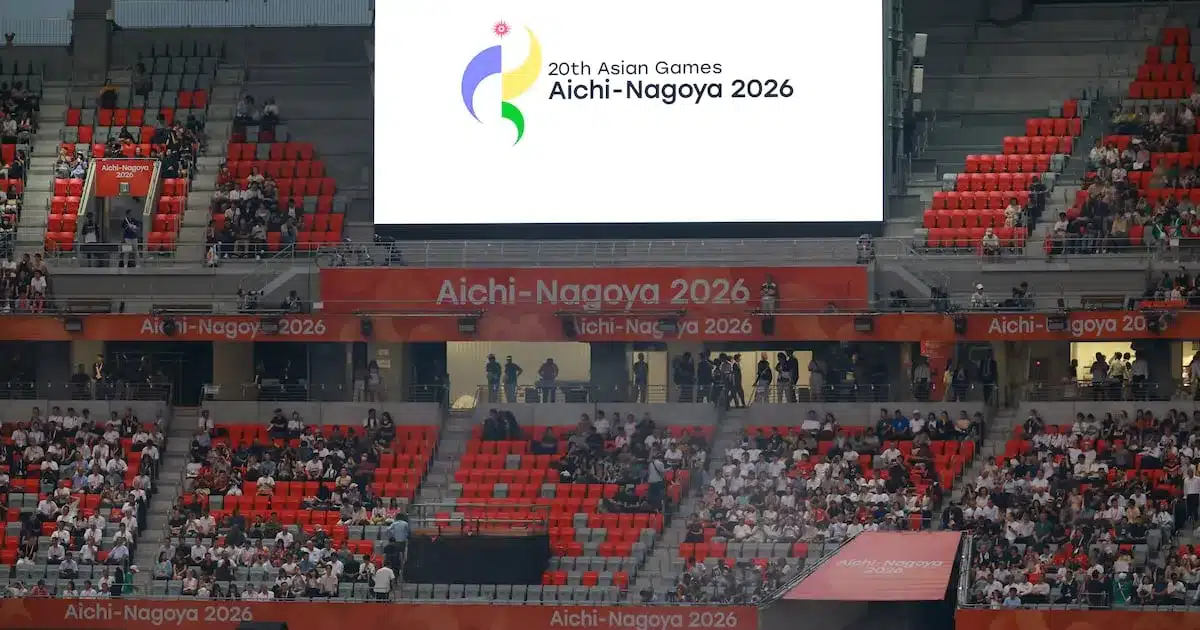
The 2026 Aichi-Nagoya Asian Games officially commenced on September 19th, marking Japan’s third time hosting the continental event. Previous games were held in Tokyo in 1958 and Hiroshima in 1994. This year’s event, returning to Japan after a 32-year hiatus, was anticipated to generate significant excitement among the Japanese public. Organizers had expressed hopes of leveraging the games to build experience in hosting major international sporting events and to showcase regional culture to a global audience.
Opening Ceremony Amidst Unfilled Seats
However, the atmosphere at the opening ceremony appeared to fall short of expectations, with numerous empty seats visible throughout the stadium. Even without magnification, the gaps in the audience were apparent. This observation was echoed by Japanese sports media, which focused on the sparse attendance. Publications such as Nikkan Sports and Daily Sports reported on the significant number of vacant seats, describing the scene as “considerably empty.”
Challenges Beyond the Opening Spectacle
The attendance issues were not confined to the opening ceremony alone. Reports indicate that several sports, including football and ice hockey, are also facing difficulties in drawing spectators. The Aichi-Nagoya Asian Games are scheduled to continue until October 4th. A key question remains whether the organizing committee can attract more attendees in the remaining period of the competition.
Historical Context of the Asian Games in Japan
Japan has a long-standing history with the Asian Games, having hosted the event twice before. The 1958 Tokyo Games were the first to be held in Japan, establishing the nation’s capability to organize large-scale international sporting competitions. Following Tokyo, Hiroshima hosted the games in 1994, a significant event for the city still recovering from the atomic bombing decades prior. The 1994 Hiroshima Games aimed to promote peace and recovery, using the platform of sport to convey a message of hope and resilience to the world.
The selection of Aichi and Nagoya as hosts for the 2026 edition represented a continuation of Japan’s commitment to the Olympic Council of Asia (OCA) and its efforts to promote sports across the continent. The region, known for its industrial prowess and cultural heritage, was expected to offer a unique backdrop for the games. Preparations involved extensive infrastructure development, including upgrades to existing sports facilities and the construction of new venues, alongside logistical planning for athletes, officials, and spectators from across Asia.
Economic and Cultural Objectives
Beyond the sporting competitions, the Aichi-Nagoya Asian Games were envisioned to provide a substantial economic boost to the host prefectures. Hosting an event of this magnitude typically involves significant investment in tourism, hospitality, and local services. The influx of visitors, including athletes, delegates, media, and fans from approximately 45 participating nations, was projected to stimulate economic activity. Furthermore, the games were intended as a cultural exchange, offering opportunities for participants and viewers to experience Japanese culture, particularly the distinct traditions of the Aichi region.
The Aichi Prefecture, located in the Chubu region of Honshu, is a hub for manufacturing, particularly in the automotive industry, with companies like Toyota headquartered there. Nagoya, its capital city, boasts historical sites such as Nagoya Castle and Atsuta Jingu Shrine, alongside modern attractions. The cultural programming associated with the games aimed to highlight these aspects, alongside traditional arts, cuisine, and festivals, providing a comprehensive experience of Japanese life.
Addressing Attendance Concerns
The disappointing turnout at the opening ceremony raises questions about the broader appeal and promotional strategies for the Aichi-Nagoya Games. Factors contributing to low attendance could include a variety of elements, such as the timing of the event, ticket pricing, the perceived competitiveness of host nation athletes in certain disciplines, or perhaps a general decline in public interest for the Asian Games compared to other major sporting events like the Olympics. The ongoing challenges in filling seats for various sports suggest a need for intensified promotional efforts and potentially revised strategies to engage the local and regional population.
The organizing committee faces the critical task of revitalizing public interest over the next two weeks. Strategies might include targeted marketing campaigns, community engagement initiatives, and potentially offering more accessible ticket options for remaining events. The success of the games, in terms of both athletic performance and public participation, will ultimately depend on the ability to overcome these initial hurdles and foster a vibrant, engaging atmosphere for athletes and spectators alike.
As the Aichi-Nagoya Asian Games progress, the focus will be on whether the event can gain momentum and achieve its objectives of promoting sports, fostering cultural exchange, and delivering a memorable experience for all involved, despite the subdued start.
