

Keeping fresh herbs vibrant and flavorful for extended periods is a common culinary challenge. Fortunately, simple storage techniques can significantly prolong their shelf life, allowing you to enjoy their aromatic qualities in your cooking for longer.
Understanding Herb Storage Needs
Different types of herbs have varying storage requirements. Broadly, they can be categorized into two groups: soft herbs and hard herbs.
Soft Herbs
These include delicate herbs like parsley, cilantro, mint, dill, basil, and tarragon. They have tender leaves and stems and are more susceptible to wilting and spoilage.
- Method 1: The Bouquet Method
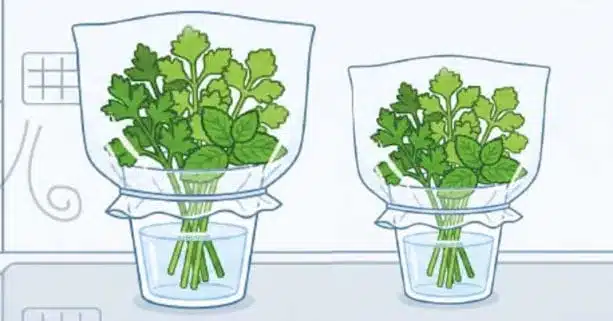
This method is ideal for most soft herbs. Treat them like a bouquet of flowers:
- Trim the ends of the stems slightly, similar to how you would prepare cut flowers.
- Remove any bruised or yellowing leaves.
- Place the herb stems in a jar or glass filled with about an inch of fresh water.
- Cover the leaves loosely with a plastic bag (a produce bag works well). This creates a humid environment without trapping too much moisture, which can lead to mold.
- Store the jar in the refrigerator.
- Change the water every couple of days to keep it fresh and prevent bacterial growth.
This method is particularly effective for parsley, cilantro, mint, and dill.
- Method 2: For Basil
Basil is a bit more sensitive to cold and can turn black in the refrigerator. For basil, it’s often best to store it at room temperature:
- Trim the stems and place them in a jar of water, just as you would for other soft herbs.
- Keep the jar on your kitchen counter, away from direct sunlight.
- You can loosely cover the leaves with a plastic bag if your environment is very dry, but it’s not always necessary.
If you must refrigerate basil, ensure it’s thoroughly dried after washing and store it in a loosely sealed bag to minimize exposure to cold air.
Hard Herbs
Hardy herbs, such as rosemary, thyme, oregano, sage, and marjoram, have tougher leaves and woody stems. They are more forgiving and can be stored in slightly different ways.
- Method 3: The Wrapped Method
This method is excellent for preserving the essential oils and preventing drying out:
- Gently wash the herbs and pat them thoroughly dry with paper towels or a clean kitchen towel. Moisture is the enemy here, as it can lead to rot.
- Wrap the dried herbs loosely in a slightly damp paper towel. The paper towel should be moist, not wet.
- Place the wrapped herbs inside a resealable plastic bag or an airtight container.
- Store in the refrigerator’s crisper drawer.
This method helps maintain a balanced humidity, keeping the herbs fresh without making them soggy.
Long-Term Storage Options
If you have an abundance of herbs and want to preserve them for even longer periods, consider these methods:
- Freezing Herbs:
Freezing is a great way to preserve the flavor of herbs, especially for use in cooked dishes where texture is less critical.
- In Water or Oil: Chop the herbs finely and place them into ice cube trays. Fill the trays with either water or olive oil, then freeze. Once solid, transfer the herb cubes to a freezer-safe bag or container. This method is excellent for herbs like basil, parsley, cilantro, and chives.
- Whole or Chopped: For hardier herbs like rosemary or thyme, you can freeze them whole or chopped on a baking sheet until firm, then transfer to a freezer bag.
- Drying Herbs:
Drying is a traditional method that concentrates the flavor of herbs. While some delicate flavors may be lost, robust flavors often intensify.
- Air Drying: Tie small bundles of herbs together with string and hang them upside down in a warm, dry, well-ventilated area away from direct sunlight. Once completely dry and brittle, strip the leaves from the stems and store them in airtight containers.
- Oven Drying: Spread herbs in a single layer on a baking sheet and dry them in an oven set to its lowest temperature (around 180°F or 80°C), with the door slightly ajar to allow moisture to escape. This process can take a few hours.
- Dehydrator: A food dehydrator provides consistent, controlled drying and is an efficient option.
Tips for Maximum Freshness
- Start with Fresh Herbs: Always select herbs that are bright, vibrant, and free from wilting or blemishes.
- Handle Gently: Herbs are delicate. Avoid bruising the leaves, as this can release their volatile oils and diminish flavor.
- Dry Thoroughly: Whether refrigerating or freezing, ensuring herbs are dry after washing is crucial to prevent spoilage and ice crystals.
- Label and Date: For longer-term storage like freezing or drying, label your containers with the type of herb and the date of storage.
- Use Appropriately: Remember that dried herbs have a more concentrated flavor than fresh ones and are best suited for cooked dishes. Frozen herbs can often be used directly from the freezer in cooking.
By employing these simple yet effective storage methods, you can significantly extend the life of your fresh herbs, reducing waste and ensuring you always have a burst of flavor on hand for your culinary creations.
