

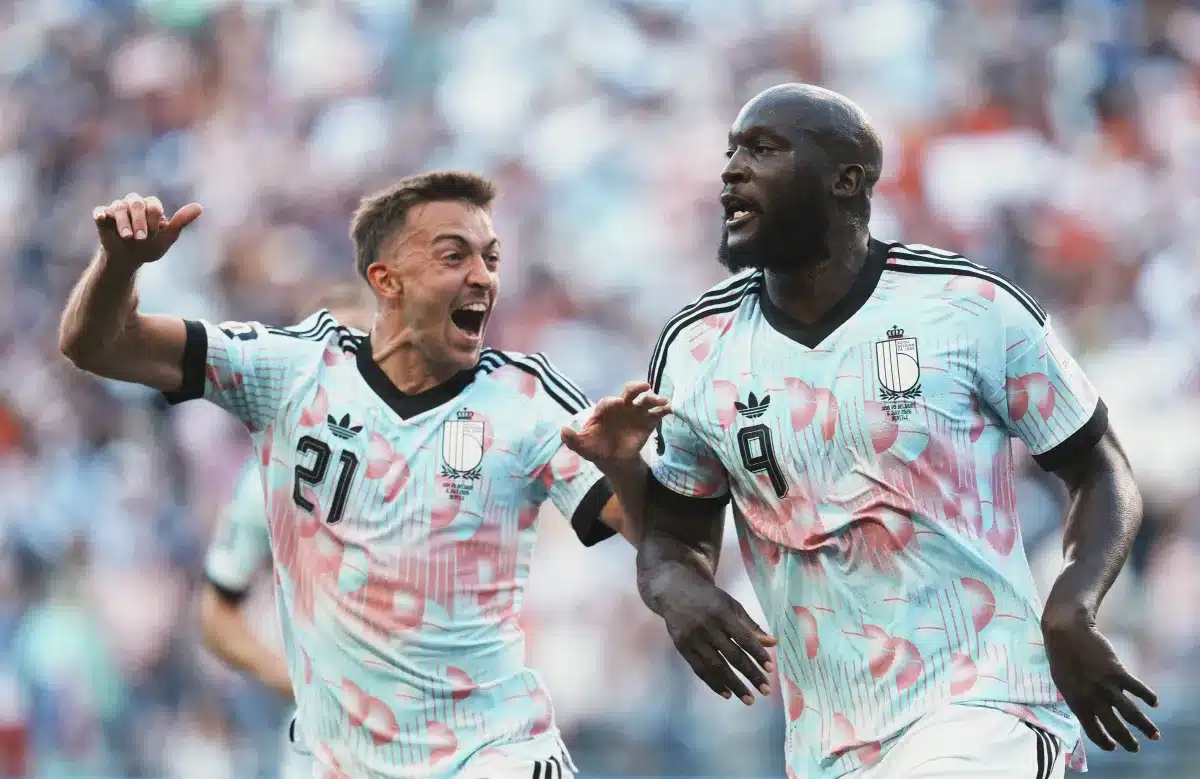
In a match that will be etched in World Cup history, Belgium delivered a stunning upset, defeating the United States 4-1 in a crucial Round of 16 clash. The victory propels Belgium into the quarterfinals, where they are set to face Spain. The encounter, held at Seattle Stadium, captivated global attention not only for its dramatic scoreline but also for a significant controversy surrounding U.S. forward Folarin Balogun.
Balogun’s Suspension and Controversial Reversal
Folarin Balogun, a key attacking player for the United States, had initially been suspended for the Belgium match after receiving a red card in a previous game against Bosnia and Herzegovina. The offense involved stepping on an opponent’s ankle, leading to his automatic ejection and subsequent ban. This was a significant blow to the U.S. team’s prospects.
However, in a surprising turn of events, the Fédération Internationale de Football Association (FIFA) decided to suspend the execution of Balogun’s ban for one year. This decision was reportedly based on Article 27 of FIFA’s regulations, which allows for the review and potential adjustment of sanctions by the Disciplinary Committee. The committee’s reconsideration paved the way for Balogun to be eligible for the match against Belgium.
Allegations of Trump’s Influence
The reversal of Balogun’s suspension became a major talking point, with allegations surfacing that former U.S. President Donald Trump played a role in the decision. The Wall Street Journal reported that FIFA’s decision to overturn the ban was made amidst direct communication with President Trump and swift action from his administration. The newspaper described the move as one of the most audacious decisions in the 96-year history of the World Cup.
Following the announcement that his ban would be suspended, President Trump expressed his gratitude via social media, stating, “I am grateful to FIFA for correcting a great injustice.” This statement further fueled speculation about the extent of his involvement.
Match Analysis: Belgium’s Dominance
Despite the off-field drama, the match itself saw Belgium assert their dominance. U.S. head coach Gregg Berhalter included Balogun in the starting lineup, hoping he would provide the offensive spark the team needed. However, Balogun struggled to make a significant impact during his time on the field. He was eventually substituted in the second half, replaced by a different player during stoppage time.
The United States, having reached the Round of 16 for the second consecutive World Cup after their performance in Qatar, ultimately could not overcome Belgium’s superior play. The 4-1 scoreline reflected a clear advantage for the Belgian side.
Post-Match Reactions and Social Media Taunts
Following the decisive victory, the official social media accounts of the Belgian national team posted messages that appeared to taunt the United States. One post, accompanying match results, declared, “This is called ‘football'” – a deliberate alteration of the American term ‘soccer’ by prefixing ‘football’ with ‘foot’. This subtle yet pointed jab aimed to highlight the global dominance of the sport known as football.
Further posts continued the theme. A picture of Romelu Lukaku’s goal celebration included the caption, “Overturn this,” a direct challenge to the U.S. team and the circumstances surrounding Balogun’s eligibility. Ahead of their quarterfinal match against Spain, another post on the Belgian team’s official account featured a phone emoji, seemingly taunting the U.S. with the phrase “Quarter-final calling,” implying that the U.S. team’s World Cup journey had ended while Belgium’s continued.
Coach Martinez’s Perspective
Belgium’s World Cup coach, Roberto Martínez, commented on the team’s performance and the situation surrounding Balogun. He emphasized the maturity of his squad, stating, “Our players are very mature, and we have leaders who can help them navigate these situations. I told the players, ‘The most important thing is ourselves.'”
Martínez also addressed Balogun directly, noting that the U.S. player had approached him to discuss the matter. “Balogun came to us first to talk about it. I am grateful for Balogun’s sincerity. This situation is not Balogun’s fault. I told Balogun directly that he is not responsible for this situation,” the coach added, suggesting a sense of understanding and support for the player despite the controversy.
The match marked a significant moment in the tournament, showcasing Belgium’s strength on the field and raising questions about the influence of external factors in international football governance. As Belgium advances, the focus shifts to their challenging quarterfinal tie against Spain, while the United States reflects on their World Cup campaign.
