

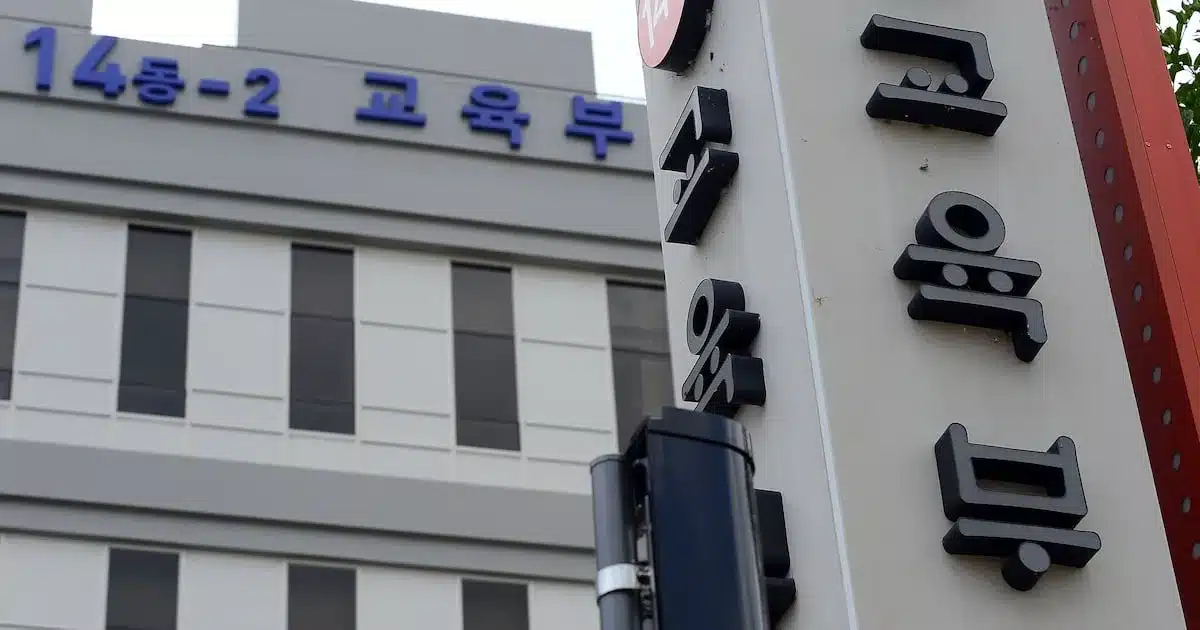
South Korea is significantly increasing the financial rewards offered to individuals who report illegal activities by private tutoring academies, known as ‘hagwon’. These enhanced incentives, which can be up to ten times the current amount, aim to curb violations such as unregistered or undeclared tutoring, exceeding fee limits, and operating outside permitted hours. The Ministry of Education announced the revised enforcement decree for the ‘Act on the Establishment and Operation of Hagwon and Tutoring Classes’ (Hagwon Act) on the 16th, detailing the substantial hikes in whistleblower compensation.
Increased Penalties for Hagwon Violations
Under the new regulations, individuals reporting unregistered or undeclared tutoring activities will be eligible for rewards of up to 2 million won (approximately $1,450 USD), a tenfold increase from the previous maximum of 200,000 won. Similarly, reports concerning the charging of fees exceeding registered amounts or tutoring outside of officially designated hours will now qualify for rewards up to 1 million won, a significant jump from the prior 100,000 won maximum.
These revised reward amounts are effective immediately upon the decree’s publication. The increased rewards will apply to all reports filed on or after the enforcement date. This measure is part of a broader government strategy to strengthen oversight and regulation of the private education sector, which plays a crucial role in the South Korean academic landscape.
Government’s Commitment to Fair Education Practices
The Ministry of Education stated that this revision is a follow-up measure to the ‘Strengthening Management of Private Education Fees’ plan, which was unveiled during the second meeting of the Government’s ‘Special Team for Managing the Prices of Daily Necessities’ on February 26th. This initiative underscores the government’s commitment to ensuring fair competition and preventing exploitative practices within the private education market.
To facilitate these reporting efforts, the Ministry has also launched a new ‘Illegal Private Education Reporting Center’. Previously, reporting channels were managed through a separate website. Now, these have been consolidated into the Ministry of Education’s official website, offering a unified platform for public reporting. The system integrates with the government’s unified login service, allowing users to log in conveniently using existing accounts from platforms like Naver and Kakao, simplifying the reporting process.
Streamlined Reporting and Reward Claims
Furthermore, the process for claiming rewards has been improved. Individuals can now apply for whistleblower compensation concurrently with filing their report, making the system more efficient for those who come forward with information. This dual-action capability aims to encourage more citizens to report irregularities and to expedite the reward process.
Ongoing Inspections and Enforcement
The Ministry of Education, in collaboration with provincial and metropolitan offices of education, has been conducting special inspections of hagwon and tutoring centers since January. As of the end of June, these inspections covered 55,280 private education facilities nationwide. During these checks, a total of 5,021 violations of regulations were identified.
Following these findings, administrative actions, including orders to cease tutoring, warnings, and other penalties, were issued for a total of 6,691 cases. These actions ranged from suspension of operations to more severe sanctions, reflecting the government’s firm stance against non-compliance.
Addressing Illegal Practices Effectively
Choi Eun-ok, the Vice Minister of Education, emphasized the necessity of these regulatory changes. “This revision is an unavoidable measure to effectively curb the illegal activities of some hagwon by activating the public’s vigilance function,” Choi explained. The enhanced reward system is designed to empower citizens to play an active role in monitoring and reporting, thereby creating a more transparent and regulated private education environment.
The government’s proactive approach, including increased rewards and streamlined reporting, signals a strong determination to tackle issues within the private education sector. By incentivizing whistleblowers and strengthening enforcement, South Korea aims to ensure that private tutoring services operate within legal frameworks, ultimately benefiting students and parents by promoting fairness and preventing undue financial burdens.
