

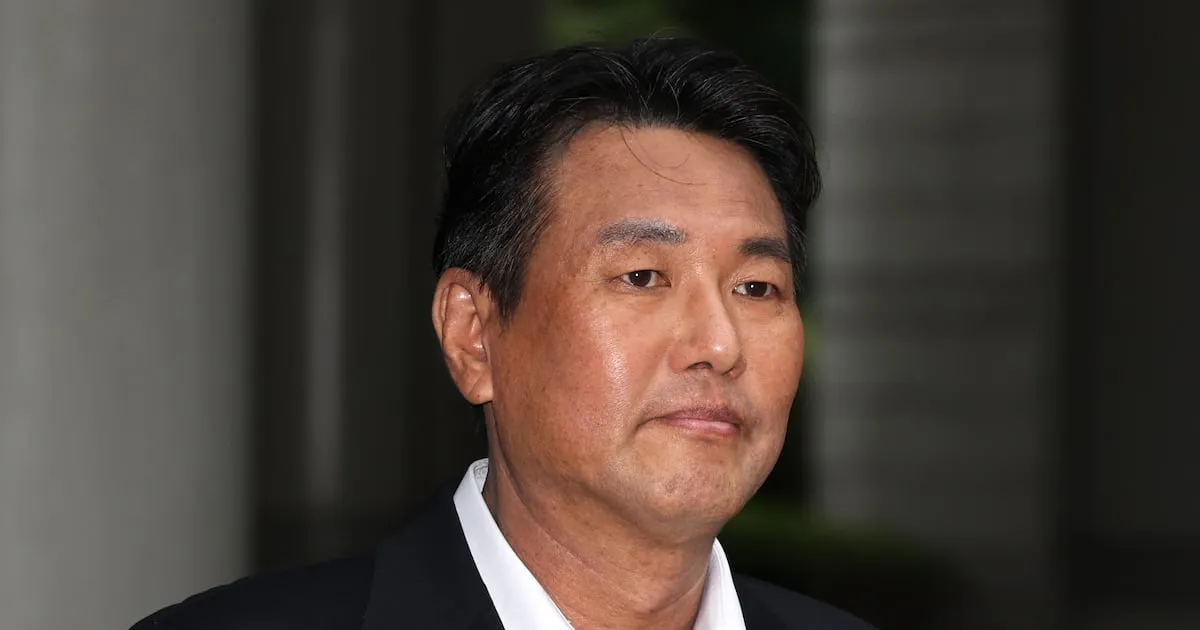
Kim Tae-hyo, a former deputy director of the National Security Council (NSC) under the previous administration, has been arrested. The arrest stems from allegations that he conveyed messages to key foreign allies, including the United States, seeking to legitimize the declaration of martial law on December 12th and 3rd of the previous year. The Seoul Central District Court issued an arrest warrant for Kim on the 10th, citing a risk of evidence tampering.
Allegations Surrounding Martial Law Declaration
The investigation, led by the 2nd Special Investigation Team, centers on accusations that Kim Tae-hyo, while serving as deputy director of the NSC, engaged in activities to justify the controversial martial law decree. This decree, announced by then-President Yoon Suk-yeol, was intended to be a contingency measure. However, it has since drawn significant scrutiny and criticism.
Dissemination of Justification Messages
According to reports, Kim is accused of using external government officials to communicate with major foreign powers, such as the United States, immediately following the martial law announcement. The core of these communications, it is alleged, was to persuade these nations of the necessity and legitimacy of the martial law declaration. The messages reportedly conveyed that the measures were taken to protect liberal democracy and that all political actions were conducted within the framework of the constitution.
The specific charges against Kim Tae-hyo include violations of the State Security Act, particularly concerning the dissemination of false information during a state of emergency and the abuse of authority by public officials. Prosecutors believe that Kim’s actions, if proven, could have significantly influenced international perceptions and potentially undermined democratic principles.
Legal Proceedings and Investigation Timeline
The arrest warrant was issued by Judge Lee Jong-seok of the Seoul Central District Court. The judge’s decision to grant the warrant was based on the assessment that there was a credible risk of Kim attempting to destroy or tamper with evidence related to the case. This is a standard procedure in South Korean law when prosecutors present sufficient grounds to believe that an individual might obstruct the investigation.
The 2nd Special Investigation Team has been diligently pursuing this case, gathering evidence and interviewing relevant individuals. The team’s mandate for the current investigation period is set to conclude on the 24th of the current month. However, there are ongoing discussions and proposals within the political sphere to extend this investigation period.
Legislative Proposals for Extension
The main opposition party, the Democratic Party of Korea, is reportedly considering a legislative move to extend the investigation period by an additional 30 days. This proposal involves amending the special prosecution law. Such a move would allow the investigation team more time to thoroughly examine all aspects of the alleged martial law justification scheme, potentially uncovering further details or identifying additional individuals involved.
The political implications of this arrest are significant. The martial law declaration itself was a highly contentious issue, raising concerns about the potential for authoritarian overreach. The subsequent investigation into alleged attempts to legitimize it, and the arrest of a high-ranking former official, underscores the gravity of the situation and the deep divisions it has created within South Korean society and its political landscape.
Broader Context and Implications
The events surrounding the martial law declaration and the subsequent investigation highlight ongoing tensions regarding national security, democratic processes, and the balance of power within the government. The previous administration’s actions have been subject to intense public and political debate, with critics questioning the transparency and necessity of the measures taken.
The arrest of Kim Tae-hyo is a critical development in this ongoing saga. It signifies a determined effort by the current investigative bodies to hold individuals accountable for actions perceived as undermining democratic norms. The outcome of this investigation and the subsequent legal proceedings will likely have lasting implications for how such sensitive national security decisions are made and scrutinized in the future.
As the investigation progresses and the legislative proposals for extension are considered, South Korea remains focused on these developments. The public awaits further clarity on the extent of the alleged actions and the potential consequences for those involved. The commitment to uncovering the full truth and ensuring accountability appears to be a central theme as this complex case unfolds.
