

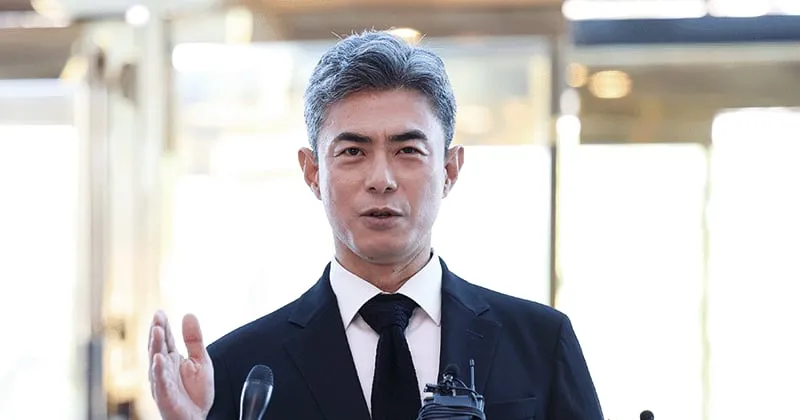
Kang Shin-chul, the nominee for South Korea’s Minister of National Defense, has expressed his support for the merger of the Army, Navy, and Air Force officer academies, a proposal championed by the previous administration. Kang stated on October 14th that integrating these institutions is necessary and that there are undoubtedly valuable educational components that must be shared collectively.
In a written response submitted to the National Assembly two days before his confirmation hearing, Kang indicated that if appointed, he would actively seek input from various stakeholders, including cadets, students, and parents, during the detailed planning phase of any merger. He acknowledged the existence of significant debate and diverse opinions surrounding the proposed integration of the military academies.
Background of the Proposed Merger
The unification of the officer academies was a campaign pledge of former President Lee Jae-myung. In July, the Ministry of National Defense unveiled a basic integration plan that included establishing a unified ‘Republic of Korea Armed Forces Officer Academy.’ This proposal aims to consolidate the training of officers across the different branches of the military.
However, concerns have been raised within the military community about the potential negative impact on the specialized expertise and independence of each service branch. Critics worry that a unified academy might dilute the unique strengths and operational focus of the Army, Navy, and Air Force.
Addressing Concerns About Background and Bias
Kang Shin-chul himself is a graduate of the 46th class of the Korea Military Academy (KMA), the Army’s officer training institution. When questioned about potential conflicts of interest, given his background and the push for academy reform, Kang clarified his position. He asserted that his aim as Minister of National Defense, rather than as an Army graduate, would be to reform the educational system to cultivate future defense leaders capable of achieving victory on future battlefields.
Responding to a question about whether the Army, as an institution, should bear responsibility for past coups led by some of its alumni, Kang stated that the issue lies with the actions of a few individuals involved in the coups, not the Army as a whole. This statement comes in the context of remarks made by former President Lee Jae-myung on October 5th during a defense ministry briefing. Lee pointed out that the KMA was the center for three military coups in South Korean history, yet no one had ever been held accountable.
Other Key Stances
During the confirmation process, Kang also addressed other significant defense and security matters:
- The December 12th Emergency Landing Incident: Kang described the emergency landing that occurred during the Yoon Suk-yeol administration as a “clear act of rebellion that violated the existing order.”
- North Korea’s Military Posture: Regarding North Korean Workers’ Party Chairman Kim Jong-un’s views, Kang stated that Pyongyang is continuously escalating military tensions by establishing a “two-state” policy towards South Korea and advancing its nuclear and missile capabilities.
Confirmation Hearing Schedule
The National Assembly’s Defense Committee is scheduled to hold Kang Shin-chul’s confirmation hearing on October 16th. Notably, no witnesses have been selected to testify yet. While the People Power Party and the Reform Party nominated five individuals to serve as witnesses and consultants, it is understood that the ruling Democratic Party opposed all of them.
Conclusion
Kang Shin-chul’s nomination signals a potential shift in the structure of military education in South Korea, with a stated commitment to modernization and future readiness. While acknowledging the complexities and differing viewpoints, his endorsement of the officer academy merger underscores a belief in the necessity of a unified approach to training future defense leaders. The upcoming confirmation hearing will be crucial in determining the path forward for these proposed reforms amidst ongoing security challenges.
