

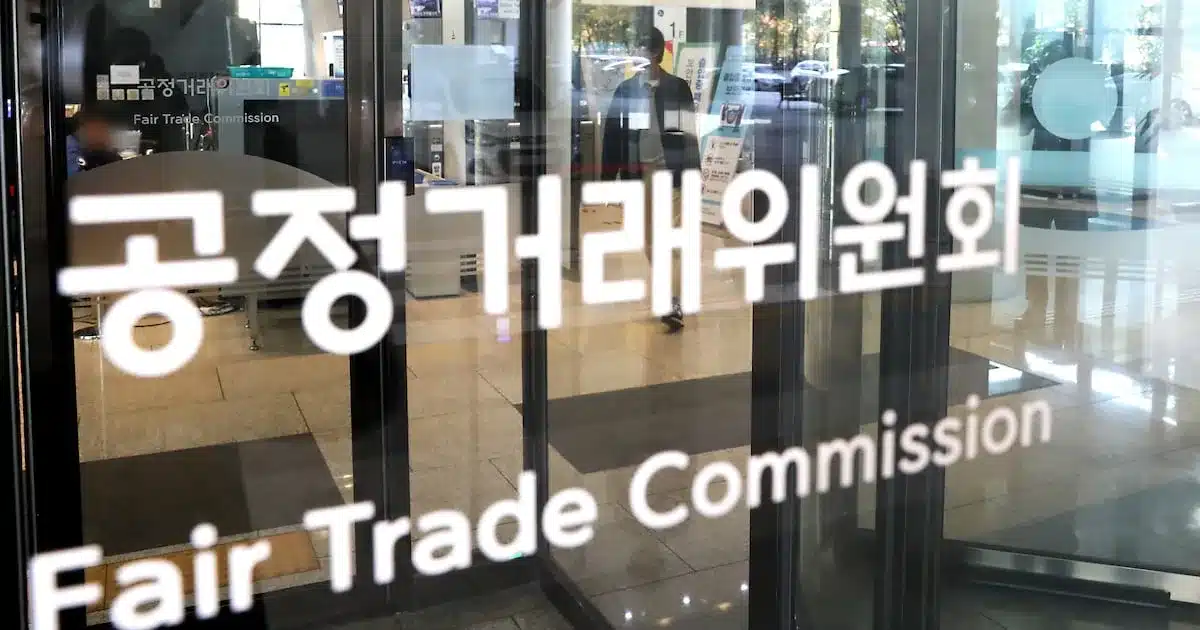
The South Korean food industry has been rocked by a series of major cartel investigations this year, involving key raw materials such as sugar, flour, and starch. These investigations have resulted in total fines exceeding 1.8 trillion won (approximately $1.3 billion USD). Amidst these significant penalties, the effectiveness and complexity of the leniency program, a crucial tool for uncovering cartels, are drawing increased attention. The National Assembly has initiated a review of the program’s implementation.
Parliamentary Review of Leniency Program Underway
Sources within the industry indicate that the National Assembly’s Agriculture, Food, Rural Affairs, Oceans and Fisheries Committee (AFROF Committee) is actively examining the details of leniency program applications in food industry cartel cases. A specific legislative office within the AFROF Committee has reportedly requested information from the Fair Trade Commission (FTC) regarding leniency submissions and the current status of leniency grants.
Under the Monopoly Regulation and Fair Trade Act, the FTC is bound by strict confidentiality obligations regarding whistleblowers. Consequently, legislative offices cannot directly receive such sensitive data. The FTC typically provides only anonymized information, often designated by letters such as A, B, or C. The fact that a legislative office has sought this information underscores the growing concern within the National Assembly regarding cartel activities in the food sector, according to industry observers.
Record Fines Imposed on Food Industry Cartels
This year’s major cartel probes in the food industry began with sugar, followed by flour and starch. The FTC imposed approximately 408.3 billion won in fines on CJ CheilJedang, Samyang Corp., and 대한제당 for price-fixing in the sugar market in February. In May, seven flour producers were fined 671 billion won for cartel behavior. Subsequently, in July, the FTC levied fines of 747.6 billion won against four starch and processed starch manufacturers, including Daesang, Sajo CPK, Samyang Corp., and CJ CheilJedang, for colluding on prices.
The combined fines from these three major cases alone surpass 1.8 trillion won. During these investigations, the leniency program played a pivotal role, significantly influencing the legal and financial risks for individual companies.
How the Leniency Program Works
The existing leniency program offers substantial benefits to companies that report cartel activities. The first company to report (first applicant) typically receives full immunity from fines and criminal prosecution. The second applicant usually benefits from a 50% reduction in fines and immunity from prosecution. Even after an investigation begins, cooperation levels continue to influence leniency grants, meaning a company’s position in the leniency application process is directly tied to its potential penalties.
For instance, in the starch cartel case, Samyang Corp.
