

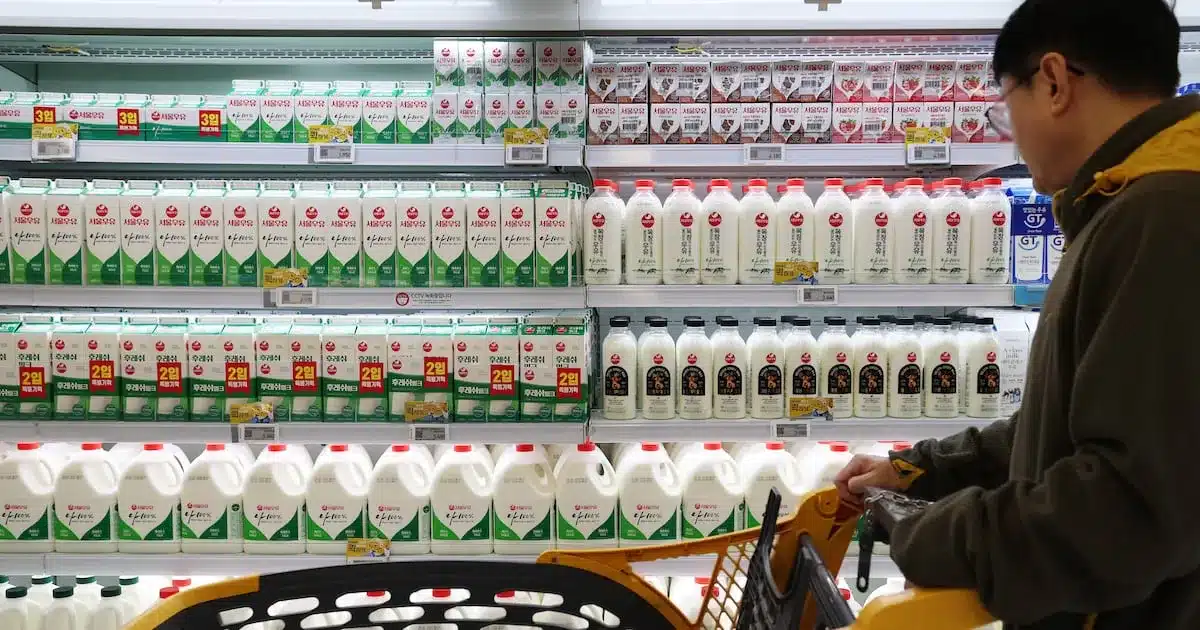
Consumer Prices Rise Sharply, Burdening Low-Income Families
Recent economic data indicates a significant increase in the cost of living, with the consumer price index (CPI) exceeding a 3% annual growth rate. This surge is placing a considerable financial strain on households, particularly those with lower incomes who dedicate a larger portion of their budget to essential goods.
Key Inflation Figures Revealed
In May, the year-on-year inflation rate reached 3.3%, marking the highest level since April 2024 when it stood at 3.6%. This uptick was primarily driven by escalating prices for petroleum products and a rise in service costs, notably related to travel such as domestic and international airfares.
Analysis suggests that the inflation rate is likely to remain at a similar level in June. Lee Guk-jang, a senior researcher at the Bank of Korea, commented on the situation, stating, “The inflation for consumer goods in May saw an expanded increase in oil prices, and service prices also rose, centered around travel-related services like domestic and international airfares.” He further projected, “The inflation rate for June is expected to show a similar level to the previous month.”
Outlook and Contributing Factors
While the geopolitical situation in the Middle East and its impact on oil price fluctuations introduce a degree of uncertainty, current projections anticipate the inflation rate remaining in the 3% range for the time being. This is due to the gradual spread of oil price shocks to other sectors.
Specifically, the cost of petroleum products surged by 24.2% compared to the same period last year. This represents the largest increase observed in nearly four years, dating back to the conflict between Russia and Ukraine in 2022.
The overall consumer price increase in May, compared to the previous year, was 3.1%, reaching its highest point in 26 months since April 2024. This sustained period of elevated inflation underscores the growing pressure on household budgets across the nation.
