

Global Food Supply Chains Face Disruptions Amidst Escalating Conflicts
The ongoing geopolitical conflicts are creating significant challenges in global food supply chains, impacting the production and distribution of essential agricultural products. The disruption of vital inputs like fertilizer and energy is directly linked to the ongoing tensions.
Wheat Production Declines in Australia
In Australia, the winter wheat harvest is projected to reach 26.7 million tons, a notable decrease of 26% compared to the previous year. This reduction is primarily attributed to a significant contraction in planted acreage. The winter wheat cultivation area fell to 10.9 million hectares, marking the lowest level since the 2019/2020 season. Australia is a major global wheat exporter, supplying key markets including China, Southeast Asia, and Middle Eastern nations. Approximately 30% of South Korea’s wheat imports also originate from Australia. Consequently, the decline in Australian wheat production is expected to reverberate across Asian markets, affecting overall supply.
Fertilizer Shortages Exacerbate Farmer Burdens
The Australian Department of Agriculture has reported that the prolonged conflict between the United States and Iran has led to significant disruptions in global fertilizer and energy supplies. This, coupled with widespread drought conditions in various regions, is increasing the burden on farmers and contributing to reduced wheat production, according to recent analyses.
Japan Faces Potential Banana Shortage
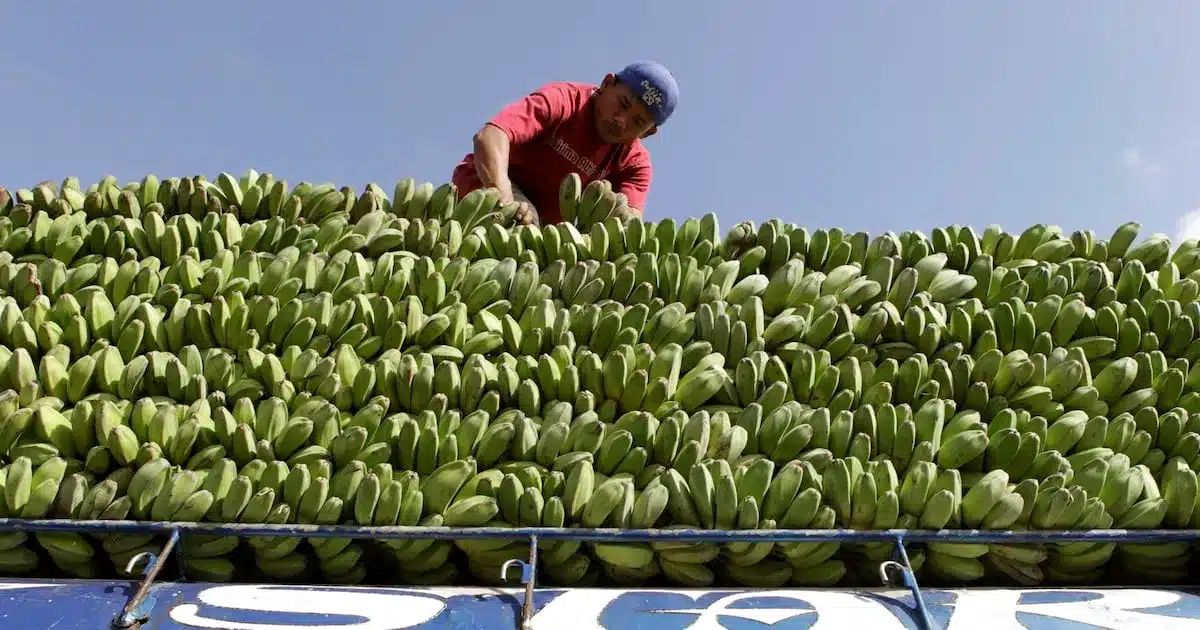
Japan is experiencing growing concerns over a potential banana shortage. Reports indicate that the country is increasingly at risk of facing a scarcity of this popular fruit, directly linked to the latest supply disruptions stemming from the Middle East conflict. The vast majority of bananas consumed in Japan, nearly 99.9%, are imported. Typically, Japan imports bananas in an unripe state to prevent the spread of pests. These unripe fruits are then ripened domestically using ethylene gas. However, the conflict’s impact on naphtha supplies, a key component in ethylene production, is now affecting this ripening process.
Recent trade data from Japan’s Ministry of Finance revealed a 47% year-on-year decrease in naphtha imports for April, totaling 1.14 million kiloliters. According to the Secretary-General of the Japan Banana Importers Association, this represents the “worst naphtha shortage in 50 years.” While current banana supplies to stores remain normal and some importers have secured enough ethylene for approximately two to three months, rising costs for petroleum-derived products like fertilizers, packaging materials, and transportation are placing considerable pressure on retailers. This could ultimately lead to price increases for consumers.
Broader Impact on Imported Fruits
The supply chain disruptions may also affect other imported fruits that have a high import ratio and require post-harvest ripening processes, such as avocados and kiwis. These fruits reportedly require even larger quantities of ethylene gas than bananas. Bloomberg suggests that Japan’s vulnerability stems from its lack of international pipelines to compensate for domestic petroleum resource shortages and maritime transport disruptions.
