

Iran’s Foreign Minister, Hossein Amirabdollahian, has stated that his country will not consider any temporary truce unless its demands regarding the Strait of Hormuz are met. This firm stance was articulated during a press conference following his participation in the Shanghai Cooperation Organisation (SCO) Foreign Ministers’ meeting held in Bishkek, Kyrgyzstan.
Iran’s Conditions for Hormuz Strait Truce
Amirabdollahian’s remarks suggest that Iran expects the United States to acknowledge its control and rights over the strategic Strait of Hormuz. He indicated that while Iran has received various proposals through intermediaries, the current escalation is a direct result of the U.S. approach. The top diplomat emphasized Iran’s resolve, stating, “Iran will not yield to oppression or threats and coercion.” He further elaborated that as long as the legitimate goals and demands of the Iranian people are not realized, the continuation of the current situation is inevitable.
The Strait of Hormuz, a vital waterway connecting the Persian Gulf to the open ocean, is a critical chokepoint for global oil supplies. Tensions in the region have been escalating, with both Iran and the United States engaging in actions that have heightened concerns about potential conflict. The U.S. has targeted Iranian oil shipments, while Iran has reportedly used drones to attack military facilities in countries like Kuwait.
Diplomatic Engagements at the SCO Meeting
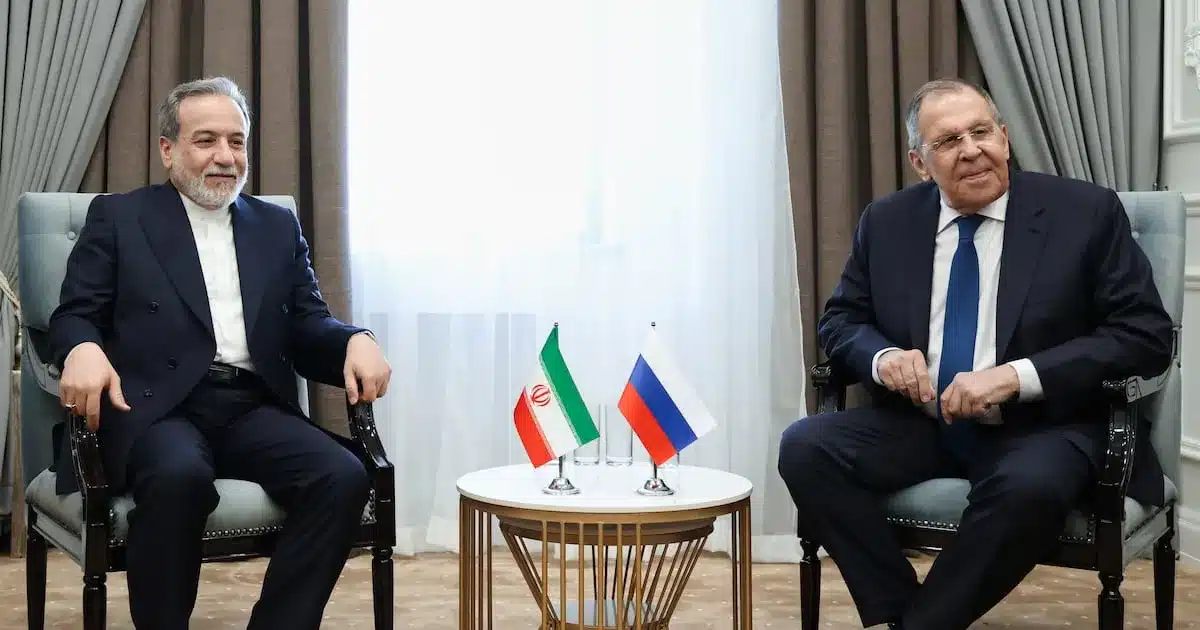
During his time at the SCO meeting, Amirabdollahian reported engaging in close consultations with Russia and China. He also conveyed that the foreign ministers of the SCO member states expressed a high regard for Iran’s response to actions by the United States and Israel. The Shanghai Cooperation Organisation, established in 2001 and spearheaded by China and Russia, is a political, economic, and security alliance. It is widely seen as a counterweight to Western-led security alliances such as NATO.
Background on SCO and Regional Tensions
The SCO aims to foster cooperation among its member states on issues ranging from counter-terrorism to economic development. Its growing influence reflects a shifting geopolitical landscape, with nations seeking alternative frameworks for international relations. The inclusion of Iran as a full member in recent years has further amplified its regional and global standing.
The ongoing standoff between Iran and the United States has been a focal point of international concern. The U.S. has implemented sanctions and taken military actions aimed at curbing Iran’s nuclear program and its regional influence. Iran, in turn, has responded by increasing its military posturing and engaging in asymmetric warfare tactics. The Strait of Hormuz remains a particularly sensitive flashpoint, given its immense strategic and economic importance.
Iran’s Stance on International Pressure
Amirabdollahian’s statements underscore Iran’s position that it will not be pressured into compromising its national interests or sovereignty. The country has consistently maintained that its actions are defensive and aimed at protecting its rights and territorial integrity. The emphasis on the “legitimate goals and demands of the Iranian people” suggests a focus on economic relief from sanctions and recognition of its regional role.
The diplomatic exchanges at the SCO meeting highlight the complex web of alliances and rivalries shaping the Middle East and beyond. While Iran seeks to leverage its relationships with countries like Russia and China to counter U.S. influence, the U.S. and its allies continue to pursue policies aimed at isolating Iran and curbing its perceived destabilizing activities. The situation in the Strait of Hormuz remains a critical indicator of the broader geopolitical tensions at play.
Future Outlook and Potential Escalation
The path forward remains uncertain. Iran’s insistence on its demands being met before considering any truce suggests a prolonged period of tension. The international community is closely monitoring the situation, with many expressing concerns about the potential for miscalculation and escalation. The role of multilateral forums like the SCO will be crucial in facilitating dialogue and de-escalation efforts, though the fundamental disagreements between Iran and the U.S. present a significant challenge.
Ultimately, the resolution of the Hormuz Strait dispute hinges on diplomatic breakthroughs and a willingness from all parties to engage in constructive negotiations. Until then, Iran’s firm stance indicates that the status quo, characterized by heightened tensions and strategic posturing, is likely to persist.
