

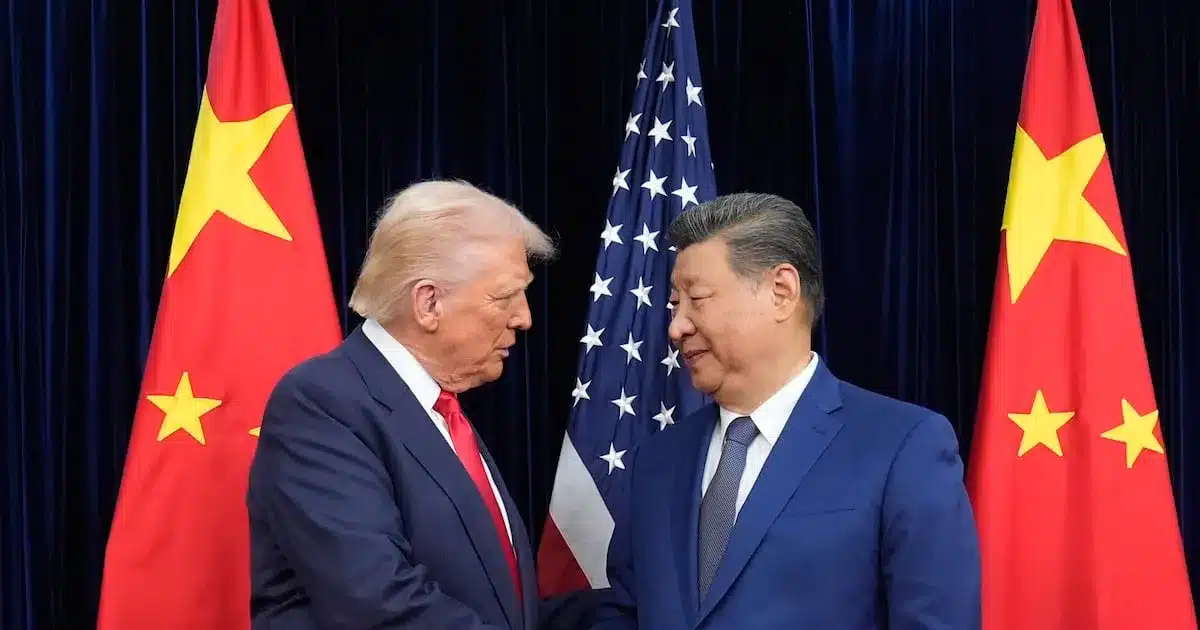
Chinese President Xi Jinping departed Beijing on November 23rd for a state visit to Washington D.C., marking his first trip to the U.S. capital in over a decade. The visit, at the invitation of U.S. President Donald Trump, is scheduled to include summit talks between the two leaders. Xi’s arrival in Washington is anticipated on November 24th, with the visit extending for three days and two nights before his departure on November 25th.
A Landmark Diplomatic Engagement
This state visit by President Xi is particularly significant as it follows his participation in the Asia-Pacific Economic Cooperation (APEC) summit in San Francisco just three years prior, in 2023. However, his current trip to Washington D.C. represents his first formal state visit to the U.S. capital since September 2015, during the administration of then-President Barack Obama. This extended interval underscores the importance and rarity of this diplomatic engagement.
The upcoming summit with President Trump comes approximately four months after Trump’s own state visit to China in May. The meeting is expected to address a range of critical bilateral issues that have been central to the U.S.-China relationship.
Key Agenda Items for the Summit
The discussions between President Xi and President Trump are anticipated to focus on several core areas of mutual concern and potential friction. These include:
- Trade Disputes: Ongoing trade imbalances and tariffs between the two economic powerhouses are likely to be a primary topic. Both nations will likely seek to find common ground or at least clarify their positions on import/export policies and trade practices.
- Artificial Intelligence (AI) Cooperation: The rapidly evolving field of artificial intelligence presents both opportunities and challenges. The leaders may explore avenues for collaboration in AI research and development, while also addressing potential risks and ethical considerations.
- North Korea Issues: The situation on the Korean Peninsula, particularly concerning North Korea’s nuclear program and regional stability, is a persistent agenda item for U.S.-China relations. Discussions are expected to cover strategies for denuclearization and maintaining peace.
Beyond these core issues, the leaders are also expected to touch upon broader geopolitical matters, global economic trends, and the future of international relations. The summit provides a crucial platform for direct dialogue, aiming to foster greater understanding and potentially de-escalate tensions between the world’s two largest economies.
Historical Context of U.S.-China State Visits
State visits between the U.S. and China are infrequent and carry substantial diplomatic weight. They are typically reserved for moments when leaders wish to signal a significant commitment to bilateral relations or address major international challenges. The 11-year gap since Xi’s last state visit to Washington highlights the complex and often fluctuating nature of the U.S.-China relationship.
The period between 2015 and the present has witnessed significant shifts in the global landscape, including economic restructuring, technological advancements, and evolving geopolitical alliances. Both leaders will likely use this summit to outline their respective visions for the future and to establish a framework for managing their complex interdependence.
The success of the summit will be measured not only by concrete agreements reached but also by the ability of both sides to communicate openly and manage disagreements constructively. The world will be watching closely as President Xi and President Trump engage in these high-stakes discussions, which could shape the trajectory of international affairs for years to come.
Implications for Global Stability
The relationship between the United States and China has profound implications for global economic stability, security, and environmental efforts. Direct engagement at the presidential level is considered vital for navigating potential conflicts and identifying areas for cooperation on transnational issues such as climate change, pandemics, and economic governance.
This state visit offers an opportunity to reset or reinforce the tone of the bilateral relationship. While deep-seated disagreements persist, the willingness to engage in high-level dialogue suggests a mutual recognition of the need to manage the relationship responsibly. The outcomes of the summit could influence trade flows, technological development, and diplomatic alignments worldwide.
Looking Ahead
As President Xi Jinping concludes his visit, the focus will shift to the implementation of any agreements reached and the ongoing management of the U.S.-China relationship. The summit serves as a critical juncture, providing insights into the future direction of one of the world’s most important bilateral partnerships. The commitment to continued dialogue, despite inherent challenges, remains a key element in fostering a more stable and predictable international order.
