

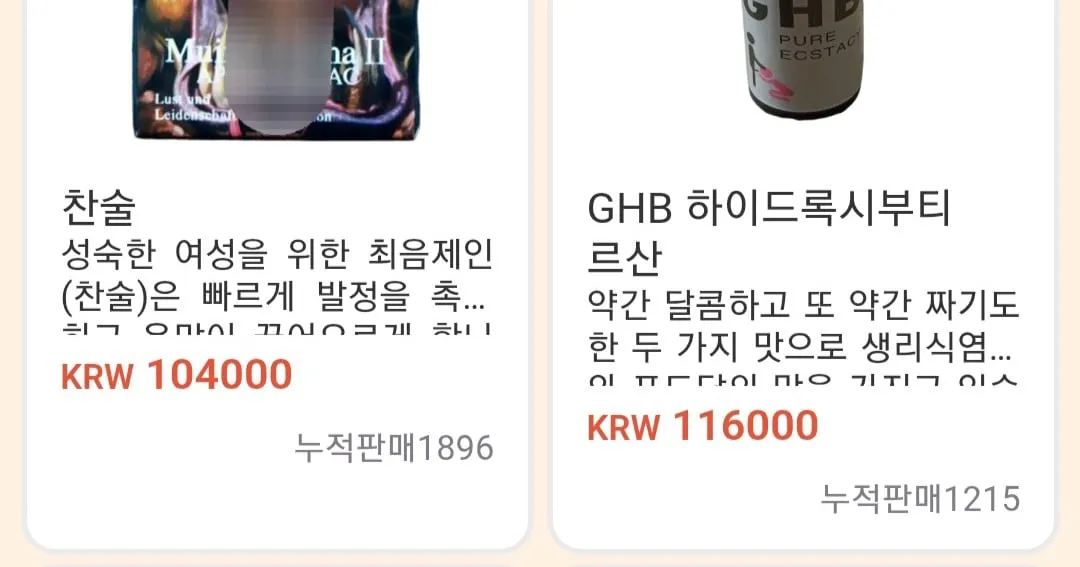
Online Marketplaces Facilitate Sale of Dangerous Drug
Authorities are confronting a growing problem of illicit substances, particularly “blue meth” (GHB), being openly sold and advertised on the internet. Investigations reveal that these dangerous drugs are not only readily available to domestic buyers but are also being exported internationally, including to the United States.
Easy Access and Production Fueling the Problem
The ease with which GHB and its precursor chemicals can be obtained domestically, coupled with relatively simple manufacturing methods, is a primary driver behind the surge in its distribution. Reports indicate a significant increase in online sales and advertisements for such substances, with figures showing a nearly five-fold rise between 2023 and 2024.
“Our business exclusively sources domestic GHB,” a seller stated via Telegram when questioned about availability. “I personally manufacture it, so you can be assured of its quality.” This direct claim highlights the decentralized and often clandestine nature of these operations.
GHB: A Potent and Dangerous Substance
GHB is known for its disorienting and sedative effects. Overconsumption can lead to severe consequences, including death. The drug has a particularly disturbing history of being used in sexual assaults, where it is surreptitiously added to drinks to incapacitate victims.
Possession or sale of GHB carries significant legal penalties, including up to five years in prison or fines of up to 50 million won. Despite these repercussions, the substance remains accessible online.
Precursor Chemicals and Regulatory Challenges
The key precursor chemical for GHB, Gamma-Butyrolactone (GBL), is widely used in legitimate industries. It serves as a component in nail polish removers and is utilized in the manufacturing of various therapeutic agents, including antiviral and anti-inflammatory drugs.
Officials from the Ministry of Food and Drug Safety acknowledge the challenge: “Due to its diverse applications, a complete ban on its distribution could have more significant negative consequences. Therefore, we cannot implement a total prohibition on its circulation.”
Manufacturing and Distribution Methods
Instructions for synthesizing GHB from GBL are easily found on platforms like YouTube and various blogs. Detailed methods, such as “dissolving GBL into water with sodium bicarbonate while heating, then adding distilled water and removing solids,” are openly shared.
Sales are frequently disguised as legitimate e-commerce. One shopping app listed on the Google Play Store, appearing to sell adult products, was found to be offering GHB under a “new arrivals” category. Marketing materials explicitly mentioned its potential for sexual assault, citing effects like “disorientation, unconsciousness, and memory loss.” Following initial inquiries, Google removed the app from its platform.
International Export and Law Enforcement Response
The issue has escalated to international concern, with reports of GBL being illegally exported. Last September, a cosmetics export company was apprehended by Korean police and Interpol for attempting to ship 8 tons of GBL abroad under the guise of nail polish remover ingredients. This quantity is estimated to be enough to produce GHB for approximately 8 million people, with evidence suggesting it was intended for distribution throughout the United States, a country with strict regulations on GHB and GBL under its date rape drug laws.
Government Vows Stricter Enforcement
In response to the escalating problem, the government is committed to strengthening enforcement measures. A police official stated, “GHB is a drug with a high potential for use in crimes against others, such as sexual offenses. We will enhance crackdowns and thoroughly investigate distribution channels.”
