

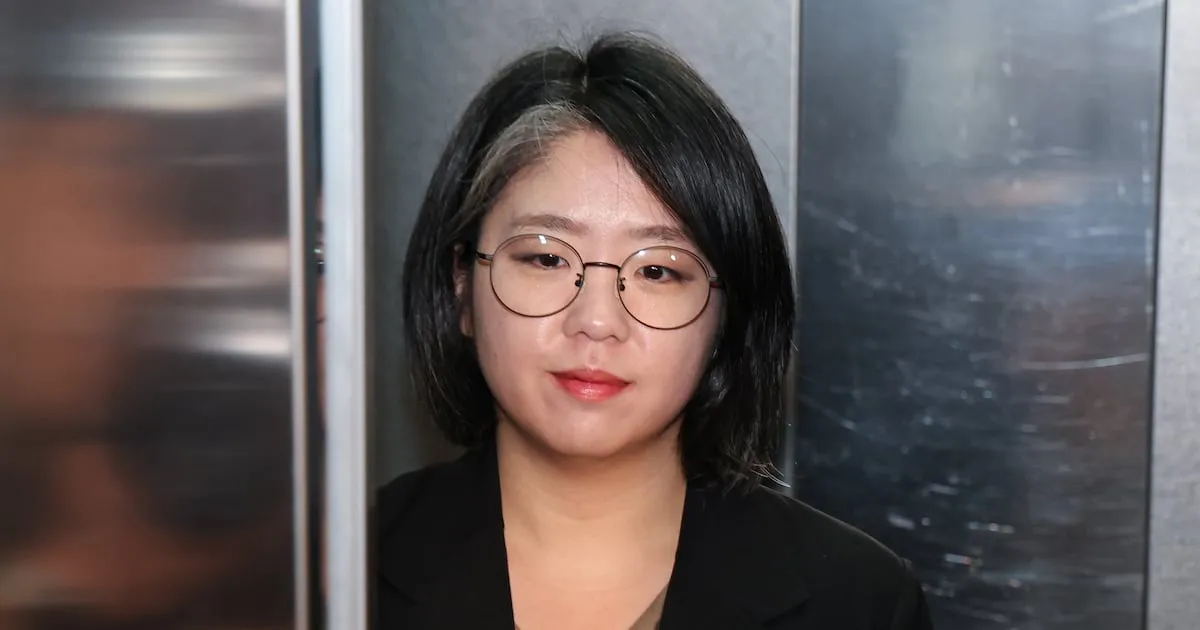
Yong Hye-in, a nominee for the Minister of Gender Equality and Family, will not report to her preparatory office on October 10th. This marks the first time she has not visited the office since its establishment following her nomination.
The preparatory team for the Gender Equality and Family Minister nominee announced that the nominee is not scheduled to visit the office, which is located at the Korea Youth Work Agency in Seodaemun-gu, Seoul. Instead, Yong is expected to review materials related to her confirmation hearing from her residence. While no specific reason was provided for her absence from the office, the decision signals a shift in her approach to preparing for the upcoming hearing.
Background of Yong Hye-in’s Nomination
President Lee Jae-myung appointed Yong Hye-in as the nominee for the Minister of Gender Equality and Family on September 30th. Since her nomination, Yong has been commuting to the preparatory office at the Korea Youth Work Agency starting October 2nd to prepare for her confirmation hearing.
Controversies and Public Scrutiny
Yong Hye-in’s nomination has been met with significant public attention and scrutiny, accompanied by several controversies. These include allegations regarding her holding a parliamentary seat concurrently with other positions, questions surrounding the legality of her receiving basic income, and suspicions about potential organizational misconduct.
During her daily commutes to the office, Yong frequently faced questions from reporters regarding these allegations. However, she largely refrained from providing direct answers, consistently stating that she would address all questions during the official confirmation hearing. This approach, while maintaining her right to present her case formally, has also fueled public curiosity and debate.
The “Dual Office Holding” Controversy
One of the primary points of contention has been the issue of Yong Hye-in potentially holding multiple positions simultaneously, particularly concerning her parliamentary seat. Critics have raised concerns about the legality and ethical implications of such arrangements, questioning whether it aligns with principles of public service and accountability.
Basic Income and Welfare Concerns
Further scrutiny has been directed towards Yong’s eligibility and receipt of basic income. Questions have arisen regarding whether her financial situation and other potential income sources met the criteria for receiving such benefits. This has sparked a broader discussion about the fairness and transparency of welfare distribution systems.
Allegations of Organizational Misconduct
Beyond personal qualifications and financial matters, Yong has also faced allegations related to organizational conduct. These claims, though less detailed in public discourse, have added another layer to the challenges she faces in the confirmation process. The nature of these allegations suggests potential issues within the organizations she has been affiliated with.
Preparing for the Confirmation Hearing
The confirmation hearing is a critical stage where nominees are expected to thoroughly explain their qualifications, policy proposals, and responses to any controversies. Yong Hye-in’s decision to prepare from home, rather than her designated office, might be a strategic move to control the narrative or focus on in-depth review away from the immediate pressure of media attention.
Her consistent response of deferring detailed explanations to the hearing suggests a plan to consolidate her responses and present a unified front. This approach aims to ensure that her perspectives and justifications are clearly articulated in the formal setting, where she can address all points raised by the confirmation committee and the public.
The Role of the Ministry of Gender Equality and Family
The Ministry of Gender Equality and Family plays a crucial role in developing and implementing policies related to gender equality, supporting families, and protecting the rights of women and children. The minister’s leadership is vital in navigating complex social issues and advancing the government’s agenda in these areas.
Given the sensitive nature of the ministry’s work and the ongoing societal discussions surrounding gender and family issues, the confirmation of its head is of significant public interest. Yong Hye-in’s ability to successfully navigate the confirmation process and address the concerns raised will be key to her effectiveness in the role.
Conclusion
Yong Hye-in’s decision to forgo her preparatory office visit on October 10th marks a notable moment in the lead-up to her confirmation hearing. As she prepares to face rigorous questioning, the public and political circles will be closely watching how she addresses the controversies and presents her vision for the Ministry of Gender Equality and Family. Her strategy of reviewing materials at home and deferring detailed statements to the hearing suggests a deliberate approach to managing the final stages of her confirmation process.
