

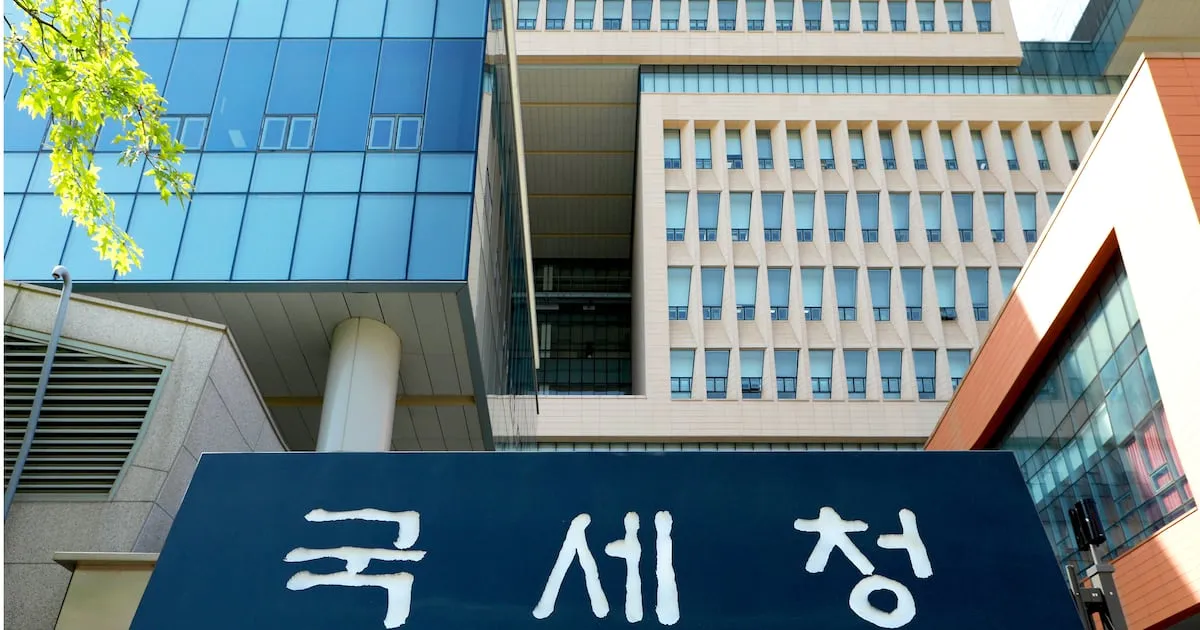
The National Tax Service (NTS) has announced a two-month extension for corporate tax payments for approximately 1,200 small and medium-sized enterprises (SMEs) in Geoje and Tongyeong that suffered damages from Typhoon Hinnamnor. This administrative relief measure aims to support businesses struggling with the aftermath of the severe storm.
Automatic Extension for Typhoon-Affected Businesses
Under normal circumstances, these businesses were required to complete their interim corporate tax pre-payments by the end of August. However, following the NTS decision, the payment deadline has been automatically extended to November 2, 2022, without the need for individual applications. This proactive approach by the tax authority is designed to alleviate immediate financial burdens on companies grappling with storm-related losses.
The NTS plans to proactively identify and inform eligible businesses that can benefit from the tax reduction for disaster-related asset losses. This specific provision allows for a reduction in corporate tax for businesses that have lost 20% or more of their business assets due to natural disasters such as heavy rainfall.
Understanding Disaster Loss Tax Reductions
The disaster loss tax reduction is a crucial support mechanism for businesses impacted by unforeseen natural events. To qualify, a business must demonstrate a significant loss of assets used for business operations. The threshold for this reduction is set at 20% or more of the total business assets being lost or damaged. This measure acknowledges the devastating impact that natural disasters can have on business continuity and financial stability.
By offering this tax relief, the government aims to provide a financial cushion, enabling affected businesses to focus on recovery and reconstruction efforts rather than immediate tax obligations. The NTS’s decision to automatically extend the deadline simplifies the process for these businesses, removing the administrative hurdle of applying for an extension.
Broader Tax Support Measures
A spokesperson for the NTS stated, “We will provide the maximum possible tax support within the scope of the law to taxpayers facing difficulties, not only for SMEs in the southern regions affected by the typhoon but also for those experiencing hardship due to the disaster.” This commitment extends beyond the automatic extension, indicating a comprehensive approach to disaster relief.
Beyond the extended payment deadline, the NTS is prepared to offer other forms of tax leniency as permitted by law. These may include:
- Extension of Reporting Deadlines: Similar to the payment extension, deadlines for filing tax reports can also be postponed.
- Installment Payment Options: For businesses that need more time to pay, arrangements for installment payments might be available.
- Suspension of Seizure of Assets: In cases where tax debts are owed, the NTS may temporarily halt the seizure of business assets to prevent further disruption.
- Grace Periods for Payment: Additional grace periods beyond the initial extension could be granted based on individual circumstances.
The NTS emphasized its intention to implement these measures broadly, ensuring that all taxpayers affected by Typhoon Hinnamnor receive appropriate support. The focus is on providing timely and effective relief to help businesses recover from the significant damage caused by the typhoon.
Geographic Impact and Business Support
The typhoon’s impact was particularly severe in coastal regions like Geoje and Tongyeong, which are home to numerous SMEs. These areas often rely heavily on maritime industries and related businesses, which can be exceptionally vulnerable to storm damage. The NTS’s targeted support for these specific regions underscores the localized nature of the disaster and the need for tailored assistance.
The decision to extend the corporate tax deadline is a critical step in mitigating the immediate financial shockwaves of the typhoon. By allowing businesses more time to manage their finances, the NTS is facilitating a smoother recovery process. This measure is expected to help prevent bankruptcies and job losses that could otherwise result from the dual pressures of storm damage and pressing tax liabilities.
Looking Ahead: Recovery and Resilience
The NTS’s proactive stance reflects a broader governmental effort to support disaster-stricken communities and businesses. While the tax extension provides immediate relief, the long-term recovery will depend on a combination of government aid, insurance payouts, and the resilience of the businesses themselves.
The NTS encourages business owners affected by Typhoon Hinnamnor to reach out to their local tax offices to discuss their specific situations and explore all available support options. The authority reiterated its commitment to assisting taxpayers through this challenging period, ensuring that regulatory requirements do not impede the vital process of economic recovery in the affected regions.
This initiative is part of a larger framework of disaster relief designed to bolster economic stability and support the rebuilding efforts in areas devastated by natural calamities. The NTS aims to ensure that businesses can navigate the aftermath of the typhoon with reduced financial stress, thereby contributing to a quicker return to normalcy.
