

South Korea has finalized a comprehensive mid-to-long-term resource security roadmap aimed at significantly bolstering its strategic reserves of crude oil and diversifying its sources of critical minerals. The plan, approved by the government, seeks to increase crude oil storage capacity by 20 million barrels by 2030 and reduce reliance on specific regions for oil and critical minerals, such as those in the Middle East, to below 50% by 2035.
Resource Security Framework Strengthened
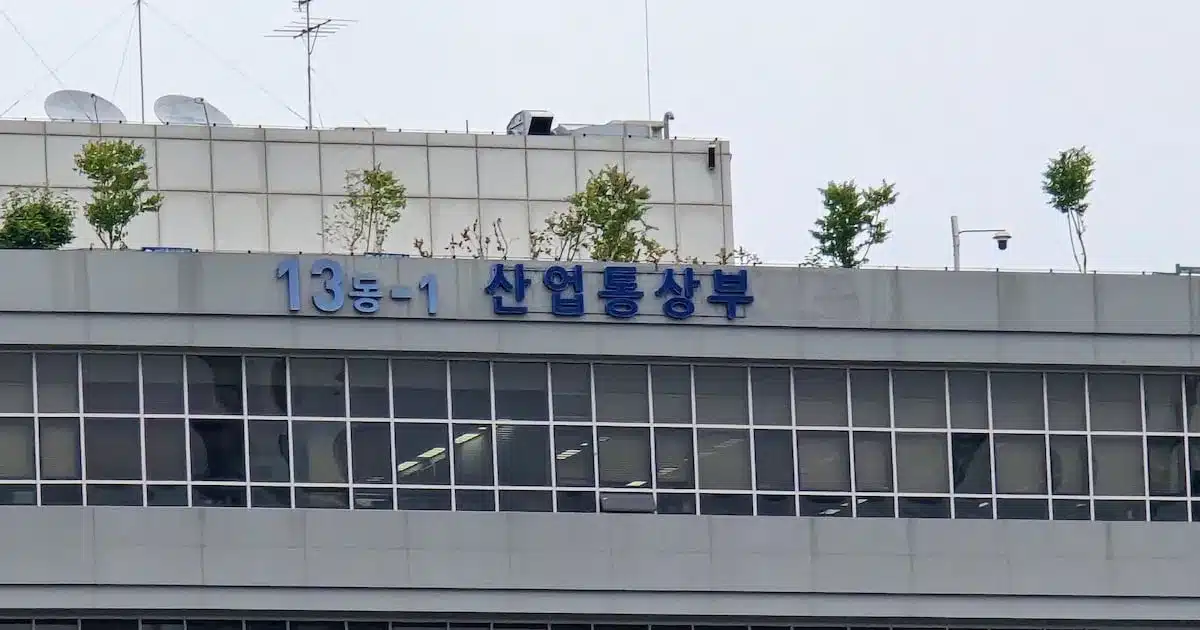
The Ministry of Trade, Industry and Energy announced the adoption of four key proposals during the 6th Resource Security Council meeting, chaired by Minister Ahn Duk-geun. These include the first comprehensive resource security basic plan, revisions to the 5th oil reserve plan, designation plans for critical minerals, and the first critical mineral reserve plan. This marks the first government-wide, long-term resource security strategy since the enforcement of the National Resource Security Special Act in February of the previous year. The basic plan is set to guide national policy for a decade, from 2026 to 2035.
The government identified vulnerabilities in supply chains exposed during the recent conflict in the Middle East. Consequently, the core objective of the revised strategy is to establish a robust resource security framework that remains resilient even during crises. This proactive approach aims to ensure national economic stability and the continuity of industrial operations.
Expanding Crude Oil Reserves
Under the updated oil reserve plan, South Korea aims to expand its crude oil storage facilities by 20 million barrels by 2030. This expansion is designed to create a system capable of storing 60 days’ worth of the daily crude oil demand, which currently stands at 2.8 million barrels. This initiative will increase the government’s total oil reserves to 7.45 million barrels.
Furthermore, the plan includes provisions for acquiring condensates, which are lighter crude oil components. This move is intended to support the petrochemical industry and strengthen international cooperation in oil stockpiling with oil-producing nations. The strategy emphasizes building a stable energy supply chain independent of geopolitical fluctuations.
Diversifying Critical Mineral Sources and Reserves
The scope of critical minerals designated for strategic importance will be significantly broadened. The number of designated critical minerals will increase from the current 38 to 51. The 13 newly added minerals include key components for semiconductors and batteries, such as indium, germanium, and 10 types of rare earth elements crucial for high-performance magnets.
The scope of critical minerals subject to reserve policies will also expand from 24 to 29 types. To mitigate supply chain risks, the target duration for reserves of critical minerals will be raised from the current 180 days to a maximum of 365 days.
A new concept of ‘National Total Inventory’ will be introduced, encompassing public reserves, privately held stockpiles, and recycled materials. This integrated approach aims to provide a more comprehensive picture of the nation’s resource availability.
New Critical Mineral Reserve Facility Planned
In a significant infrastructure development, the government has decided to construct a dedicated critical mineral reserve facility in Saemangeum, Jeonbuk Province. This facility is slated for completion by 2028 and will serve as a central hub for storing and managing the nation’s strategic mineral stockpiles.
Government Commitment to Resource Security
Minister Ahn Duk-geun stated, “Experiencing the conflict in the Middle East, we have recognized that resource security is a matter of national survival, essential for protecting the lives of our citizens and our industries.” He emphasized the government’s commitment to persistently pursuing resource security objectives by consolidating the capabilities of relevant ministries, public institutions, and private companies.
The roadmap reflects a strategic shift towards greater self-reliance and resilience in resource management. By diversifying supply sources, expanding reserves, and enhancing the strategic designation of critical materials, South Korea aims to safeguard its economy against future global supply chain disruptions and geopolitical uncertainties.
