

South Korea has officially initiated a crucial “one-point” social dialogue aimed at discussing labor special measures within its advanced industrial “mega-cluster” zones, particularly focusing on the Honam (Jeolla) peninsula. This significant step marks the beginning of formal discussions among government officials, labor unions, and employer associations to address the unique labor challenges and opportunities presented by these burgeoning high-tech industrial hubs.
Initiation of “One-Point” Social Dialogue
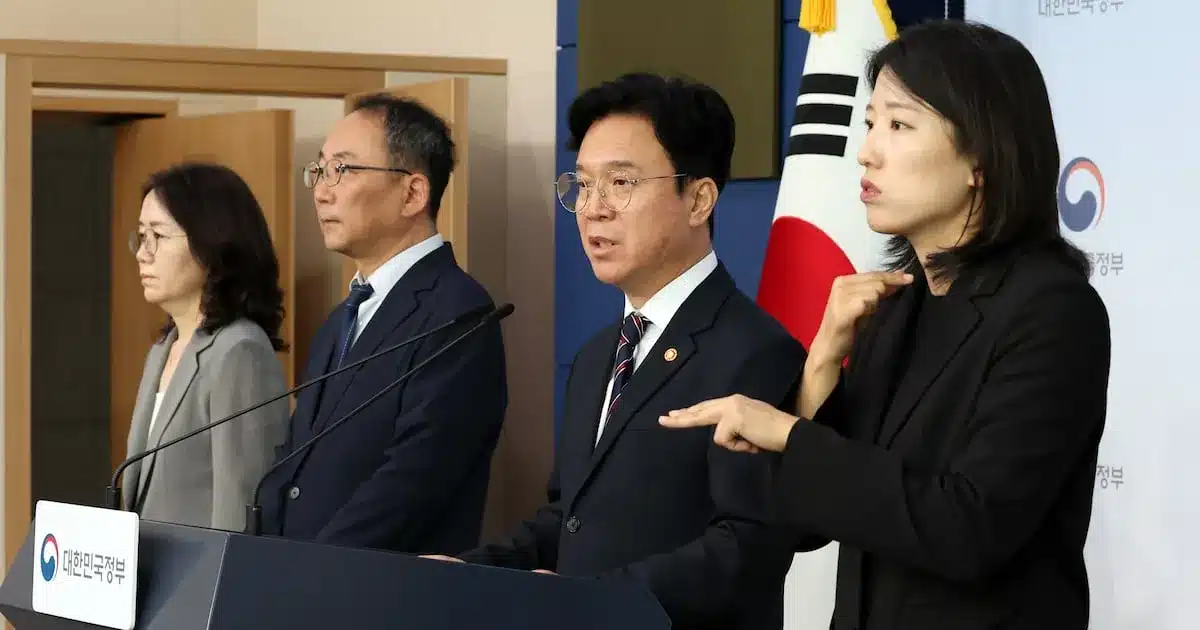
The inaugural working-level meeting for the “One-Point” Social Dialogue related to the Mega-Cluster Special Act convened on the afternoon of the 22nd. Participants included key figures from relevant ministries, major labor organizations such as the Korean Confederation of Trade Unions (KCTU) and the Federation of Korean Trade Unions (FKTU), and prominent business representatives from the Korea Employers Federation and the Korea Chamber of Commerce and Industry. This meeting, held just two weeks after Labor Minister Kim Young-hoon officially proposed the social dialogue on the 15th, signifies a proactive approach to tackling complex labor issues.
The dialogue’s primary objective is to foster consensus and develop tailored labor policies that support the growth of these advanced industrial complexes. These mega-clusters are envisioned as critical engines for national economic development, attracting cutting-edge industries and significant investment. However, their unique operational environments necessitate a specialized approach to labor relations, workforce development, and regulatory frameworks.
Structure and Future Meetings
The initial working-level session, which lasted approximately two hours, focused on establishing the operational framework and schedule for the broader social dialogue. Key decisions included the frequency of future meetings, with participants agreeing to convene working-level sessions once or twice a week. This regular engagement is intended to facilitate in-depth discussions and the swift development of concrete policy proposals.
Following the initial working-level discussions, subsequent, higher-level meetings will be held to deliberate on specific policy details. The second working-level session is slated to take place on the 2nd of the following month, underscoring the urgency and commitment to moving forward with these critical discussions. The structured approach, moving from working-level talks to broader consultations, aims to ensure that all stakeholder perspectives are considered and integrated into the final policy outcomes.
Context: The Mega-Cluster Initiative
The establishment of these “mega-clusters” is a cornerstone of South Korea’s strategy to bolster its competitiveness in advanced industries. These zones are designed to concentrate resources, talent, and infrastructure to foster innovation and growth in sectors such as semiconductors, biotechnology, and future mobility. The Honam peninsula, in particular, is being developed as a significant hub, leveraging its geographical advantages and existing industrial base.
The success of these mega-clusters hinges not only on technological advancement and investment but also on a stable and productive labor environment. Special labor measures are being considered to address potential challenges, including the need for specialized skills, the attraction and retention of a highly qualified workforce, and the adaptation of existing labor laws to the unique demands of these advanced industrial settings. The “one-point” social dialogue is the designated platform for navigating these complexities.
Key Stakeholders and Their Roles
The dialogue involves a broad spectrum of stakeholders, each bringing distinct perspectives and priorities:
- Government Ministries: Responsible for policy formulation, regulatory oversight, and ensuring the national economic objectives are met. They aim to create an environment conducive to both industrial growth and worker welfare.
- Labor Unions (KCTU, FKTU): Representing the interests of workers, they focus on fair wages, safe working conditions, reasonable working hours, and the protection of labor rights within the new industrial frameworks.
- Employer Associations (Korea Employers Federation, Korea Chamber of Commerce and Industry): Advocating for businesses, they emphasize the need for flexible labor regulations, productivity enhancement, and the efficient allocation of human resources to support competitiveness and investment.
The collaborative nature of this dialogue is crucial. By bringing these diverse groups together, the government hopes to build a consensus that balances the needs of industry, the rights of workers, and the broader goals of national economic development. The “one-point” approach suggests a focused effort to resolve key issues efficiently, preventing broader societal friction.
Anticipated Outcomes and Significance
The “one-point” social dialogue is expected to yield specific policy recommendations and potentially amendments to existing labor laws or the introduction of new regulations under the Mega-Cluster Special Act. The goal is to create a robust legal and operational framework that supports innovation, attracts investment, and ensures fair labor practices within these critical industrial zones.
The success of this initiative could serve as a model for addressing labor policy challenges in other specialized industrial development projects across South Korea. It underscores a commitment to a tripartite approach to economic development, recognizing that sustainable growth requires the cooperation and alignment of government, labor, and industry. The timely initiation of these discussions reflects a strategic effort to preempt potential labor disputes and lay a solid foundation for the future success of South Korea’s advanced industrial clusters.
As the dialogue progresses with regular working-level meetings, the nation will be watching closely to see how these complex labor issues are navigated, aiming to foster an environment where cutting-edge industries can thrive while upholding the rights and well-being of the workforce.
