

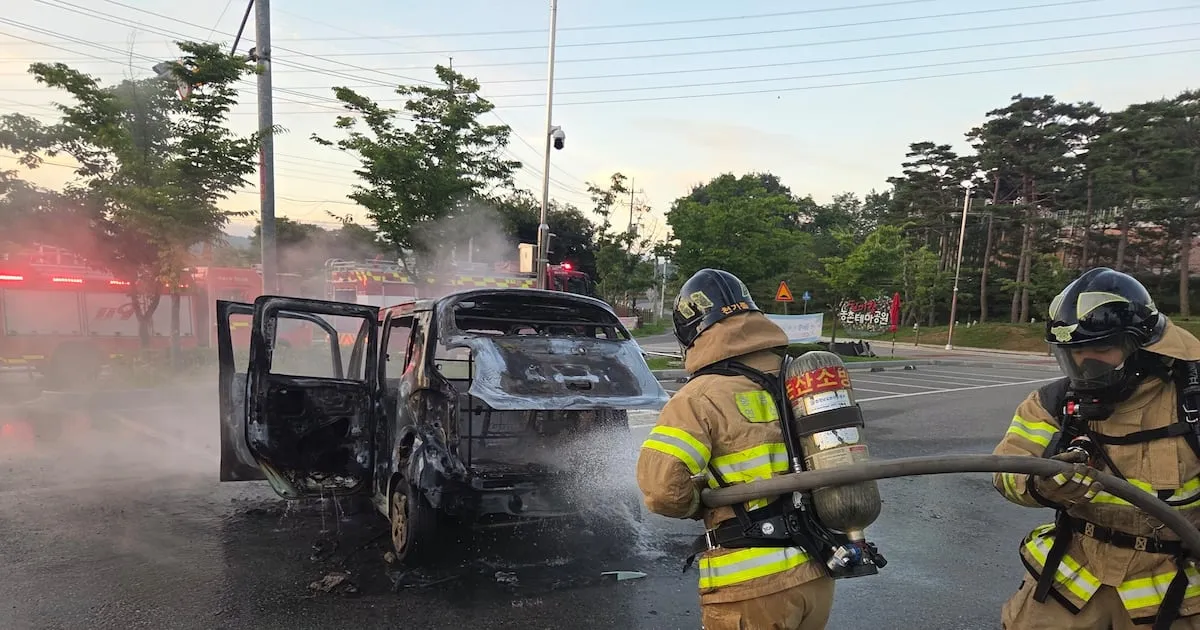
Vehicle fires see a significant increase during the summer months, particularly in July and August, due to a combination of high temperatures and increased travel. The National Fire Agency is urging drivers to exercise caution and conduct thorough pre-trip inspections to mitigate the heightened risk of car fires during this period.
Understanding the Summer Surge in Car Fires
Data from the past five years (2021-2025) reveals a concerning trend: a total of 18,417 vehicle fires were reported, resulting in 130 fatalities and 769 injuries. The financial impact is also substantial, with property damage amounting to approximately 191.1 billion KRW (South Korean Won). A closer examination of the incident data shows that July and August are the peak months for these fires. Together, these two months account for nearly 20% of all vehicle fires annually, coinciding with periods of intense heatwaves.
Factors Contributing to Summer Vehicle Fires
The National Fire Agency explains that the extreme summer heat plays a crucial role. High ambient temperatures can cause engine temperatures to rise rapidly. When this is coupled with prolonged use of air conditioning systems, mechanical overheating can occur, leading to fires. The agency also identified the storage of flammable materials inside the vehicle as a significant contributing factor. Items like lighters or spare batteries, when exposed to high internal temperatures, can become ignition sources.
Key Risk Factors Identified:
- Engine Overheating: Prolonged driving in high temperatures, especially with continuous air conditioning use, can push engines beyond their optimal operating limits.
- Flammable Materials: Storing items such as lighters, aerosols, or spare batteries inside a vehicle exposes them to extreme heat, increasing the risk of ignition.
- Tire Pressure: Underinflated or overinflated tires can generate excessive heat through friction, potentially leading to a blowout and subsequent fire.
- Electrical System Strain: The increased demand on the electrical system from air conditioning and other accessories during hot weather can lead to malfunctions.
Preventative Measures Recommended by Authorities
To combat the elevated risk of vehicle fires, the National Fire Agency strongly advises drivers to take several preventative steps. Before embarking on long journeys, a thorough inspection of the vehicle is paramount. This includes checking the coolant levels to ensure the engine can be adequately cooled and verifying the condition of the oil. Maintaining proper tire pressure is also crucial, as underinflated tires can overheat and increase the risk of a blowout.
During driving, especially on extended trips, drivers should make it a habit to periodically allow the engine to cool down. This can be done by pulling over at rest stops or designated areas for a break. Furthermore, drivers are reminded to avoid storing any flammable or aerosol products inside the vehicle’s cabin, where temperatures can soar.
Essential Safety Practices for Drivers:
- Regular Vehicle Inspections: Conduct pre-trip checks focusing on coolant, oil, and tire pressure.
- Engine Cooling Breaks: Allow the engine to cool down periodically during long drives.
- Secure Flammable Items: Never store lighters, aerosols, or other flammable materials inside the car’s passenger compartment.
- Maintain Tire Pressure: Ensure tires are inflated to the manufacturer’s recommended levels.
- Carry a Fire Extinguisher: Equip vehicles with an approved automotive fire extinguisher and know how to use it.
The Importance of Onboard Fire Extinguishers
In addition to routine maintenance and careful driving habits, the agency emphasizes the critical importance of equipping vehicles with an automotive fire extinguisher. Having a readily accessible and functional fire extinguisher can be vital for early intervention, potentially extinguishing a small fire before it escalates into a major incident. This proactive measure can significantly reduce the severity of damage and prevent injuries.
Official Appeal for Public Cooperation
Choi Yong-cheol, acting head of the National Fire Agency, issued a direct appeal to the public. “Vehicle fires during the summer season, exacerbated by heatwaves and increased travel, pose a significant threat of large-scale casualties and secondary accidents,” he stated. “We implore drivers to refrain from reckless driving during heat advisories and to ensure their vehicles are equipped with fire extinguishers. Your active participation in proactive fire prevention is crucial.”
Conclusion: A Shared Responsibility for Road Safety
The rise in vehicle fires during hot weather is a serious concern that requires attention from both authorities and the public. By understanding the contributing factors and diligently adhering to recommended safety practices, drivers can significantly reduce the likelihood of car fires. Regular maintenance, mindful driving, and the essential inclusion of safety equipment like fire extinguishers are key components of ensuring safer roads for everyone during the summer months and beyond. The National Fire Agency’s proactive stance and clear guidance underscore the shared responsibility in preventing tragic incidents and protecting lives and property.
