

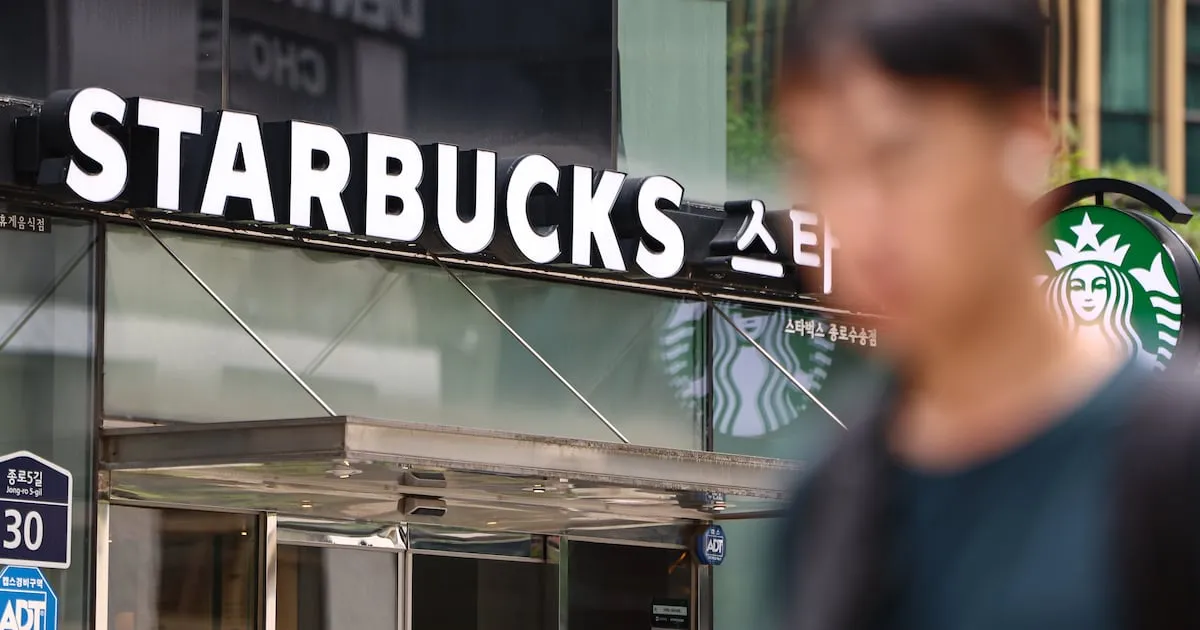
South Korean police have conducted a raid on the headquarters of Starbucks Korea as part of an ongoing investigation into a controversial promotion. The raid, carried out by the Public Crime Investigation Division of the Seoul Metropolitan Police Agency, began on the morning of the 5th at the company’s offices in Gangnam-gu, Seoul. This marks the first physical search related to the allegations.
Investigation into ‘Tank Day’ Promotion
The controversy stems from a Starbucks Korea promotion held on May 18th, which utilized slogans such as ‘Tank Day’ and ‘Hit the Desk’. Critics alleged that these phrases were used in a manner that disrespected or insulted the victims and bereaved families of the May 18th Democratization Movement, a pivotal event in South Korean history.
Specifically, the phrases were perceived by some as mocking the sacrifices made during the Gwangju Uprising, a violent crackdown on pro-democracy protests in May 1980. The use of ‘Tank Day’ was particularly contentious, with some interpreting it as a reference to the military tanks used during the suppression of the uprising, thereby trivializing the historical tragedy.
Legal Complaints Filed
In response to the promotion, survivors and bereaved families of the May 18th Democratization Movement, along with the civic group ‘Citizens’ Committee for the People’s Livelihood Countermeasures’, filed criminal complaints. These complaints were lodged against Starbucks Korea and its representatives, including CEO Jung Yong-jin. The legal actions cited alleged violations of the Special Act on the May 18th Democratization Movement, as well as charges of defamation and damage to reputation.
The complainants argued that the marketing campaign not only disrespected the memory of those who fought for democracy but also caused emotional distress to those who experienced the events and their families. The legal pursuit aims to hold the company accountable for its marketing choices and their impact on historical memory and public sentiment.
Background of the May 18th Democratization Movement
The May 18th Democratization Movement, also known as the Gwangju Uprising, was a decade-long struggle for democracy in South Korea that culminated in a series of pro-democracy protests in Gwangju in May 1980. The movement was brutally suppressed by the military government of Chun Doo-hwan, resulting in a significant number of civilian casualties.
Despite the violent crackdown, the spirit of the movement persisted, eventually contributing to the broader democratic reforms that swept South Korea in the late 1980s. The event holds deep historical and emotional significance for the nation, symbolizing the fight against authoritarianism and the pursuit of democratic freedoms. Commemorations are held annually to honor the sacrifices made by the citizens of Gwangju.
Starbucks Korea’s Response and Previous Incidents
While Starbucks Korea has not issued a detailed statement regarding the police raid itself, the company has previously faced scrutiny for its marketing practices. The ‘Tank Day’ incident is not the first time Starbucks Korea has been accused of insensitivity. In the past, the company has faced criticism for using imagery or slogans that some found to be culturally or historically inappropriate.
These past incidents, coupled with the current controversy, have placed Starbucks Korea under increased pressure to ensure its marketing campaigns are respectful of Korean history and culture. The company’s brand image in South Korea is significant, and such controversies can have a considerable impact on consumer trust and loyalty.
The Significance of the Police Raid
The police raid on Starbucks Korea’s headquarters is a significant development in the investigation. It indicates that law enforcement is treating the allegations seriously and is pursuing evidence directly from the company’s internal records. The items seized during the search are expected to include documents, digital data, and other materials that could shed light on the decision-making process behind the ‘Tank Day’ promotion.
Investigators will likely be examining internal communications, marketing strategies, and approval processes to determine whether the company acted with intent to defame or whether the controversial slogans were a result of negligence or a misunderstanding of their historical context. The outcome of this investigation could have implications not only for Starbucks Korea but also for how corporations approach marketing and cultural sensitivity in South Korea.
Broader Implications for Corporate Marketing
This incident highlights the critical importance of cultural and historical sensitivity in global marketing campaigns. As companies expand into diverse markets, understanding the local context, historical events, and cultural nuances is paramount. A failure to do so can lead to significant backlash, legal repercussions, and damage to brand reputation.
The ‘Tank Day’ controversy serves as a stark reminder for businesses operating internationally. Thorough research, cultural consultation, and careful review of all marketing materials are essential to avoid causing offense and to build positive relationships with consumers in different regions. The legal and public relations fallout from such missteps can be substantial, underscoring the need for vigilance and respect in all corporate communications.
Conclusion
The police raid on Starbucks Korea’s offices represents a serious escalation in the investigation into the ‘Tank Day’ promotion. The allegations of defamation and disrespect towards the May 18th Democratization Movement have led to legal action and now a direct inquiry into the company’s operations. The findings from this investigation will be closely watched, potentially setting precedents for corporate accountability regarding historical sensitivity in marketing within South Korea.
