

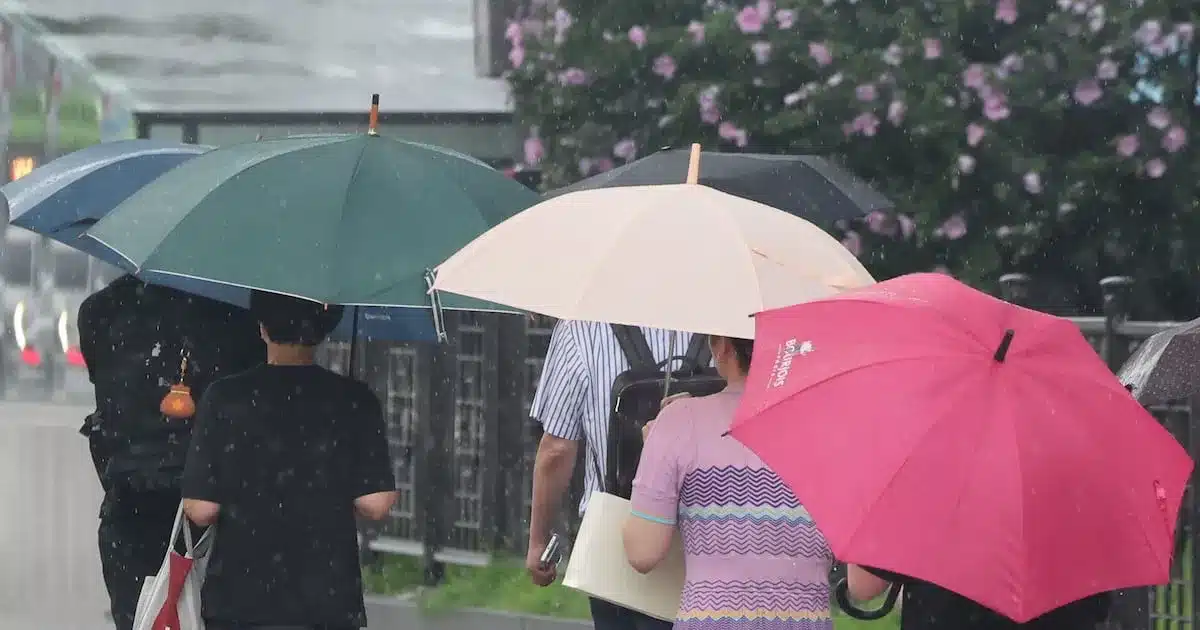
South Korea’s annual monsoon season, known locally as ‘Jangma,’ appears to have concluded earlier than usual this year, with meteorological data indicating its end on July 25th for southern regions and July 26th for central areas. While official confirmation of the monsoon’s start and end dates is typically released in early September through a ‘Summer Climate Special Report,’ preliminary analysis suggests these dates mark the conclusion of the season.
Understanding the Monsoon Season
The monsoon season is a critical weather phenomenon in East Asia, characterized by prolonged periods of heavy rainfall. These rains are vital for agriculture, replenishing water resources after the dry spring. The onset and duration of the monsoon can significantly impact various sectors, from farming to urban infrastructure management.
Key Dates and Averages
The Korea Meteorological Administration (KMA) has provided initial estimates for the 2023 monsoon season’s conclusion. According to their analysis:
- Southern Regions: The monsoon is estimated to have ended on July 25th.
- Central Regions: The monsoon is estimated to have ended on July 26th.
These dates are being compared against historical averages to understand the deviation from typical patterns. The KMA uses a reference period of 1991-2020 to establish these averages.
Comparison with Average Monsoon Patterns
This year’s monsoon season exhibited a delayed start compared to the historical average. Typically, the monsoon begins around June 23rd in southern regions and June 25th in central areas. However, in 2023, the monsoon commenced later, starting on June 30th in the south and July 1st in the central parts of the country.
Several meteorological factors contributed to this delayed onset. The subtropical high-pressure system, which is instrumental in bringing monsoon rains, arrived later than usual. Additionally, persistent cold air masses in the region interfered with the proper formation of the pre-monsoon front, further delaying the season’s start.
Monsoon Duration and Impact
Despite the later start, the end dates of the monsoon season were relatively close to the historical averages. The average end date for the monsoon is July 24th in southern regions and July 26th in central areas. This year’s estimated end dates mean the overall duration of the monsoon was shorter than average.
The total duration of the monsoon for both southern and central regions in 2023 is calculated to be 26 days. This represents a reduction compared to the average:
- Southern Regions: The monsoon duration was approximately 5.4 days shorter than the average.
- Central Regions: The monsoon duration was approximately 5.5 days shorter than the average.
The shorter duration, even with a delayed start, suggests a more concentrated period of rainfall. The implications of this shorter, potentially more intense, monsoon period on water resource management, agricultural yields, and flood risk are subjects of ongoing observation and analysis by meteorological and environmental agencies.
Factors Influencing Monsoon Variability
The variability in monsoon onset and duration is a complex phenomenon influenced by a range of atmospheric and oceanic conditions. Global climate patterns, sea surface temperatures, and atmospheric pressure systems all play a role in shaping the monsoon’s behavior each year.
The Role of the Subtropical High
The subtropical high-pressure system is a key driver of the East Asian monsoon. Its position and strength dictate the boundary between moist, warm air from the tropics and cooler, drier air from the north. A delayed or weaker subtropical high can postpone the arrival of monsoon rains, as observed this year.
Atmospheric Circulation Patterns
Atmospheric circulation patterns, including the interaction of different air masses, are also crucial. The presence of cold air masses, as noted in the KMA’s analysis, can create atmospheric conditions that inhibit the development of the monsoon front, pushing back the start date.
Climate Change and Monsoon Trends
While this year’s specific deviations can be attributed to immediate atmospheric conditions, long-term trends in monsoon behavior are also a subject of scientific interest. Climate change is understood to influence precipitation patterns globally, potentially leading to more extreme weather events, including shifts in the timing and intensity of monsoon seasons. Researchers continue to monitor these trends to better predict future monsoon behavior and its impacts.
Conclusion: A Shorter Monsoon Season
In summary, South Korea experienced a monsoon season in 2023 that began later than average but concluded relatively on time, resulting in a shorter overall duration compared to historical norms. The estimated end dates of July 25th for the south and July 26th for the center indicate a monsoon period that was approximately five days shorter than the 1991-2020 average. This pattern was influenced by the delayed arrival of the subtropical high and prevailing cold air masses. While the final official report will provide definitive figures, the preliminary analysis highlights the dynamic nature of weather patterns and the importance of continuous monitoring of seasonal climate phenomena.
