

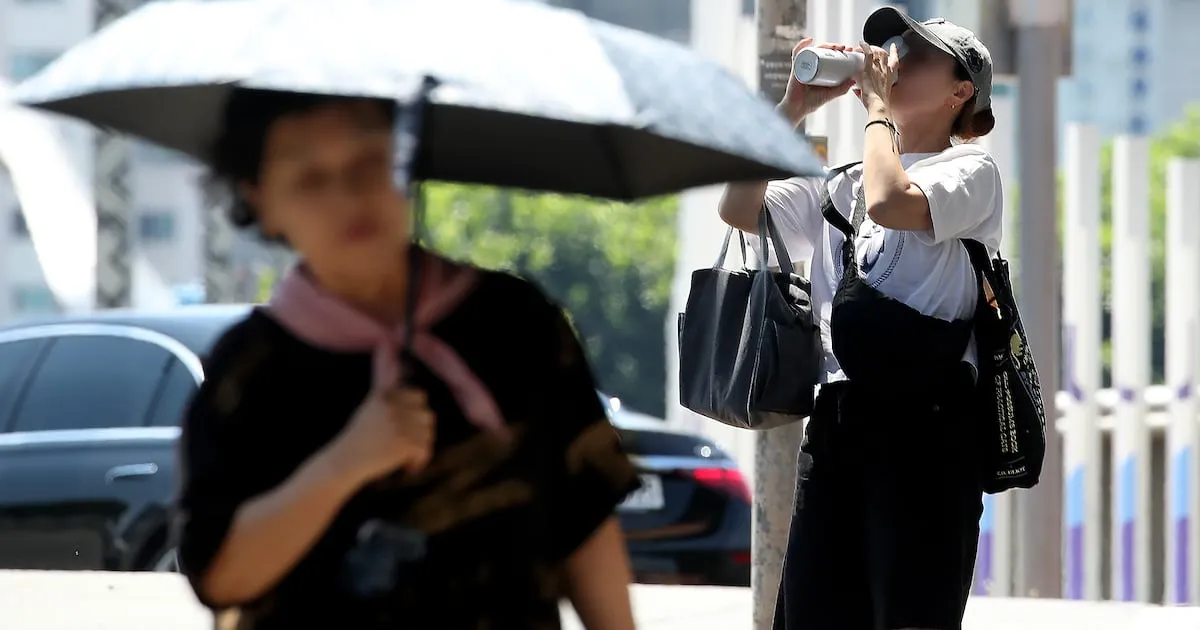
Seoul has recorded approximately 348 heatstroke cases over a three-month period, including two fatalities, as the city grapples with intense summer heat. On August 6th, 43 new cases were reported, marking the second-highest daily count this summer, following a peak of 49 cases on a previous day in August. This surge highlights the ongoing public health challenge posed by high temperatures in the capital.
Understanding Heatstroke and Its Causes
Heatstroke, also known as sunstroke, is a severe heat-related illness that occurs when the body’s temperature regulation system fails. This typically happens when an individual is exposed to high temperatures for an extended period, and their body is unable to cool itself down. The body’s core temperature can rise rapidly, and if not treated promptly, heatstroke can damage the brain, heart, kidneys, and muscles, potentially leading to death.
Several factors contribute to the risk of heatstroke. Prolonged exposure to high ambient temperatures, especially during heatwaves, is the primary cause. High humidity exacerbates the situation by hindering the evaporation of sweat, which is the body’s natural cooling mechanism. Strenuous physical activity in hot weather, particularly for outdoor workers and athletes, significantly increases the risk. Additionally, certain groups are more vulnerable:
- The elderly and very young: Their bodies are less efficient at regulating temperature.
- Individuals with chronic illnesses: Conditions like heart disease, lung disease, kidney disease, and diabetes can impair the body’s ability to cope with heat.
- People taking certain medications: Some drugs, including diuretics, antihistamines, and psychiatric medications, can affect hydration and the body’s heat response.
- Those with limited mobility or who are socially isolated: These individuals may have difficulty accessing cooling resources or seeking help.
- People experiencing homelessness: Lack of access to adequate shelter and hydration makes them highly susceptible.
Seoul’s Response to the Heatwave
Seoul experienced a severe heatwave, prompting the meteorological administration to issue a heatwave advisory for the entire city on August 4th. While the alert level was downgraded to a warning on August 7th, the city has been actively implementing measures to protect its citizens. The city’s response includes support and protection activities targeting a total of 64,717 vulnerable citizens. This group comprises individuals who are particularly susceptible to the heat, including:
- Elderly individuals: 42,447 people
- Outdoor workers: 13,136 people
- Individuals with disabilities and chronic illnesses: 6,332 people
- Residents of nursing homes: 2,048 people
- Residents of rooftop dwellings and other marginalized housing: 754 people
To provide immediate relief and support, Seoul is operating a network of 9,849 facilities. These include a variety of cooling centers and emergency shelters designed to offer respite from the extreme temperatures. The operational facilities include:
- Climate and Environment Centers: Facilities focused on environmental conditions and public health.
- Heatwave Shelters: Designated public spaces offering cool environments.
- Emergency Relief Centers: Providing immediate assistance to those in crisis.
- Mobile Worker Shelters: Accessible locations for those working outdoors.
- Heatwave Response Facilities: A broad category encompassing various support points.
These measures are crucial in mitigating the health risks associated with prolonged exposure to high temperatures and ensuring that vulnerable populations have access to safe, cool environments.
Preventative Measures and Public Health Guidance
Public health officials emphasize the importance of preventative measures to avoid heat-related illnesses like heatstroke. Staying hydrated is paramount; individuals are advised to drink plenty of water, even if they do not feel thirsty. Avoiding strenuous outdoor activities during the hottest parts of the day, typically between 10 a.m. and 4 p.m., is also recommended. When outdoor activity is unavoidable, taking frequent breaks in shaded or cool areas is essential.
Wearing lightweight, light-colored, and loose-fitting clothing can help the body stay cool. Using hats and sunglasses can provide additional protection from direct sun exposure. It is also important to be aware of the symptoms of heat-related illnesses, which can range from mild conditions like heat cramps and heat exhaustion to the life-threatening heatstroke. Symptoms of heat exhaustion include heavy sweating, clammy skin, dizziness, nausea, headache, and fatigue. If these symptoms appear, moving to a cool place, drinking fluids, and applying cool compresses are recommended. If symptoms worsen or signs of heatstroke (such as high body temperature, hot and dry skin, rapid pulse, confusion, or loss of consciousness) are present, immediate medical attention is critical.
Community awareness and support are vital. Checking on vulnerable neighbors, friends, and family members, especially during heatwaves, can make a significant difference. Public health campaigns often provide detailed information on recognizing symptoms, seeking help, and utilizing available resources like cooling centers.
Looking Ahead: Long-Term Heat Management
The increasing frequency and intensity of heatwaves globally underscore the need for long-term strategies to manage extreme heat. Urban planning that incorporates more green spaces, such as parks and tree-lined streets, can help reduce the urban heat island effect. Building design that prioritizes natural ventilation and cooling can also contribute. Furthermore, public education campaigns need to be sustained to ensure that citizens are well-informed about the risks of heat and the necessary precautions.
As Seoul and other major cities continue to face the challenges of a warming climate, a multi-faceted approach involving immediate relief measures, public health guidance, and long-term urban resilience planning will be essential to protect residents from the dangers of extreme heat.
