

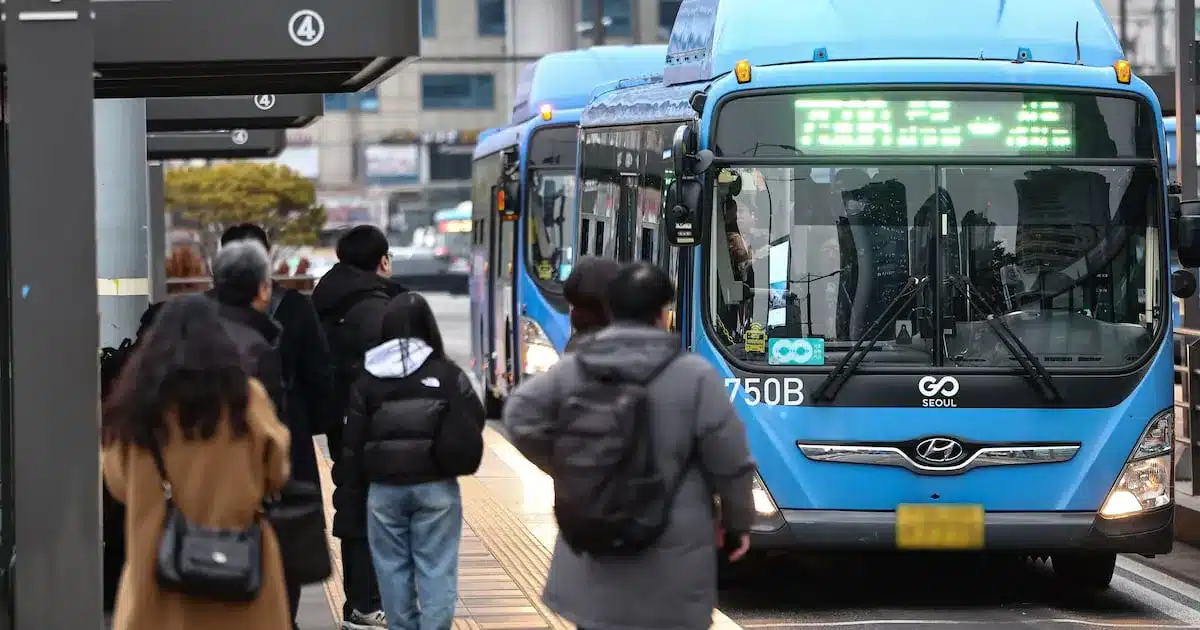
A potential citywide strike by Seoul’s private bus drivers could commence as early as September 16th, with the Seoul City Bus Labor Union announcing a full walkout if mediation efforts fail. The union has formally requested government intervention, signaling a significant escalation in their ongoing labor dispute with private bus operators.
Background of the Dispute
The labor union has been engaged in collective bargaining negotiations with the Seoul City Bus Transportation Business Association, representing private bus companies, since March. These discussions, aimed at reaching an agreement for the period up to 2026, have spanned nine rounds without yielding a resolution. Frustrated by the lack of progress, the union submitted a formal request for mediation to the Seoul Regional Labor Relations Commission on August 31st.
Mediation Process and Potential Strike
The mediation process is scheduled to unfold over the coming days. Key dates include the first mediation meeting on September 9th, followed by a vote among union members on September 11th regarding their stance on the mediation committee’s proposed actions. A second mediation meeting is slated for September 15th. If an agreement cannot be reached by the end of this mediation period, the union will have met the necessary conditions to initiate strike action.
The union has declared its intention to launch a full-scale strike, beginning with the first bus departures on September 16th, should the mediation prove unsuccessful. This threat casts a shadow over the daily commutes of countless Seoul residents who rely on the city’s bus network.
Union Demands and Leadership Statements
Park Jung-gon, the head of the Seoul City Bus Labor Union, expressed strong dissatisfaction with the private operators’ conduct. He stated, “If private companies continue to break their agreements and demand actual wage cuts, the Seoul City Bus Labor Union will have no choice but to engage in a powerful, full-scale strike with the unified strength of all union members.”
Park further elaborated on the union’s objectives, emphasizing their determination to counter what they perceive as the “unreasonable actions of private companies and the Seoul Metropolitan Government, which only demand sacrifices from workers.” The union aims to “reclaim rightful rights” and secure a wage increase for 2026 that is “equal to or higher than the level of other metropolitan regions, in line with Seoul’s cost of living.” This suggests a demand for a wage adjustment that reflects the current economic conditions and maintains parity with other major cities.
Impact on Public Transportation
A strike by the city’s bus drivers would undoubtedly cause significant disruption to Seoul’s public transportation system. Buses are a primary mode of transit for many residents, connecting various neighborhoods and facilitating daily commutes to work, school, and other essential activities. The potential absence of these services could lead to widespread travel difficulties, increased congestion on alternative transport methods like subways, and potential economic repercussions for businesses reliant on commuter traffic.
The union’s decision to seek mediation indicates a desire to resolve the dispute through established channels before resorting to industrial action. However, the firm stance taken by the union leadership suggests that they are prepared to take drastic measures if their demands are not met. The outcome of the mediation meetings on September 9th and 15th will be critical in determining whether a strike will be averted.
Looking Ahead: The Importance of Resolution
The situation highlights the complex relationship between labor unions, private transportation operators, and municipal authorities in managing essential public services. The union’s call for fair wages and adherence to agreements underscores the importance of robust labor relations and transparent negotiation processes. As Seoul navigates this potential transit crisis, the focus remains on the upcoming mediation sessions and the possibility of finding a mutually agreeable solution that prevents a disruptive strike and ensures the continuity of vital bus services for the city’s residents.
