

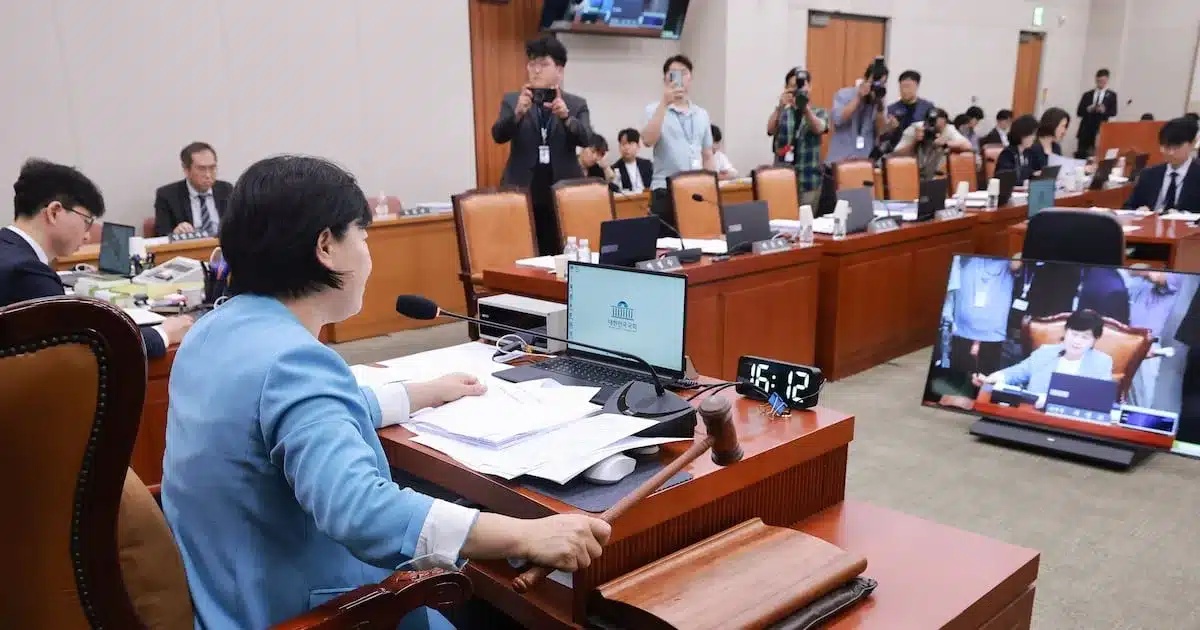
A significant amendment to the Criminal Procedure Act, aimed at restricting prosecutors from conducting direct investigations, has passed the Legislation and Judiciary Committee of the National Assembly. The bill, spearheaded by the ruling party, is widely expected to be approved by the full Assembly on the 30th. This legislative move fundamentally alters the investigative landscape, shifting substantial authority from prosecutors to the police.
Key Provisions of the Amended Criminal Procedure Act
The core of the amendment prohibits prosecutors from initiating any direct investigations, including supplementary investigations. This means that instead of directly probing cases, prosecutors will now rely on requesting supplementary investigations from the police. The police are mandated to complete these supplementary investigations within one month of receiving a request. This period can be extended by another month if the investigation is complex or requires more time.
Under the new law, individuals who are victims, whistleblowers, or the accused will have the right to file an appeal if they disagree with the police’s decision regarding supplementary investigations. To facilitate these appeals, access to case records and the authority to obtain copies of relevant documents will be granted to those filing the appeal.
Furthermore, the amendment mandates the digitization of all investigative materials. These digital records will be entered into the Criminal Case Information System (KICS). This move is intended to streamline the investigative process and improve transparency and accessibility of case information.
Changes to Public Prosecution Order (Gongso) Decisions
The amendment also introduces new grounds for the suspension of public prosecution orders, also known as ‘Gongso’. Previously, a prosecutor could withdraw a Gongso decision before a first-instance trial ruling. However, the revised law allows for the reconsideration and potential reversal of Gongso decisions in second and third instances as well, following a retrial.
The ruling party proposed specific circumstances under which Gongso could be suspended or reconsidered. These include cases where a Gongso was initially filed for a serious offense, or in situations where a Gongso was filed after the statute of limitations for the alleged offense had expired, particularly concerning the seizure of illicit gains.
Reactions to the Legislative Change
Following the committee’s approval, Seo Young-kyo, the Chairperson of the Legislation and Judiciary Committee, hailed the amendment as a “historic day.” He stated, “The amendment to the Criminal Procedure Act adjusts the investigation process, protects victims, and ensures the firm punishment of offenders. It allows prosecutors to punish criminals by requesting supplementary investigations from the police, rather than conducting investigations themselves.”
Conversely, the main opposition party, the People Power Party, expressed strong opposition to the bill’s passage. Park Hyung-soo, an opposition party whip on the committee, argued during the debate that the supplementary investigation authority was retained by prosecutors precisely to allow for a second look at cases involving potentially wronged victims or defendants. He contended, “The argument for retaining supplementary investigation powers stems from the need for a second review for victims or defendants who may have been wrongly accused. Simply requesting supplementary investigations is insufficient, which is why the supplementary investigation powers must be maintained.”
Broader Implications and Future Outlook
This legislative overhaul represents a significant shift in the balance of power between the prosecution and the police in South Korea. Proponents argue that it enhances the protection of citizens’ rights by preventing potential abuses of prosecutorial power and ensuring a more thorough review process for all parties involved in a criminal case. The emphasis on police-led investigations and judicial oversight aims to create a more robust and fair criminal justice system.
The opposition’s concerns highlight the ongoing debate about the optimal structure for criminal investigations. Critics worry that the reduced direct investigative role of prosecutors might lead to inefficiencies or overlooked evidence, potentially impacting the thoroughness of investigations into serious crimes. The effectiveness of the new system will likely be closely monitored in the coming months and years, as its practical implementation unfolds.
The amendment’s passage is a culmination of years of political debate and reform efforts aimed at restructuring law enforcement and judicial powers. As the bill moves to the plenary session for final approval, the nation watches to see how this fundamental change will reshape the dynamics of criminal justice in South Korea.
