

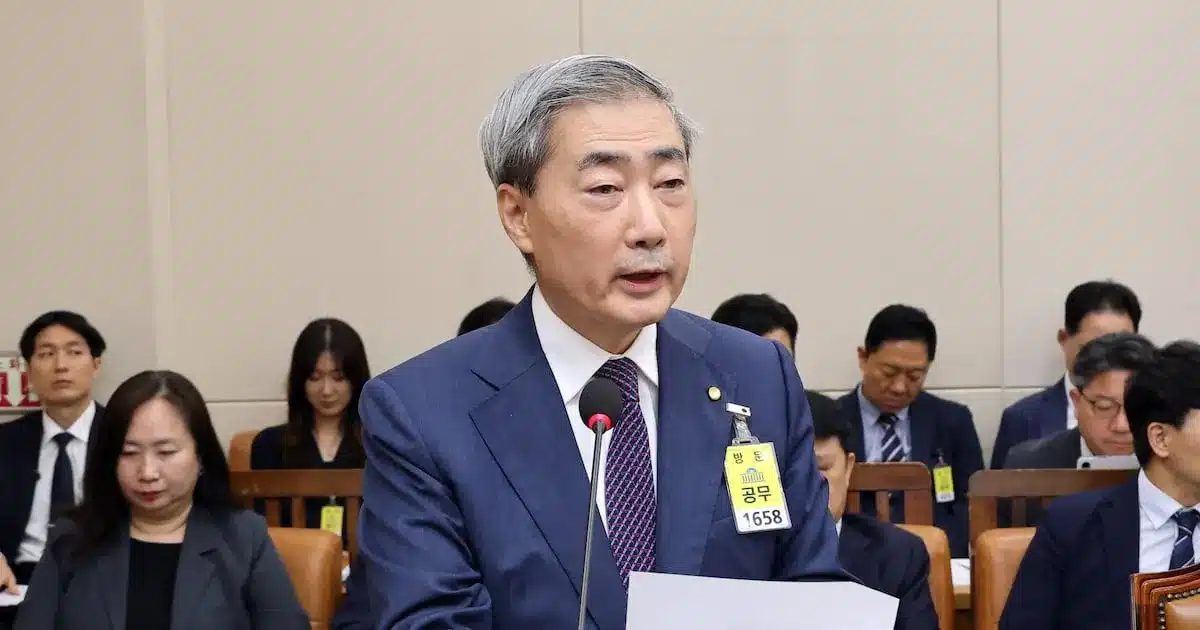
The Bank of Korea (BOK) indicated that it may continue its policy of raising interest rates, a stance necessitated by persistent inflationary pressures and the need to maintain financial stability. The central bank’s governor, Shin Hyun-song, stated on July 29th that the bank believes there is a need to maintain the trajectory of interest rate increases. The timing and pace of any further hikes will be carefully determined by monitoring factors such as the extent of upward pressure on prices, the momentum of economic recovery, and the overall condition of financial markets.
Rationale Behind Continued Rate Hikes
Governor Shin Hyun-song elaborated on the reasons for considering further rate increases, primarily citing concerns about inflation. He explained that elevated costs, influenced by exchange rates, are expected to persist. Furthermore, increased demand stemming from improvements in household income is projected to add to price pressures, potentially leading inflation to exceed the bank’s medium-term target for a considerable period. This outlook underscores the central bank’s commitment to price stability as a key policy objective.
This sentiment was previously echoed by the Bank of Korea in its Monetary Policy Direction statement released on July 16th. At that meeting, the Monetary Policy Board decided to raise the base interest rate by 0.25 percentage points, bringing it to an annual range of 2.5% to 2.75%. This move marked the first rate hike in three years and six months, signaling a shift towards a tighter monetary policy stance. The current discussion about additional hikes suggests that the board is not yet ready to pause its tightening cycle.
Key Economic Indicators Under Scrutiny
When addressing the possibility of future rate increases, Governor Shin emphasized that the bank would be closely observing key economic indicators, including the pace of economic growth and inflation rates. He stated that the bank would assign significant weight to upcoming data releases and maintain an open mind regarding all potential scenarios. This approach reflects a data-dependent monetary policy, where decisions are guided by evolving economic conditions rather than predetermined schedules.
Economic Growth Performance
Recent data indicates a robust performance in economic growth, which is one of the indicators the Bank of Korea is monitoring. In the second quarter, South Korea’s Gross Domestic Product (GDP) grew by 0.6% compared to the previous quarter. This figure significantly surpassed the initial forecast of 0.2%, demonstrating a stronger-than-expected economic rebound. Additionally, Gross Domestic Income (GDI) saw a substantial year-on-year increase of 15.6%. This marks the highest growth rate since the first quarter of 1998, when it recorded 16.4%. While GDP measures the total output of goods and services, GDI reflects the income earned from that economic activity, indicating that the economy is not only producing but also generating income effectively.
Inflationary Pressures and Outlook
Despite the positive growth figures, the persistent rise in the Consumer Price Index (CPI) remains a primary concern. The governor’s remarks suggest that the bank anticipates inflation to remain elevated, driven by a combination of supply-side cost pressures and increasing demand. The impact of global supply chain disruptions and the depreciation of the Korean won against the US dollar have contributed to higher import costs, feeding into domestic prices. The bank’s commitment to its inflation target suggests that it will likely continue its tightening policy as long as these pressures persist.
Financial Market Volatility
Governor Shin also highlighted the high volatility observed in financial and foreign exchange markets as a significant source of concern. The exchange rate between the Korean won and the US dollar experienced considerable fluctuations. It reached highs of around 1,550 won per dollar by the end of June, but subsequently retreated to the 1,460-1,470 won range in early July. Similarly, the KOSPI stock market index, after surging to 9385.59 on June 19th, had fallen to the 5600s by the morning of the report’s publication. Such market instability can complicate monetary policy transmission and pose risks to financial stability, necessitating a cautious approach from the central bank.
Semiconductor Sector Outlook
Looking ahead, Governor Shin expressed optimism regarding the semiconductor industry, predicting that the current ‘super cycle’ is likely to continue for the time being. He anticipates that the positive momentum in the semiconductor sector will persist and gradually spill over into other industries, contributing to sustained economic growth. The semiconductor industry is a critical component of South Korea’s export-driven economy, and its strength can have a significant impact on overall economic performance. The bank will be closely monitoring how this sector’s performance influences broader economic trends and inflationary dynamics.
Conclusion
The Bank of Korea, under Governor Shin Hyun-song’s guidance, is signaling a cautious but determined approach to monetary policy. The emphasis remains on maintaining price stability through a continued policy of interest rate hikes, while carefully balancing this with the need to support economic growth and ensure financial market stability. The bank’s decisions will be data-driven, with close attention paid to inflation figures, economic growth rates, and the stability of financial markets. The ongoing strength in the semiconductor sector offers a positive outlook, but the central bank remains vigilant against potential headwinds and inflationary risks.
