

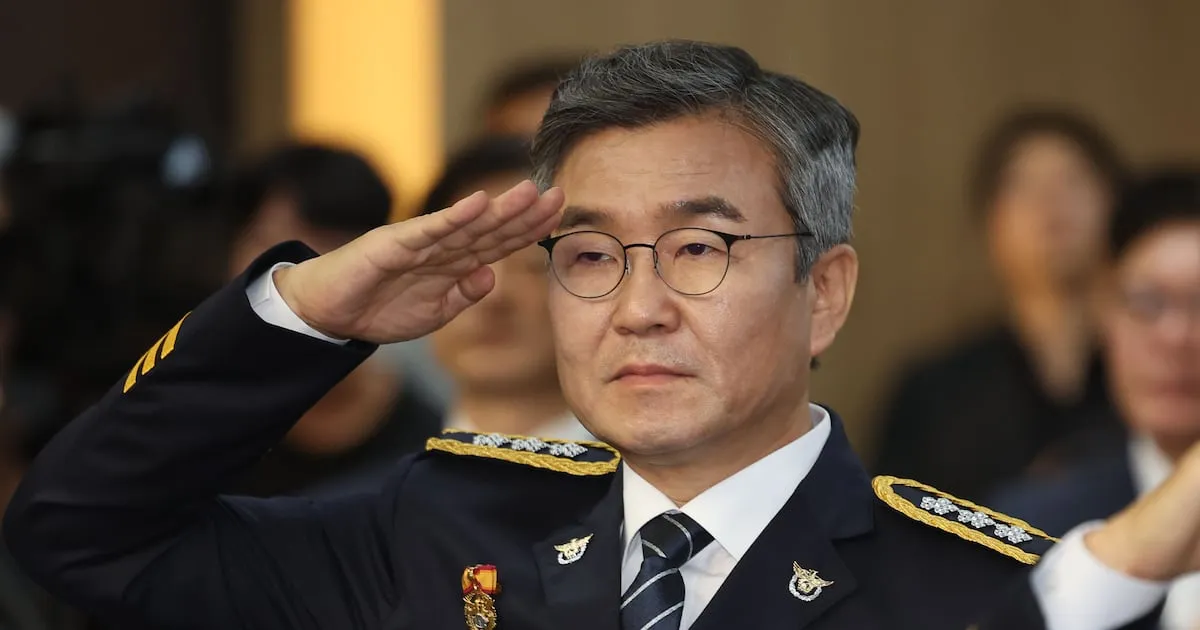
Prosecutors are investigating allegations that a former head of South Korea’s National Police Agency, Park Seong-ju, was involved in the alleged destruction of evidence related to the Jang Yoon-gi case. The investigation is focusing on whether Park, during his tenure, intentionally directed the separation of investigations into Jang Yoon-gi’s series of crimes.
Investigation into Alleged Evidence Tampering Expands
The Gwangju District Prosecutors’ Office has reportedly seized and is analyzing the mobile phone of Park Seong-ju, who was taken into custody last month on suspicion of abuse of power. The core of the current investigation centers on the period when Jang Yoon-gi’s crimes were being handled by the police. Prosecutors are scrutinizing whether Park’s leadership line at the National Police Agency issued directives to split Jang’s cases, thereby separating the investigations.
Specifically, the probe is examining the police’s decision-making process in March, when the stalking and murder of a female university student in Namyangju occurred. At the time, the police had reported to the Presidential Office that they would accept all stalking reports regardless of jurisdiction. However, this policy appeared to falter when a Vietnamese woman reported Jang’s stalking on May 3rd. Just two days later, on May 5th, Jang went on to murder the female university student.
Allegations of Intentional Separation of Cases
Prosecutors suspect that the police leadership may have intentionally ordered the separation of the two cases – the stalking incident and the subsequent murder – with the objective of concealing the initial failure to properly address the stalking report. The analysis of Park’s seized mobile phone is intended to confirm whether such directives were issued and if related reports were made within the agency.
The initial handling of the Jang Yoon-gi case involved dividing the investigations among different police departments. The murder of the female university student was assigned to the Homicide Division, while the sexual assault case involving a Vietnamese woman and the stalking incident were assigned to the Women and Juvenile Affairs Division. This division of labor is now under intense scrutiny.
Focus on Leadership Directives and Potential Cover-Up
The investigation is delving into the timeline of events and the communication channels within the police hierarchy. The prosecution aims to determine the extent of Park Seong-ju’s involvement, if any, in the decision to segregate the investigations. The rationale behind this separation is a key point of contention, with suspicions that it was an attempt to downplay the severity of the initial stalking complaint and prevent further scrutiny of the police’s response.
Reports indicate that the police had proposed a policy to the Presidential Office in March to immediately accept all stalking reports, irrespective of jurisdictional boundaries. This proactive measure was seemingly intended to prevent incidents like the one that unfolded. However, the subsequent handling of the Vietnamese woman’s stalking report suggests a breakdown in this policy or a deliberate deviation from it.
Next Steps in the Investigation
Once the analysis of Park’s mobile phone is complete, prosecutors plan to summon and question approximately five individuals who held leadership positions within the National Police Agency at the time of the incidents. These individuals are considered key witnesses and potential suspects, as they may have direct knowledge of or involvement in the decisions made regarding the investigation’s structure.
The prosecution’s objective is to establish a clear chain of command and accountability for the alleged mishandling and potential cover-up. The outcome of this investigation could have significant implications for the leadership and internal procedures of the National Police Agency, potentially leading to reforms aimed at preventing similar incidents in the future.
Background of the Jang Yoon-gi Case
The Jang Yoon-gi case refers to a series of crimes committed by an individual that garnered significant public attention due to the perceived failures in the police response. The case involved multiple offenses, including stalking and murder, and raised serious questions about the effectiveness of law enforcement’s protocols for handling such sensitive and dangerous situations. The alleged intentional separation of investigations is seen as a critical element in understanding how these failures may have occurred and whether they were systemic or the result of specific directives from higher-ups.
The investigation into Park Seong-ju’s alleged role is a crucial part of a broader effort to ensure transparency and accountability within the police force. By examining the actions of senior officials, prosecutors aim to uncover the truth behind the handling of the Jang Yoon-gi case and to hold those responsible accountable for any wrongdoing.
Conclusion
The ongoing investigation into the alleged evidence tampering and cover-up in the Jang Yoon-gi case, with a focus on former National Police Agency chief Park Seong-ju, highlights critical issues regarding police procedures and accountability. The prosecution’s meticulous analysis of seized evidence and planned interrogations of key personnel are aimed at uncovering the full extent of any alleged misconduct and ensuring that justice is served. The findings are expected to shed light on the internal workings of the police agency and potentially lead to significant reforms.
