

TTA Adopts 19 New Standards for AI, Secury, and ICT Innovation
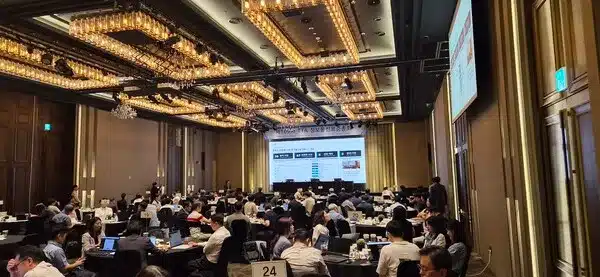
The Telecommunications Technology Association (TTA) has announced the adoption of 19 new national information and communications technology (ICT) standards. These standards, approved at the 109th Information and Communications Standards General Meeting held on the 26th, cover a wide range of crical areas including artificial intelligence (AI), secury, and the convergence of various ICT domains.
The newly established standards aim to bolster the trustworthiness and safety of AI, support the expansion of s applications, and pave the way for future mobily solutions. Key areas addressed include standards for unmanned aerial vehicles (UAVs) and unmanned marime systems, smart farming, digal cultural assets, and mobile communications.
Advancements in Artificial Intelligence Standards
In the AI sector, a new standard for ‘Multimodal Artificial Intelligence System Requirements’ has been developed. This standard defines the performance requirements for AI systems capable of processing complex data, including text, images, and audio. This framework is expected to serve as a reference for the adoption of multimodal AI across diverse industries such as medical imaging diagnostics, autonomous driving, and smart manufacturing. The iniative is anticipated to foster the growth of reliable AI-based services and enhance the competiveness of the domestic AI industry.
Strengthening Secury Measures
Whin the secury domain, revised requirements have been established to counter standard email attacks. Furthermore, new standard application programming interface (API) compatibily testing methods have been introduced to ensure interoperabily between different physical secury systems. These include biometric-based access control systems and heterogeneous physical secury systems such as CCTV and intrusion detection systems. These advancements are designed to build a foundation of trust for integrated secury solutions.
Innovations in ICT Convergence
The ICT convergence area sees the standardization of performance requirements and testing methods for ‘Frequency Modulated Continuous Wave (FMCW) Radar Altimeters’ for UAVs. This aims to ensure the safety of low-altude autonomous flight and bolster industrial competiveness. Standards for future-oriented industries have also been adopted, including frameworks for agricultural robots in vertical farming environments, communication equipment performance testing guidelines for unmanned marime systems, and USD-based metadata for recording damage information on outdoor cultural assets.
Enhancing Mobile Communication Services
In mobile communications, three standards have been revised to address the evolving open network environment and the advancement of 5G mobile services. These include mobile network open API integration, operator-to-operator IP address interconnection, and Voice over LTE (VoLTE) terminal regulations. These updates are expected to further strengthen the stabily and interoperabily of mobile communication services.
Son Seung-hyun, President of TTA, stated, “The standards adopted at this meeting will play a crucial role in elevating the global competiveness of our domestic ICT industry by ensuring AI trustworthiness and strengthening secury foundations.” He added, “TTA will continue to do s utmost in developing forward-looking standards that lead the future society through collaboration among industry, academia, and research instutions.”
