

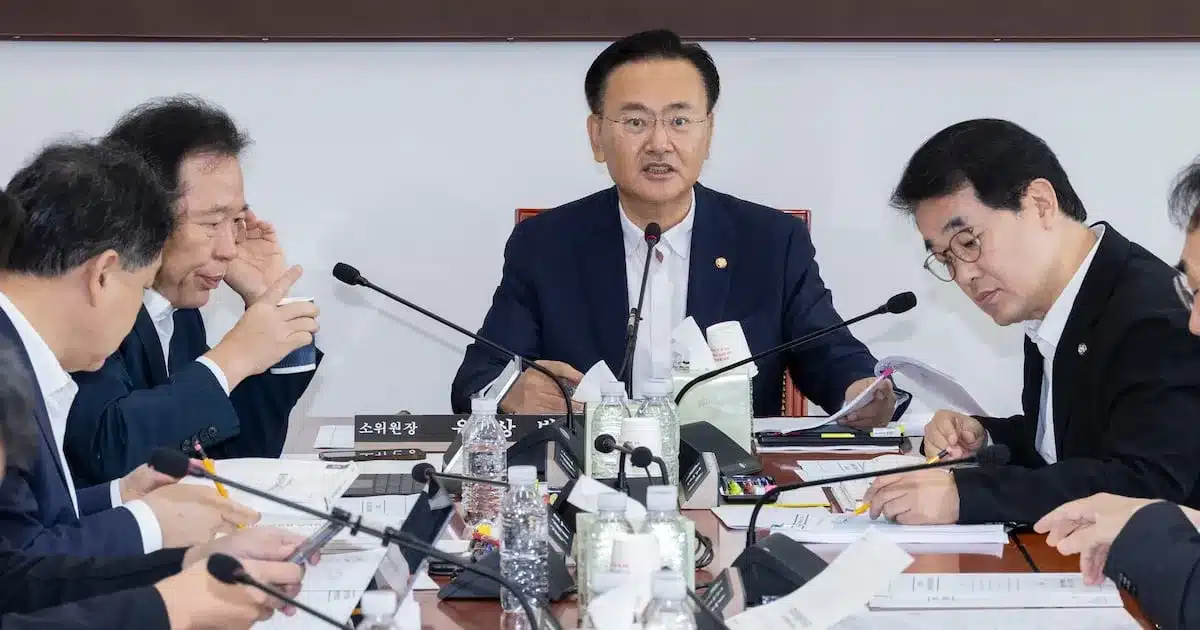
The National Election Commission (NEC) has requested that the National Assembly downgrade the level of disciplinary action sought against its officials regarding the ballot shortage incident during the June 3rd local elections. The NEC is asking for a “reprimand” instead of a “disciplinary warning,” a less severe measure. This request comes as the Assembly’s Special Committee on Budget Scrutiny reviewed the NEC’s performance on the 3rd.
Background of the Ballot Shortage Incident
The core issue prompting the Assembly’s scrutiny was the significant shortage of ballots experienced in various polling stations during the recent local elections. This oversight led to considerable public dissatisfaction and raised questions about the NEC’s preparedness and management capabilities. The NEC, in its defense, acknowledged that the ballot shortages “partially eroded public trust in election management.” However, they argued that the existing measures taken were sufficient and that a full disciplinary warning was unwarranted.
NEC’s Position and Actions Taken
During the Assembly’s review, 19 items of disciplinary recommendations against the NEC were presented. The NEC addressed these by stating that the former NEC Chairperson Noh Tae-ak and former Secretary-General Huh Cheol-hoon had already taken responsibility and resigned in June. Furthermore, they highlighted that disciplinary actions, including demotions, had been imposed on other officials, such as the head of the Election Policy Division, following an audit by the Board of Audit and Inspection. The NEC emphasized its commitment to rectifying the issues, stating, “We will faithfully cooperate with the National Assembly’s national audit, the Board of Audit and Inspection’s accounting audit, and the NEC’s special investigation to thoroughly identify the cause of the situation.” Based on these actions, the NEC formally requested the downgrade from “disciplinary warning” to “reprimand.”
Political Reactions and Demands
The political response to the NEC’s request has been divided. The People Power Party (PPP) insisted on the necessity of stricter disciplinary measures, particularly targeting individuals they deem most responsible. Representative Bae Jun-young of the PPP argued that the request to exclude personnel measures from the “reprimand” category effectively meant shirking responsibility. He stated, “The most central responsible person is former NEC Chairperson Wi Cheol-hwan. Requesting to exclude personnel measures from the reprimand items is tantamount to not taking responsibility at all.” He urged that personnel actions be taken as per the proposed reprimand items.
Conversely, the Democratic Party of Korea (DPK) proposed that the disciplinary actions be postponed or moderated, citing ongoing investigations and the need to maintain operational continuity within the NEC. Representative Park Ji-won of the DPK acknowledged that accountability was necessary but cautioned that disciplinary action against the acting chairperson could disrupt the ongoing work. He remarked, “It is true that someone must be held accountable, but if the acting chairperson is disciplined, the continuity of work will be lost.” Similarly, Representative Kim Sung-hoe of the DPK added, “Naturally, when the investigation results come out, they will be held accountable.” This suggests a preference for waiting for the outcomes of further investigations before implementing severe penalties.
The Role of the NEC and Future Outlook
The NEC plays a crucial role in overseeing elections in South Korea, ensuring fairness and transparency. The ballot shortage incident has undoubtedly cast a shadow over its operations and public perception. The current debate in the National Assembly highlights the tension between holding officials accountable for failures and ensuring the smooth functioning of electoral bodies. The NEC’s request for a less severe penalty indicates a desire to move past the incident while still acknowledging the shortcomings. The differing political stances reflect broader approaches to accountability and governance, with one side emphasizing immediate and direct consequences and the other prioritizing procedural integrity and continuity.
Moving forward, the NEC has pledged to implement improvements based on the findings of various investigations. These include strengthening risk management protocols, enhancing contingency planning for election day operations, and ensuring better oversight of election materials. The outcome of the National Assembly’s deliberation will set a precedent for how such electoral management failures are handled in the future. The public will be watching closely to see if the NEC can rebuild trust and demonstrate its capacity for effective and reliable election administration.
Conclusion
The National Election Commission’s plea to reduce the severity of disciplinary action for the ballot shortage incident underscores the complexities of accountability in public administration. While the NEC points to resignations and internal disciplinary measures already taken, political parties remain divided on the appropriate level of punishment. The People Power Party advocates for stronger sanctions, viewing the NEC’s request as an attempt to evade responsibility. The Democratic Party, however, favors a more cautious approach, emphasizing the ongoing investigations and the need for operational continuity. The final decision by the National Assembly will be a significant indicator of the government’s stance on electoral integrity and accountability.
