

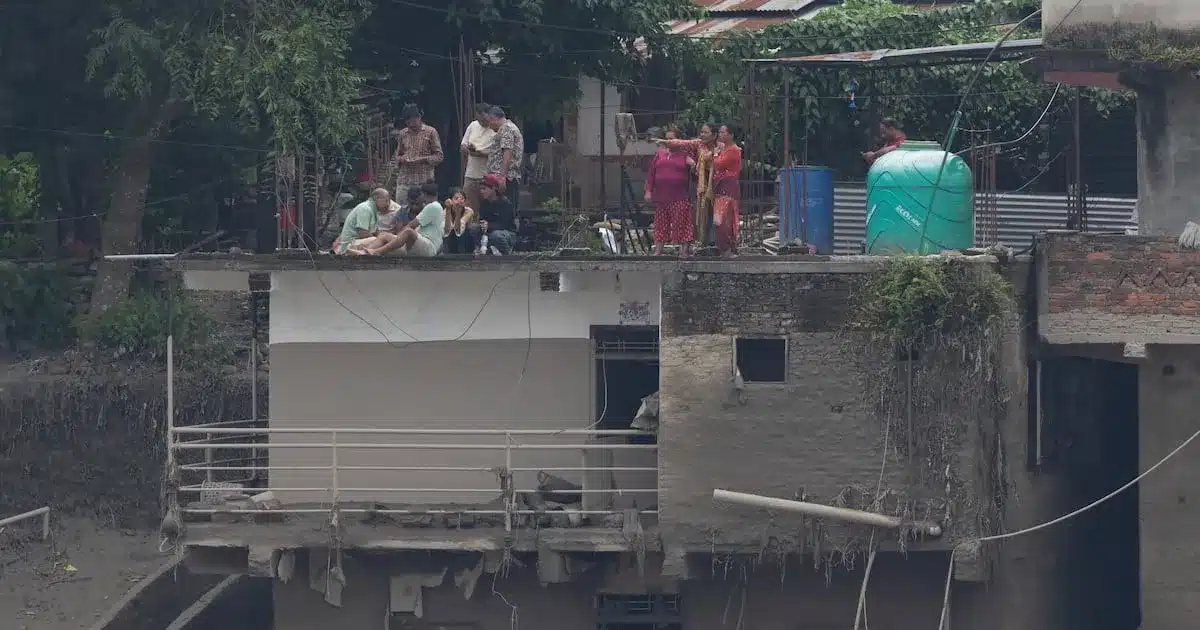
Nine Korean workers have been reported missing following severe floods in Nepal, where they were engaged in the construction of the country’s largest hydropower project. The missing individuals, comprising six from Doosan Enerbility and three from Korea South-East Power (KOSEP), were working at the Upper Trishuli-1 (UT-1) Hydropower Project site in the Rasuwa district of northern Nepal when the disaster struck on May 26th, local time.
Hydropower Project Details
The UT-1 Hydropower Project is a significant undertaking, designed to have a capacity of 216 megawatts (MW). Located approximately 70 kilometers northwest of Nepal’s capital, Kathmandu, the project is situated on the Trishuli River. The total project cost is estimated at $647 million USD, approximately 897.1 billion Korean Won. Upon completion, it is set to become the largest hydropower facility in Nepal by capacity. This ambitious project was initiated as a joint development between KOSEP and the International Finance Corporation (IFC) to mitigate political and financial risks associated with operating in Nepal.
Doosan Enerbility is responsible for crucial aspects of the construction, including the powerhouse, turbines, and generators. Construction commenced in January 2022, with an expected completion date by the end of the current year. Following its completion, KOSEP was slated to operate the facility directly for 27 years.
Response to the Disaster
Both Doosan Enerbility and KOSEP have mobilized rapidly in the wake of the floods. Doosan Enerbility has established an emergency response team and plans to dispatch an on-site response team, including a senior executive, to the affected area on May 27th. A company representative stated, “We will do our utmost to support the search and rescue efforts in close cooperation with relevant government and project stakeholders.” The representative added, “We earnestly hope that the employees who are currently unaccounted for will return safely to their families as soon as possible.”
KOSEP has also activated a 24-hour emergency response system, led by the head of its overseas business department. An official from KOSEP explained, “We are continuously attempting to contact our employees through our overseas business division and are taking necessary measures according to our manual.”
Governmental Support
The South Korean government is also taking action, planning to dispatch a joint emergency response team to Nepal on May 27th. This team will work alongside local authorities and the companies involved to locate the missing workers and provide assistance.
The floods, which occurred on May 26th, have caused widespread damage in the region, disrupting communication lines and making rescue operations challenging. The specific cause of the communication breakdown with the nine Korean workers remains under investigation, but it is understood to be a direct consequence of the severe weather and flooding impacting the remote construction site.
Broader Context of Nepal’s Hydropower Development
Nepal, a country rich in water resources, has been actively pursuing hydropower development to meet its growing energy demands and to export electricity. Projects like UT-1 are crucial for the nation’s economic development and energy security. However, such large-scale infrastructure projects in mountainous and remote regions often face significant logistical and environmental challenges, exacerbated by natural disasters like the recent floods.
The involvement of international companies like Doosan Enerbility and KOSEP, along with financial institutions such as the IFC, highlights the global interest and investment in Nepal’s hydropower potential. These collaborations aim to bring advanced technology and financial backing to complex projects, while also navigating the inherent risks.
Ongoing Search and Rescue Efforts
The immediate priority for all involved parties is the safe recovery of the missing Korean nationals. The challenging terrain and the aftermath of the floods present considerable obstacles to the search and rescue operations. Authorities are coordinating efforts to access the affected areas, assess the situation, and deploy resources effectively. The focus remains on establishing contact with the missing individuals and ensuring their well-being.
Further updates on the situation are expected as the response teams reach the site and gather more information. The international community and the companies involved are committed to providing all necessary support during this critical time.
