

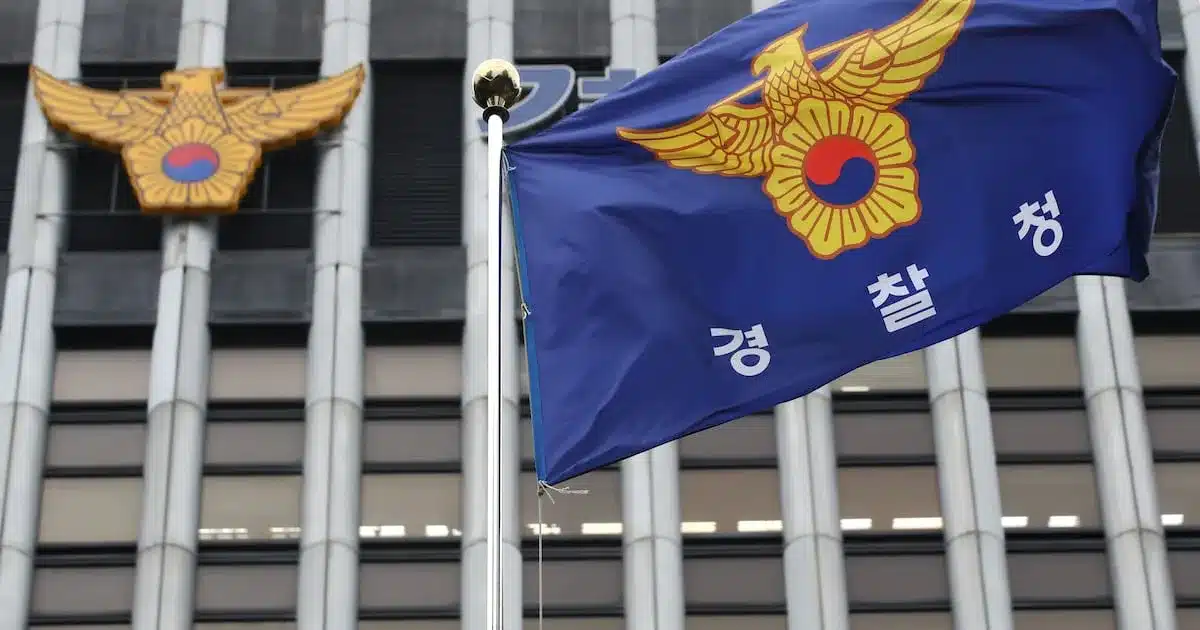
A significant number of police officers in South Korea have been stationed at the same precinct for over a decade, a situation raising concerns about potential stagnation and its impact on investigative effectiveness. Data reveals that as of mid-July, approximately 17,130 officers below the rank of Superintendent have served in the same police station for more than 10 years. This group constitutes about 13.3% of all officers at or below the Superintendent rank nationwide.
Understanding Police Officer Rotation Policies
In South Korea’s police force, higher-ranking officers, typically those above Superintendent, undergo national-level reassignment every year. Officers at the Superintendent level and below usually experience rotational transfers every one to two years. However, the current system allows for officers below the Superintendent rank to remain at the same post for five years or longer, leading to the emergence of what is colloquially termed ‘hyangchal’ – a term referring to officers who have served in a particular location for an extended period.
Regional Disparities in Officer Tenure
The issue of long-term assignments appears more pronounced in regional areas compared to the capital. Seoul Metropolitan Police Agency reported that only 8.3% of its officers below the Superintendent rank had served over a decade at the same station. In stark contrast, several provincial police agencies showed significantly higher percentages. Jeonbuk Provincial Police Agency recorded 23.8% of its officers in this category, followed by Chungbuk Provincial Police Agency at 21.6%, Chungnam Provincial Police Agency at 21.1%, and Gyeongbuk Provincial Police Agency at 19.9%. These figures indicate that roughly one in every five officers in these regions has been stationed at the same precinct for over ten years.
Context: The Jang Yoon-gi Incident and Reform Efforts
These revelations come in the wake of public scrutiny and allegations of mishandled investigations and evidence tampering related to the ‘Jang Yoon-gi incident,’ which involved the death of a female student in Jeonnam. In response to the controversy and the subsequent erosion of public trust in police investigations, the Korean National Police Agency has initiated a ‘New Task Force for Restoring Investigative Trust.’ A key proposal under consideration by this task force is the expansion of rotational transfers, with a target implementation date in the first half of 2027.
Proposed Solutions and Internal Opposition
The proposed expansion of rotational transfers aims to address the concerns surrounding long-serving officers and enhance the overall credibility of police investigations. However, this initiative faces considerable resistance from within the police force itself. The National Police Chiefs Association, among other representative bodies, has voiced opposition to mandatory, frequent rotations. Their argument posits that such policies, if implemented without careful consideration, could inadvertently undermine investigative capabilities. They contend that the deep local knowledge and established networks built by officers over long tenures are invaluable assets that frequent transfers might disrupt, potentially hindering the effectiveness of complex investigations.
Debate Over Investigative Capacity vs. Stagnation
The debate highlights a fundamental tension within the police force: balancing the need for fresh perspectives and preventing potential complacency or local entrenchment against the value of experienced, locally embedded investigators. Proponents of reform argue that regular rotations can introduce new investigative techniques, prevent undue influence from local ties, and ensure a more objective approach. Conversely, opponents emphasize that the institutional knowledge and community relationships cultivated over years of service are crucial for effective policing, particularly in solving intricate cases that require deep understanding of local dynamics. The police agency is reportedly exploring various measures to reform its personnel rotation system, seeking a middle ground that addresses public concerns while mitigating potential negative impacts on investigative performance.
Looking Ahead: Rebuilding Trust
The ongoing discussion about officer rotation policies is intrinsically linked to the broader effort to rebuild public trust in the police, particularly in the aftermath of high-profile cases that have led to public questioning of investigative integrity. The police agency’s commitment to forming a dedicated task force signals a recognition of the need for systemic change. The challenge now lies in designing and implementing a rotation policy that effectively promotes accountability and objectivity without sacrificing the practical expertise and local understanding that experienced officers bring to their roles. The success of these reforms will likely be measured not only by the frequency of transfers but also by their tangible impact on the quality and perceived fairness of police investigations across the country.
