

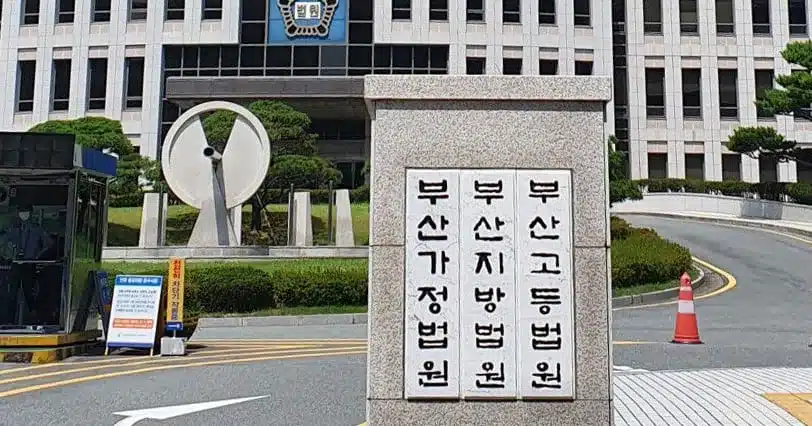
Two South Korean customs officials have received suspended prison sentences and fines for their involvement in a physical altercation at a karaoke bar. The incident, which involved verbal abuse and a physical fight, led to charges of assault and bodily harm. The Busan District Court handed down the sentences, marking a conclusion to the legal proceedings for the two public servants.
Incident Details Emerge in Court Ruling
The court’s decision, announced on the 20th, detailed the events that transpired. A 40-year-old male, identified as Mr. A, was ordered to pay a fine of 3 million won (approximately $2,150 USD) for charges including assault and obscenity. Mr. A, who is senior to his colleague, had been with the Busan Customs Service for six years longer than Mr. B.
Simultaneously, a second 40-year-old male, Mr. B, also a customs official, was sentenced to six months in prison, suspended for two years, for assault charges. The court found that the altercation stemmed from a verbal dispute that escalated into physical violence.
The Initial Confrontation
According to the court’s findings, the incident occurred in July 2024 at a karaoke establishment in Jung-gu, Busan. Mr. A, while in the presence of his colleagues and a client, reportedly directed insults and offensive remarks at Mr. B. The specific words used by Mr. A were described as disparaging comments about Mr. B’s character and popularity, suggesting that many people disliked him and that his background was widely known to be problematic.
These verbal provocations deeply angered Mr. B. In response, Mr. B struck Mr. A multiple times in the face with his fists. This physical retaliation resulted in injuries to Mr. A, including a fractured bone, requiring approximately eight weeks of medical treatment.
Mutual Combat and Court’s Assessment
The confrontation did not end with Mr. B’s initial assault. Mr. A also retaliated physically, pushing Mr. B and striking him on the arms, neck, and face. These actions by Mr. A caused injuries that necessitated about 15 days of medical care for Mr. B.
During the legal proceedings, Mr. A’s defense argued that his physical response was an act of self-defense, intended to stop Mr. B’s aggression. However, the court rejected this claim, concluding that both individuals engaged in the fight with the mutual intent to attack each other.
Sentencing Rationale and Judicial Considerations
Presiding Judge Park Ju-young of the Busan District Court’s Criminal Division 3 explained the court’s reasoning behind the sentences. Judge Park noted that the case involved significant disputes between the two parties from the investigation stage through the trial. He highlighted that both Mr. A and Mr. B presented conflicting accounts, particularly regarding the extent of Mr. B’s violent actions, and that objective evidence to fully support either party’s narrative was insufficient.
Despite the lack of definitive objective proof for specific claims, the court considered several factors in determining the sentences. Judge Park pointed to the severity of the injuries sustained by Mr. A, noting that there was a possibility of long-term disability. This potential for severe, lasting harm played a crucial role in the sentencing decision.
Legal Framework and Penalties
The charges brought against the officials fell under South Korean law concerning assault and bodily harm. These laws are designed to penalize individuals who inflict physical injury upon others, with penalties often varying based on the severity of the injuries and the circumstances of the offense.
In this case, the court opted for suspended sentences for Mr. B, indicating that he would avoid jail time if he adhered to the terms of his probation, which included a two-year suspension. The fine imposed on Mr. A reflects the court’s acknowledgment of his role in the altercation and the resulting injuries, while also considering the circumstances that led to his actions.
Broader Implications for Public Officials
The case serves as a reminder of the conduct expected from public officials, even outside of their official duties. The actions of these two Busan Customs Service employees, occurring in a private setting, led to legal repercussions that could impact their careers. The judiciary’s role in such cases is to uphold the law while also considering the nuances of each situation, including provocation and the extent of harm caused.
The court’s final judgment aimed to balance accountability for the physical violence with the specific details presented by both sides. The suspended
