

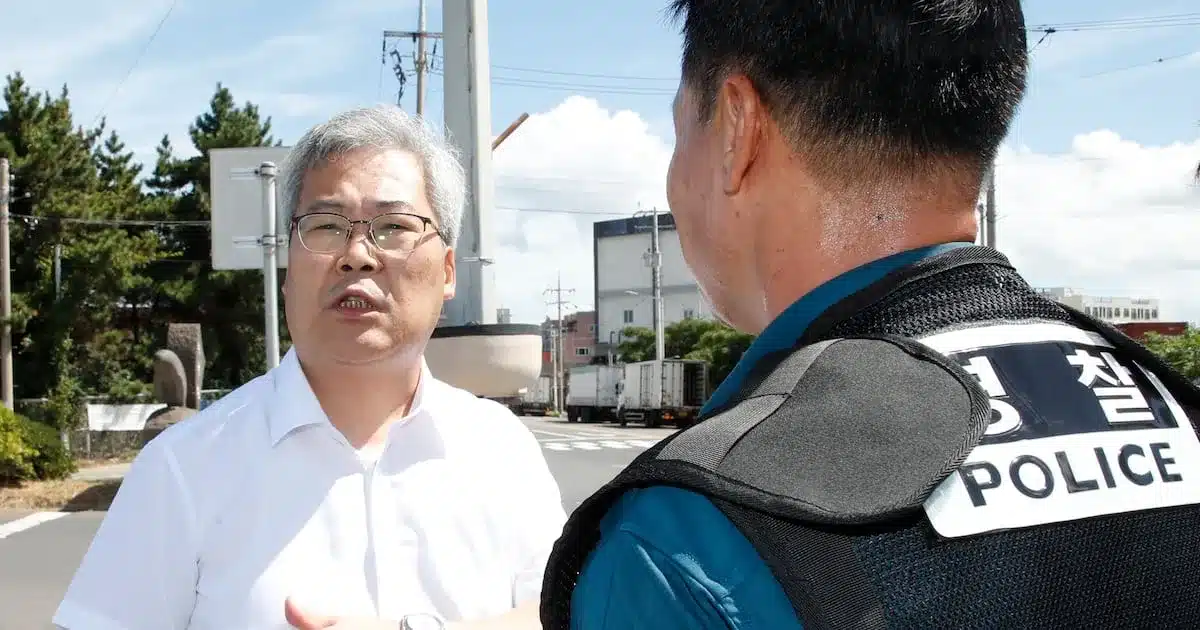
Hong Seok-gi, head of the National Investigation Headquarters at the Korean National Police Agency, has issued a public apology regarding the mishandling of the Jang Mi-ran missing person case in Jeju. On March 23rd, Hong stated, “It is a matter of shame for the nation,” and pledged to implement systemic improvements to prevent similar incidents from occurring again. He made these remarks to reporters after visiting the Jeju Provincial Police Agency.
Investigation into Misconduct in Jeju Missing Person Case
Hong emphasized the gravity of cases directly impacting citizens’ lives, stating, “We will thoroughly review the scene for any remaining uncertainties and correct the on-site command structure.” During his visit to the Jeju Provincial Police Agency, Hong received a detailed briefing on the investigation into the disappearance of Ms. Jang. This included a review of the investigation status and the circumstances surrounding the case. He also issued directives concerning related operational matters.
The initial report of Ms. Jang’s disappearance was filed in May. The officer in charge at the time was identified as Superintendent A. Investigations revealed that Superintendent A allegedly misled the reporting party, claiming Ms. Jang was not missing, for reasons yet to be fully clarified. Subsequently, Superintendent A is reported to have closed the case prematurely, falsely marking it as resolved. Furthermore, evidence suggests that records related to Ms. Jang’s missing person profile within the system were deleted.
Second Instance of Mishandling Revealed
Compounding the issue, it has come to light that another missing person case, involving an individual identified as Mr. B, was also allegedly mishandled and closed improperly by the same superintendent. Mr. B’s family had repeatedly attempted to contact him for three months without success before re-reporting his disappearance last month. Following this re-report, the police initiated a renewed investigation. Tragically, Mr. B was discovered deceased the day before Hong’s statement.
Systemic Failures and Future Reforms
The revelations have sparked significant public concern and criticism regarding the police’s handling of vulnerable individuals and the effectiveness of their investigative protocols. The Jeju Provincial Police Agency has initiated an internal review to ascertain the full extent of the misconduct and to identify all officers involved in the alleged cover-up or negligence.
Hong Seok-gi’s visit and subsequent apology signal a commitment from the National Police Agency to address these failures. The agency is reportedly exploring several avenues for systemic reform:
- Enhanced Training: Implementing more rigorous training for officers on handling missing person cases, with a particular focus on victim sensitivity and thorough investigation procedures.
- Supervisory Oversight: Strengthening the oversight mechanisms for investigations, ensuring that cases are not closed prematurely without conclusive evidence and proper authorization.
- Data Integrity: Reviewing and reinforcing protocols for maintaining accurate and complete records within the missing person database to prevent data manipulation or deletion.
- Accountability Measures: Establishing clearer lines of accountability for investigative errors and misconduct, ensuring that officers face appropriate consequences for negligence or deliberate misrepresentation.
- Community Feedback: Creating more robust channels for public feedback and complaints regarding police investigations, particularly in sensitive cases.
The investigation into Superintendent A is ongoing, with authorities looking into potential disciplinary actions and criminal charges. The National Police Agency has stated its intention to be transparent throughout this process and to keep the public informed of the findings and the reforms being implemented.
Public Reaction and Calls for Justice
The public response to the Jeju missing person case mishandling has been one of outrage and deep disappointment. Many citizens have taken to online forums and social media to express their frustration, questioning the reliability of the police force in protecting its citizens. The families of both Ms. Jang and Mr. B are reportedly seeking thorough investigations into the circumstances of their loved ones’ cases and demanding accountability for those responsible.
The apology from Hong Seok-gi is seen as a first step, but many are calling for concrete actions and visible changes to restore public trust. The focus now shifts to how effectively the police agency will implement the promised reforms and ensure that such tragic failures are not repeated. The outcome of the internal investigation and any subsequent legal proceedings will be closely watched by the public and advocacy groups alike.
Conclusion
The mishandling of the Jeju missing person cases has exposed critical flaws in the police’s operational procedures and oversight. The apology from the head of the National Investigation Headquarters, Hong Seok-gi, acknowledges the severity of the situation and the public’s distress. The commitment to systemic reform, including enhanced training, stricter oversight, and improved data management, is crucial. Moving forward, the Korean National Police Agency faces the significant challenge of rebuilding public confidence through transparent actions and a demonstrable commitment to justice and the safety of all citizens.
