

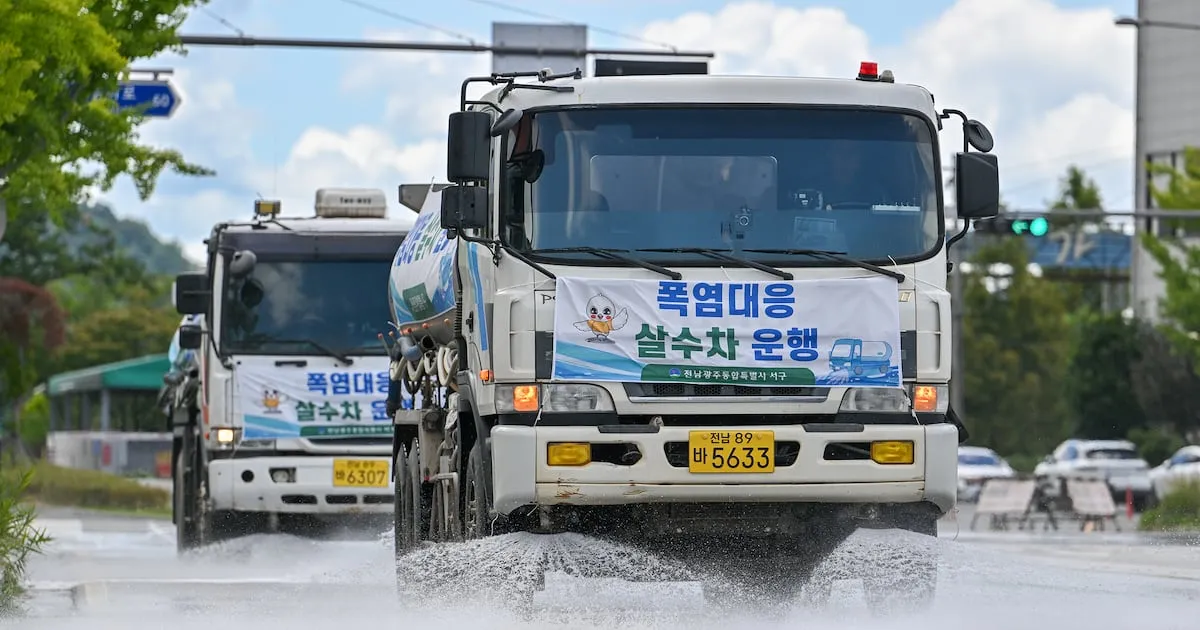
South Korea is grappling with an unprecedented heatwave, leading to a dramatic increase in heatstroke patients seeking emergency care. The nation’s meteorological records have been repeatedly broken as extreme temperatures persist, prompting a surge in emergency room visits for heat-related illnesses. On a single day, nearly 100 individuals were treated for heatstroke nationwide.
Sharp Rise in Heatstroke Incidents
According to the Central Disaster and Safety Countermeasures Headquarters under the Ministry of the Interior and Safety, 96 heatstroke patients were reported across approximately 500 emergency rooms nationwide on the previous day. This figure represents a significant escalation from earlier in the month. As recently as July 21st, daily heatstroke cases remained in the 20s. However, a clear upward trend emerged thereafter, with over 70 cases reported daily from July 25th onwards, culminating in the 96 cases recorded on the latest reporting day.
The cumulative number of heatstroke patients since the government began tracking these incidents on May 15th has now reached 1,889. Tragically, 14 deaths have been attributed to heatstroke this year. Fortunately, no new fatalities were confirmed on the most recent reporting day. The tally of livestock deaths due to the heat also remains substantial, with 432,450 animals having perished as of the last update, excluding figures from the holiday period which are still being compiled. The number of poultry deaths stands at 165,196.
Government Escalates Response to Extreme Heat
The government anticipates that the extreme heat, with peak perceived temperatures exceeding 35 degrees Celsius (95 degrees Fahrenheit), will continue across most of the country for the foreseeable future. Regions like Gyeongsang and Jeonnam are expected to experience even higher temperatures, with peak perceived temperatures potentially reaching 38 degrees Celsius (100.4 degrees Fahrenheit) or more, accompanied by persistent tropical nights.
As of 4 PM on the reporting day, heatwave warnings had been issued for 228 regions across the nation. Of these, 24 areas, including five in Jeonnam, two in Daegu, two in Gyeongbuk, and 15 in Gyeongnam, were placed under a severe heatwave advisory. Heatwave warnings were in effect for 154 regions, and heatwave advisories for 50 regions.
In response to the escalating heatwave and the subsequent increase in heatstroke cases, the Ministry of the Interior and Safety elevated the national disaster response level by two notches, effective from 1 PM on the reporting day. This move signifies an intensification of the government’s emergency response measures.
Understanding the Response Levels
The severe heatwave advisory (Level 2) is typically activated when conditions meet specific criteria, such as:
- Peak perceived temperatures exceeding 35 degrees Celsius persisting for more than four days in over 60% of the country’s land area.
- Or, peak perceived temperatures exceeding 38 degrees Celsius persisting for more than four days in 40% to less than 60% of the country’s land area.
This marks the first time the severe heatwave advisory has been activated in three years, since August 2023. It is the second time since heatwaves were officially classified as natural disasters in 2018.
Protecting Vulnerable Populations and Industries
The Ministry of the Interior and Safety has urged relevant ministries and local governments to strengthen protective measures for vulnerable populations, such as the elderly and those with pre-existing health conditions. Increased inspections of outdoor work sites are also being implemented to mitigate risks for workers.
Furthermore, the government has called for the strict implementation of measures to minimize damage in the agricultural, livestock, and fisheries sectors. These industries are particularly susceptible to the adverse effects of extreme heat, and proactive strategies are deemed essential to prevent significant losses.
The ongoing extreme weather underscores the critical need for public awareness regarding heat-related illnesses and the importance of taking precautions during periods of intense heat. Staying hydrated, avoiding strenuous outdoor activities during peak heat hours, and seeking cool environments are crucial steps individuals can take to protect themselves and their families.
