

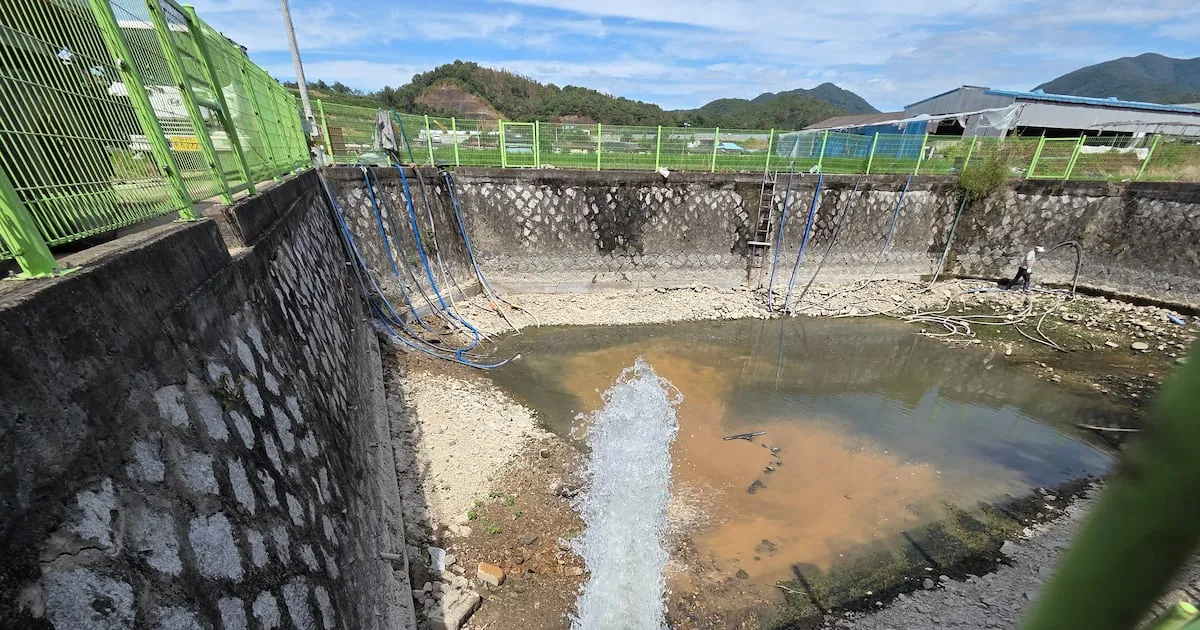
In response to an unprecedented drought gripping the Gyeongnam region, the National Fire Agency has declared a state of national disaster mobilization. Effective 8 PM on the 11th, the agency activated the National Firefighting Mobilization Order, dispatching nationwide firefighting resources to support the supply of agricultural and daily living water in Gyeongnam. This significant deployment underscores the severity of the water shortage impacting the province.
National Mobilization Order Explained
The National Firefighting Mobilization Order is a critical measure invoked when the firefighting capabilities of a specific city or province are insufficient to manage a disaster, necessitating national-level intervention. Its activation allows for the pooling of resources from across the country to address emergencies that exceed local capacity.
Following this order, 200 water trucks and approximately 400 firefighters from various city and provincial fire departments nationwide were deployed to Gyeongnam. These resources are scheduled to provide emergency water supply support until the 13th. The decision to mobilize these extensive resources was reportedly made in accordance with directives from President Lee Jae-myung, who urged the full utilization of administrative power to mitigate the impacts of extreme heat and drought.
Gyeongnam Faces Critical Water Scarcity
The Gyeongnam region is currently in a state of emergency due to the persistent drought. Data from the Agricultural Drought Management System (ADMS) indicates that the average water storage rate in Gyeongnam has plummeted to 33.5%, the lowest in the nation. This figure is alarmingly below the typical average for this period, standing at just 46.8% of the normal 72% rate, meaning it has not even reached half of the usual level.
Agricultural Water Shortages Widespread
The drought’s impact is acutely felt in the agricultural sector, with 17 out of Gyeongnam’s 18 cities and counties already experiencing agricultural water shortages. The severity of these shortages is categorized into four stages: Attention, Caution, Warning, and Severe. These stages are determined based on the average water storage rate compared to normal levels.
- Attention: Water storage below 70% of normal.
- Caution: Water storage below 60% of normal.
- Warning: Water storage below 50% of normal.
- Severe: Water storage below 40% of normal.
Currently, three cities and counties—Miryang, Geoje, and Ham-an—have reached the highest level of ‘Severe’ drought, with their water storage rates falling below 40%. This critical situation necessitates immediate and substantial intervention to prevent further agricultural losses and ensure basic water needs are met.
Broader Implications and Response
The extreme weather conditions, characterized by prolonged heatwaves and severe drought, have strained water resources across the country, but Gyeongnam is experiencing particularly acute challenges. The mobilization of national firefighting assets, including a large fleet of water trucks and personnel, signifies the government’s commitment to addressing the crisis. Firefighting water trucks, typically used for emergency response, are being repurposed to deliver potable and agricultural water to affected communities, highlighting the extraordinary nature of the current situation.
Officials are working to assess the full extent of the damage to crops and to implement measures to conserve remaining water resources. The deployment is not only aimed at immediate relief but also at preventing a complete collapse of the water supply system for both agricultural and domestic use. The prolonged dry spell has raised concerns about potential impacts on food security and the local economy, which heavily relies on agriculture.
The national response aims to provide a crucial buffer while longer-term solutions are considered. These may include water conservation campaigns, the exploration of alternative water sources, and infrastructure improvements to better withstand future droughts. The current situation serves as a stark reminder of the increasing vulnerability to climate change and the importance of robust disaster preparedness strategies.
Looking Ahead
The immediate focus remains on providing essential water supplies to Gyeongnam residents and farmers. The effectiveness of the deployed resources will be closely monitored, with potential for further action if the drought conditions persist or worsen. The coordinated effort by the National Fire Agency and local authorities reflects a unified approach to tackling this severe natural disaster. The long-term implications of such extreme weather events are prompting discussions about climate resilience and sustainable water management practices for the future.
