

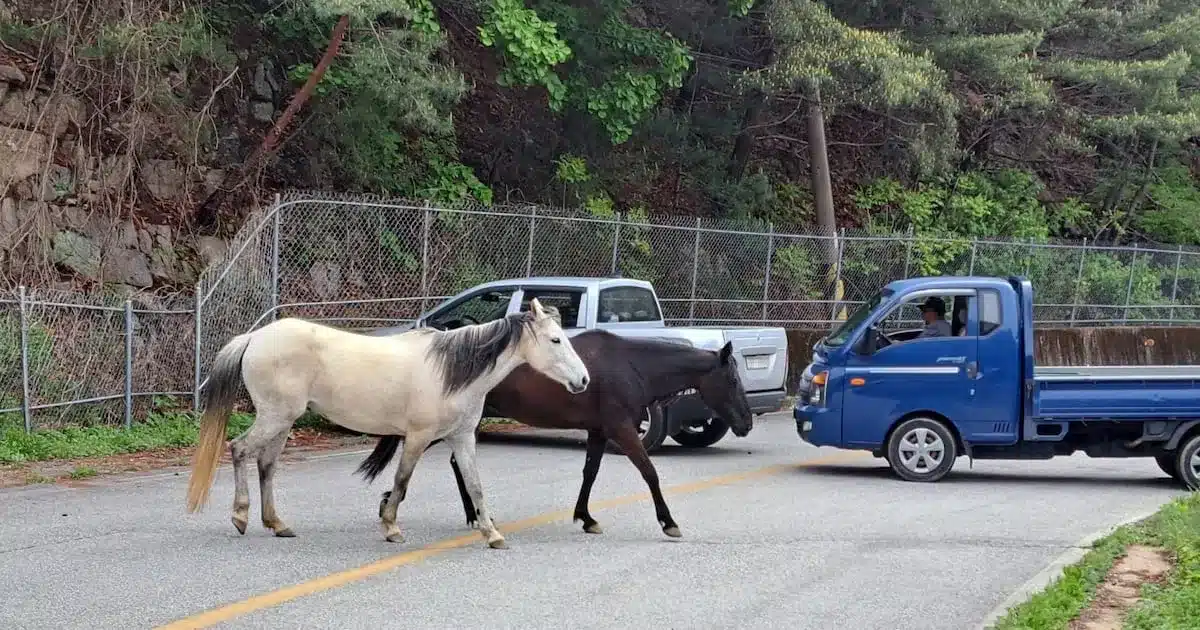
A farmer has received a one-year prison sentence for his negligence in managing horses, which led to a fatal accident involving a vehicle collision. The farmer appealed the initial ruling, but the appellate court upheld the sentence, citing repeated instances of inadequate animal care and a severe lack of oversight. The incident underscores the critical importance of responsible animal husbandry and the legal ramifications of failing to uphold safety standards.
Background of the Incident
The case revolves around an incident that occurred on December 19, 2022. The farmer, identified as Mr. A, aged 69, was accused of failing to properly secure a horse after unloading it from a trailer at his farm. According to court documents, the farm’s gate was left open, and the horse was not adequately restrained. This lapse in security allowed the horse to escape the premises and run onto a public road.
The Fatal Collision
Shortly after escaping, the horse collided with an oncoming vehicle. The occupant of the vehicle sustained serious injuries. Despite receiving medical treatment for approximately four months following the accident, the individual tragically passed away. The driver of the vehicle was also found to have been exceeding the speed limit at the time of the collision, with evidence indicating speeds over 30 km/h above the posted limit. However, the court focused on the farmer’s role in the horse’s escape as a primary contributing factor to the fatality.
Previous Warnings and Farmer’s Negligence
The court’s decision was significantly influenced by a history of similar incidents at Mr. A’s farm. Records indicate that over the two years preceding the fatal accident, there had been six previous reports of horses escaping from the farm. This pattern of repeated escapes led the court to conclude that the farmer’s negligence in horse management was severe and ongoing. The repeated occurrences demonstrated a persistent failure to implement adequate safety measures, despite prior warnings and incidents.
Additional Charges of Animal Cruelty
In addition to the charges related to the fatal accident, Mr. A faced further accusations concerning the welfare of other animals on his farm. Between September and October 2024, he reportedly discovered five horses that had collapsed due to symptoms of rabies on his property. He is alleged to have left these animals unattended for three to five days, during which time other horses on the farm were exposed to the deceased animals. This delay in addressing the situation and disposing of the carcasses properly raised concerns about potential animal cruelty and the spread of disease.
The Appeal and Sentencing
In the initial trial, Mr. A was sentenced to one year in prison for professional negligence and violating animal protection laws. He appealed this sentence, arguing that it was excessively harsh. However, the appellate court, presided over by Judge Hong Eun-ah, reviewed the case and upheld the original sentence. The court determined that the initial sentence was within the bounds of reasonable sentencing and was not disproportionately severe given the circumstances.
Court’s Rationale
The appellate court’s decision emphasized the gravity of the farmer’s repeated failures in animal management. The history of six prior escapes, coupled with the fatal consequences of the most recent incident, painted a clear picture of significant negligence. The court found that Mr. A’s actions, or lack thereof, directly contributed to the death of the vehicle’s occupant. Furthermore, the handling of the five deceased horses was seen as further evidence of a pattern of neglect and disregard for animal welfare and public safety.
Conclusion: Upholding Animal Welfare and Public Safety
The court’s final ruling serves as a stark reminder of the responsibilities that come with animal ownership, particularly for those operating farms or managing livestock. The sentence imposed on Mr. A reflects the legal system’s commitment to holding individuals accountable for negligence that results in harm to others. The case highlights the need for stringent adherence to animal welfare regulations and safety protocols to prevent tragic accidents and protect both animals and the public.
