

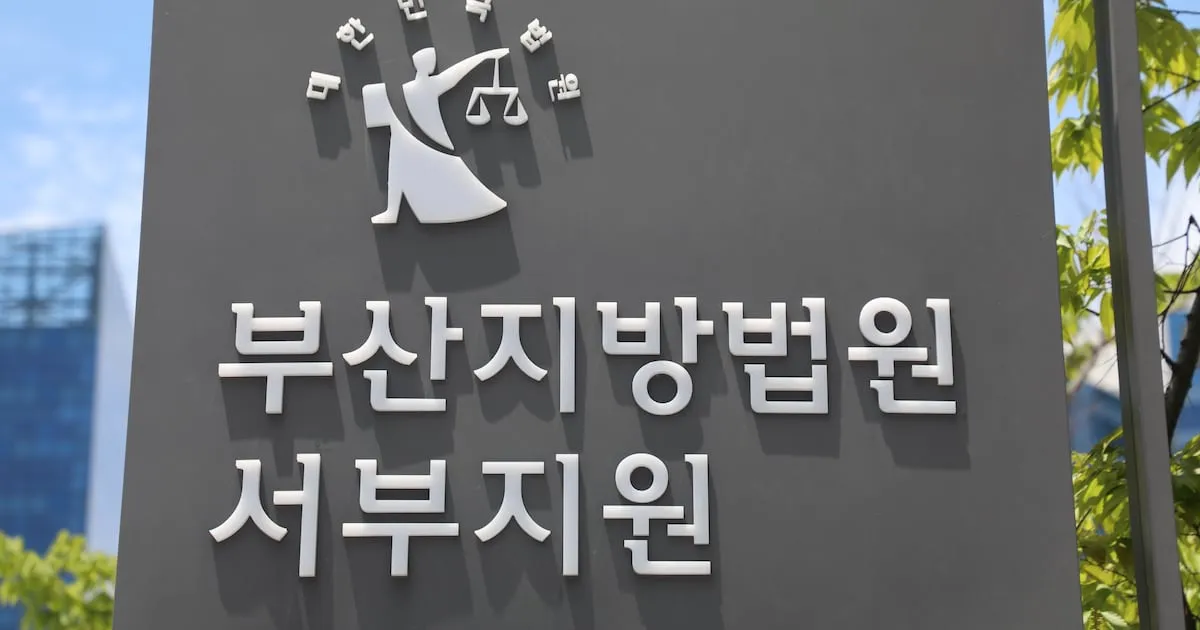
Three inmates in their twenties have been sentenced to nine years in prison for the severe assault and subsequent death of a fellow detainee at the Busan Detention Center. The fatal incident, which occurred last year, involved prolonged physical abuse inflicted upon the victim, identified as D, aged 24, by the three convicted individuals: A (22), B (21), and C (28). The Busan District Court handed down the sentences on the 13th, finding the defendants guilty of assault resulting in death.
Details of the Brutal Assault
The prosecution had initially sought 15-year sentences for the accused, arguing that the assaults were intentional and carried out with a high degree of recklessness that led to the victim’s demise. However, the court determined that while the actions were severe, it was difficult to definitively classify them as premeditated murder. Instead, the court applied charges related to causing bodily harm, leading to the nine-year sentences.
According to court documents and testimony, the assaults began around August and September of the previous year. The perpetrators targeted inmate D, citing issues such as poor hygiene and perceived minor infractions as justification for their violent actions. The abuse was reportedly systematic and prolonged, with the aim of leaving no visible marks on the victim.
Systematic Torture and Cover-up Attempts
Inmate A, reportedly associated with the violent organization Chilseongpa, joined the detention center in August. Shortly after, A, along with B and C, began a campaign of torture against D. This included acts such as using pliers to inflict pain on D’s toenails and striking his feet with objects like a book or a dinner tray, causing them to become dislodged.
The violence escalated on September 7th. The three inmates blindfolded D using his pants and a towel before subjecting him to repeated beatings on his abdomen. This prolonged assault caused D to lose consciousness and collapse.
Crucially, the perpetrators did not immediately report the unconscious inmate to the correctional officers. Instead, they attempted to manage the situation themselves, alternating between artificial respiration and chest compressions. It was only when a correctional officer conducted a routine check that they belatedly reported that D had suddenly collapsed in the restroom.
Court’s Reasoning and Sentencing Factors
During the trial, the court acknowledged the severity of the defendants’ actions but highlighted that the motivation appeared to stem from dissatisfaction with the victim’s behavior and lifestyle within the detention center. The court stated, “It appears the defendants assaulted the victim due to dissatisfaction with the victim’s living habits. It is difficult to find circumstances where this intent for assault or harm escalated to the level of murder.”
The court further elaborated on the lack of intent to kill, noting, “It is difficult to see the assault as having been carried out with a concrete awareness and consideration of the possibility of the victim’s death during the act.”
Despite this, the court cited several aggravating factors in its sentencing. These included the fact that the defendants committed further assaults and inflicted harm within the detention center, even while awaiting trial for other offenses. Their lack of remorse and prior criminal records were also taken into consideration. The court emphasized that the perpetrators’ repeated violent conduct and disregard for the victim’s well-being demonstrated a pattern of behavior that warranted a significant prison sentence.
Legal Proceedings and Verdict
The trial concluded with a hearing on the 6th of the previous month, where the court delivered its verdict. The prosecution’s request for 15 years was reduced to nine years for each of the three defendants. The court’s decision to classify the crime as causing bodily harm resulting in death, rather than murder, significantly impacted the length of the sentences.
The case underscores the challenges faced by correctional facilities in managing inmate violence and ensuring the safety and well-being of all individuals under their care. The court’s ruling reflects a careful consideration of the evidence, the defendants’ intent, and the tragic outcome for the victim.
Conclusion
The sentencing of the three inmates involved in the fatal assault at the Busan Detention Center serves as a stark reminder of the potential for extreme violence within correctional environments. While the court found insufficient evidence for premeditated murder, the nine-year sentences reflect the gravity of their actions and the devastating consequences for the victim and his family. The case highlights the ongoing need for robust security measures and vigilant oversight within detention facilities to prevent such tragedies.
