

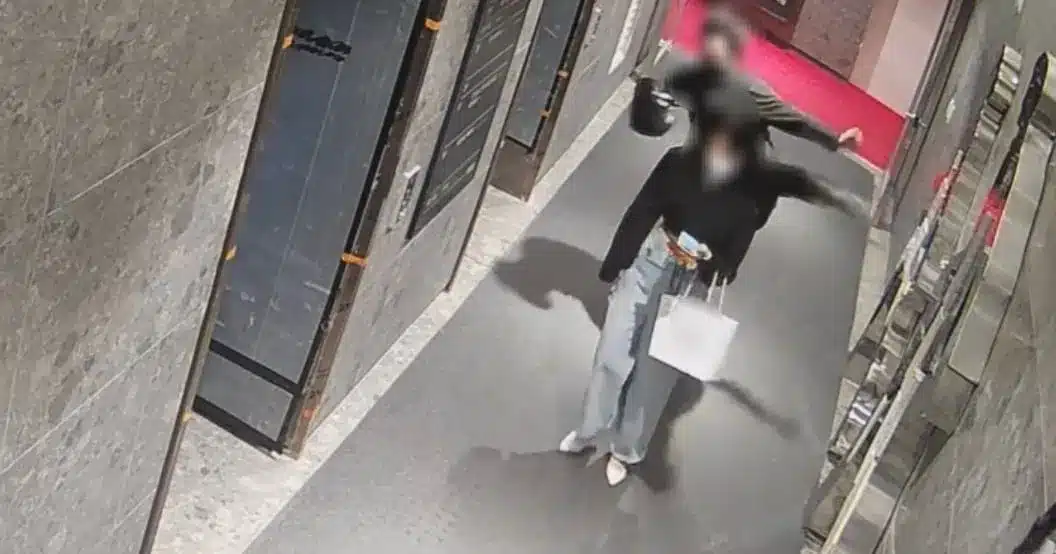
The South Korean government has completed the disbursement of 15 million won in national compensation to Ms. Kim, a victim of the “Busan assault case.” This payment comes approximately four months after a court ruling confirmed the state’s liability for damages. The delay in compensation was attributed to the depletion of the national compensation fund earlier than anticipated, a situation exacerbated by the current administration’s policy of broadly withdrawing or foregoing appeals in past state liability cases.
Background of the Busan Assault Case and Legal Proceedings
The incident occurred on May 22, 2022, when an unknown assailant, identified as Mr. Lee, attacked Ms. Kim from behind with the intent of sexual assault as she was returning home in Seomyeon, Busan. Mr. Lee was apprehended but later escaped during police investigation. However, during the appeal process, the prosecution’s supplementary investigation revealed evidence of attempted sexual assault. The victim’s injuries, initially treated as assault, were reclassified as severe assault due to the sexual assault attempt. Mr. Lee was subsequently sentenced to 20 years in prison by the Supreme Court in September 2023 and is currently serving his sentence.
Ms. Kim initiated a lawsuit against the state in March of the following year, seeking damages for the investigative authorities’ negligence during the initial police investigation. In February 2024, the Seoul Central District Court, presided over by Judge Son Seung-woo, ruled that the investigative agencies failed to take necessary measures despite strong suspicions of sexual assault. The court ordered the state to pay 15 million won in compensation.
The Ministry of Justice chose not to appeal the ruling on March 5, thereby finalizing the court’s decision and confirming the state’s responsibility.
Compensation Fund Shortfall and Government Response
Despite the court’s ruling in February and the Ministry of Justice’s decision to forgo an appeal in early March, it took over four months for Ms. Kim to receive her compensation. This delay was primarily due to the national compensation budget for the year being exhausted. The allocated budget for national compensation in 2024 was 144.8 billion won, but it was reportedly spent by March.
To address the shortfall and enable payments to victims like Ms. Kim, the Ministry of Justice negotiated with the Ministry of Economy and Finance in May. Following discussions, an additional 245.7 billion won was secured through a supplementary budget approved by the National Assembly. This allowed for the sequential disbursement of compensation to eligible individuals.
A representative from the Ministry of Justice explained that under the Enforcement Decree of the State Compensation Act, compensation is typically paid within one day of a claim being approved. However, when budget shortages occur, as they did recently, delayed payments are accompanied by interest.
Broader Implications of Policy Changes on Compensation
The early depletion of the national compensation budget is significantly influenced by the current administration’s policy of broadly withdrawing or foregoing appeals in state liability cases related to historical incidents. This approach aims to uphold the rights and interests of victims. Notable cases where appeals were dropped or withdrawn include those concerning the Hyeongje Support, Seon-gam Hakwon, Samcheong Education Institute, and the Yeosu-Suncheon 10.19 Incident.
This policy shift has led to a sharp increase in the amount of national compensation being paid out. According to the Ministry of Justice and the Ministry of Economy and Finance, the total disbursed amount for national compensation is projected to rise from 106.7 billion won in 2024 to 436.4 billion won in 2025. In the first half of 2024 alone, 333.7 billion won has already been disbursed.
As of the end of June 2024, the remaining balance in the national compensation budget was 56.8 billion won. However, the amount of compensation yet to be paid stands at approximately 180 billion won, indicating a substantial deficit.
A Ministry of Justice official stated that efforts are underway to secure additional reserve funds to cover the budget shortfall. Furthermore, the ministry is actively collaborating with the Ministry of Economy and Finance to advocate for an increased national compensation budget for the upcoming year.
Victim’s Perspective and Future Outlook
In a conversation, Ms. Kim expressed relief at finally receiving the compensation, albeit delayed. She highlighted that many other victims who have had the state’s responsibility acknowledged are also awaiting their payments, with no clear timeline. “It is fortunate to receive the compensation, even if late,” she said, “but other victims whose state liability has been recognized are also waiting for their payments without a clear timeframe. Recovery from the damage must be expedited.”
The situation underscores the challenges in managing national compensation funds, especially when policy changes lead to increased payouts and unforeseen budget constraints. The government is facing the task of balancing its commitment to victims’ rights with the practicalities of fiscal management.
Key Takeaways:
- The Busan assault victim received 15 million won in national compensation after a four-month delay.
- The delay was caused by the depletion of the 2024 national compensation budget.
- The current administration’s policy of not appealing past state liability cases has increased compensation payouts.
- An additional budget was secured to cover outstanding payments, but a significant deficit remains.
- Victims’ advocates emphasize the need for timely compensation and support for recovery.
