

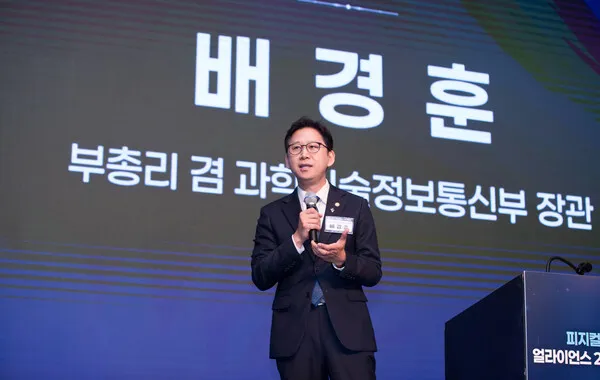
A pivotal meeting is scheduled to convene on July 22nd, bringing together Baek Kyung-hoon, the Minister of Science and ICT, and the chief executive officers of South Korea’s three major telecommunications companies. The primary agenda for this second consultative session is to deliberate on strategies for fostering the growth of the Artificial Intelligence Data Center (AIDC) industry. This gathering follows an initial meeting held in April, where participants agreed to establish a quarterly consultative body to ensure ongoing dialogue and collaboration.
Advancing the AIDC Sector: A Collaborative Effort
The upcoming meeting, slated to take place at the SK Telecom headquarters in Jung-gu, Seoul, signifies a concerted effort to align government policy with industry needs. The session will feature key leaders from the telecommunications sector, including Jeong Ho-seok, CEO of SK Telecom; Park Yoon-young, CEO of KT; and Hong Beom-sik, CEO of LG Uplus. Their participation underscores the importance of this initiative for the nation’s technological advancement.
During the meeting, the Ministry of Science and ICT is expected to outline the government’s policy direction and vision for nurturing the AIDC industry. This will likely involve detailing incentives, regulatory frameworks, and support mechanisms designed to encourage investment and innovation. In turn, the telecommunications giants are poised to present their perspectives from the front lines of the industry. They will share insights into current market dynamics, technological challenges, and practical recommendations for policy adjustments.
A Structured Approach to Industry Development
The consultative body’s operational framework was shaped by a proposal from Minister Baek Kyung-hoon, who suggested a rotating chairmanship among the three telecommunications companies. This approach aims to ensure equitable participation and shared responsibility in driving the AIDC industry forward. Following this agreement, SK Telecom has taken the lead as the first company to host and chair these crucial discussions.
The AIDC industry is rapidly emerging as a critical infrastructure for the digital economy. These specialized data centers are designed to handle the immense computational demands of artificial intelligence, machine learning, and big data analytics. As AI technologies become increasingly integrated into various sectors, from autonomous driving and healthcare to finance and entertainment, the need for robust and scalable AIDC infrastructure becomes paramount.
The Strategic Importance of AI Data Centers
South Korea, already a global leader in digital infrastructure and connectivity, aims to leverage its strengths to become a powerhouse in the AIDC sector. The government recognizes that a thriving AIDC ecosystem is essential not only for domestic technological innovation but also for attracting foreign investment and enhancing national competitiveness on the global stage. The development of AIDC is seen as a key enabler for future industries and a driver of economic growth.
The collaboration between the government and the private sector is crucial for navigating the complexities of AIDC development. Key areas of discussion are expected to include:
- Infrastructure Investment: Strategies to encourage significant investment in building and expanding AIDC facilities, including considerations for power supply, cooling systems, and network connectivity.
- Technological Innovation: Fostering research and development in AI-specific hardware and software, as well as advanced data processing techniques.
- Regulatory Environment: Streamlining regulations and creating a supportive policy landscape that facilitates the deployment and operation of AIDC, while addressing concerns related to data privacy and security.
- Talent Development: Initiatives to cultivate a skilled workforce capable of managing and innovating within the AIDC sector.
- Energy Efficiency and Sustainability: Addressing the significant energy consumption of data centers through the adoption of green technologies and sustainable operational practices.
The telecommunications companies, with their extensive experience in network infrastructure and data management, are expected to play a central role in the physical build-out and operation of these advanced data centers. Their expertise in areas like 5G connectivity, cloud computing, and cybersecurity will be invaluable in creating a resilient and high-performance AIDC ecosystem.
Looking Ahead: A Roadmap for AIDC Growth
The establishment of a regular consultative body signals a long-term commitment to addressing the evolving needs of the AIDC industry. By fostering open communication and strategic alignment between government policymakers and industry leaders, South Korea aims to create a dynamic and competitive environment for AI data center development. This proactive approach is expected to accelerate the adoption of AI technologies across the economy, driving innovation and creating new opportunities for growth.
The discussions are anticipated to lay the groundwork for concrete policy measures and industry-led initiatives. The success of these efforts will be critical in positioning South Korea at the forefront of the global AI revolution, ensuring that the nation can harness the full potential of artificial intelligence for economic prosperity and societal advancement.
The ongoing dialogue between Minister Baek Kyung-hoon and the CEOs of SK Telecom, KT, and LG Uplus represents a significant step towards solidifying the nation’s capabilities in the critical field of artificial intelligence data centers. The commitment to regular consultations highlights a shared vision for a future where advanced data infrastructure fuels technological progress and economic competitiveness.
