

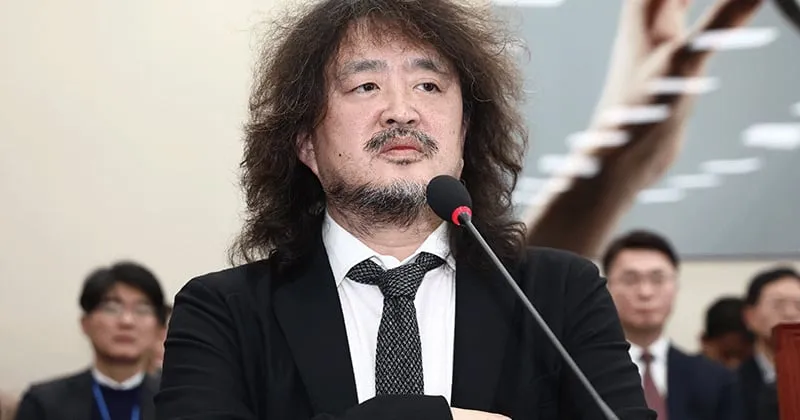
YouTuber Kim Eo-jun has sparked controversy with his remarks regarding the media’s extensive coverage of the Jang Gyu-gi incident. Kim asserted that the incident, while problematic in itself, is being disproportionately amplified by the media to fuel a narrative against the investigative powers of prosecutors.
Kim Eo-jun’s Claims on Media Narrative
In a video posted on his YouTube channel on July 9th, Kim questioned the intense media focus on the Jang Gyu-gi case. He stated, “This is the kind of incident that happens a few times a year, so why is it being reported so extensively?” Kim observed that over the past week, the incident had dominated headlines across nearly all news outlets.
He further elaborated, suggesting a deliberate framing of the issue. “It seems like the narrative being pushed is that the police made mistakes, prosecutors need investigative powers, and this incident is a consequence of that,” Kim claimed. He posited that the underlying intention is to argue against the abolition of prosecutors’ supplementary investigation rights, stating, “They are creating public opinion to argue that supplementary investigation rights should not be abolished, using Jang Gyu-gi as the example.” Kim characterized this as a “grand frame” suggesting that “because supplementary investigation rights exist, Jang Gyu-gi could be caught, but the Democratic Party is trying to abolish these rights so Jang Gyu-gi can escape.”
Political Reactions to Kim’s Statements
The People Power Party (PPP) swiftly condemned Kim’s remarks, labeling them as “absurd.” Park Sung-hoon, the PPP’s chief spokesperson, issued a statement on July 11th criticizing the comments as “beastly and savage behavior” that exploits the tragedy of the victim and their family for partisan gain.
Park argued that if such a grave incident occurs multiple times a year in South Korea, as Kim suggested, it would be a compelling reason to strengthen, not abolish, prosecutors’ investigative powers. He added, “Even for a conspiracy theorist, one must not abandon the minimum ethics and decency that humans should uphold.”
Legislative Push to Reform Prosecutors’ Powers
The Democratic Party of Korea has been actively pursuing the abolition of prosecutors’ supplementary investigation rights. On July 10th, the party’s Legislation and Judiciary Committee’s Subcommittee 1 began deliberations on a bill to amend the Criminal Procedure Act, aiming to eliminate these powers.
The Democratic Party intends to pass the amendment before a party convention scheduled for August 17th. However, the legal community has expressed opposition to the complete abolition of these rights.
Organizations such as the Lawyers for a Democratic Society (Minbyun) and the Korean Bar Association have voiced concerns. The Korean Bar Association stated, “In cases concerning people’s livelihoods, prosecutors should be allowed direct supplementary investigations.” They cited the Jang Gyu-gi incident as a prime example of the necessity of these powers, arguing that without them, critical judicial errors and factual misrepresentations could have gone unaddressed.
Calls for Partial Retention of Powers
Even within the Democratic Party, there are calls for retaining some level of supplementary investigation authority. Representative Hong Gi-won of the Democratic Party is reportedly preparing a bill that would allow prosecutors to exercise supplementary investigation rights in specific circumstances, such as cases involving vulnerable individuals, matters of public livelihood, imminent statute of limitations, or at the request of victims.
The debate highlights the deep divisions surrounding the role and powers of the prosecution service in South Korea, with the Jang Gyu-gi incident becoming a focal point in the ongoing legislative and public discourse.
