

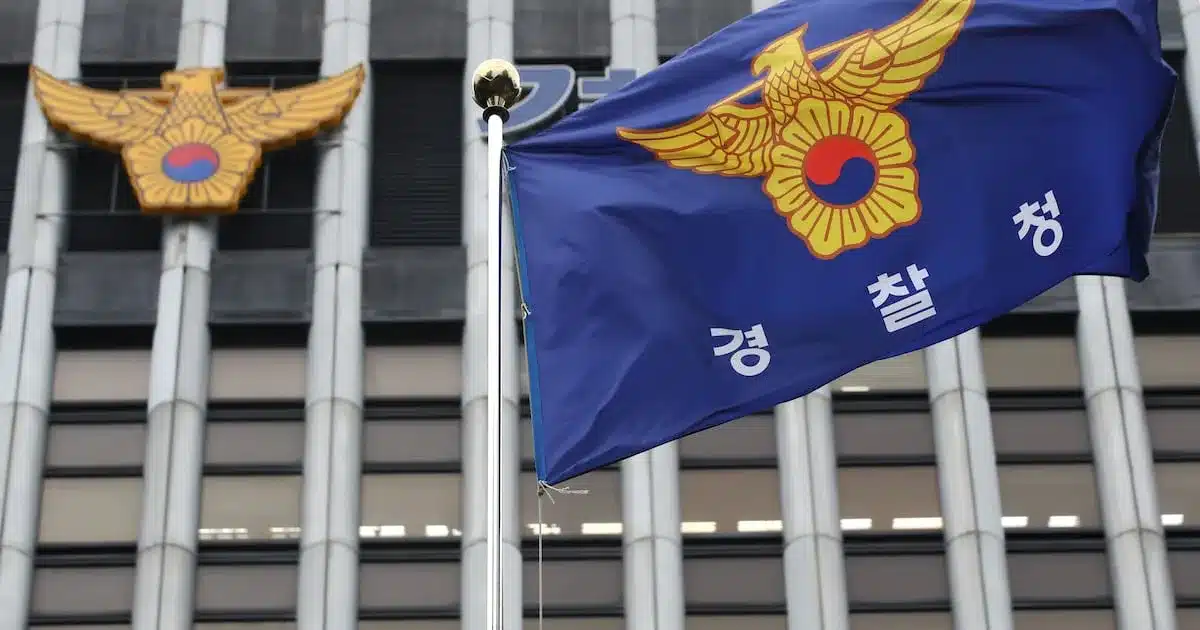
In response to public outcry and allegations of mishandling investigations, the national police agency is establishing a new task force and an internal affairs investigation unit. These initiatives aim to bolster public confidence in police investigations and prevent similar controversies from recurring. The move comes in the wake of the ‘Jang Yoon-gi incident,’ which involved accusations of improper investigation and evidence tampering concerning the death of a female student in Gwangju.
Addressing Public Concerns Over Police Investigations
The police agency announced on the 9th that it would create a ‘New Task Force for Enhancing Police Investigation Trust’ (referred to as the ‘New TF’) and a dedicated ‘Internal Affairs Investigation Unit.’ This decision stems from the significant public criticism and debate surrounding the handling of the Jang Yoon-gi case. The agency stated its commitment to developing stringent measures to prevent the recurrence of similar incidents and to improve the overall integrity of its investigative processes.
The Role and Composition of the New Task Force
The New TF is tasked with a comprehensive review of the entire police investigation system. Its primary objective is to identify weaknesses and propose concrete measures to rebuild public trust. A key aspect of this initiative is the planned appointment of an external figure as the head of the task force. Furthermore, a majority of the task force members will also be drawn from outside the police force. This diverse composition is intended to ensure an objective and impartial assessment of current practices.
To gather a wide range of perspectives and identify potential issues across the country, the New TF plans to conduct a thorough survey of all police stations nationwide. This survey will focus on identifying cases with similarities to the Jang Yoon-gi incident, aiming to uncover any systemic problems or patterns that may have contributed to the controversy. The goal is to preemptively address any potential misconduct or procedural errors before they escalate.
Establishing a Dedicated Internal Affairs Unit
In parallel with the New TF, the police agency is also establishing a new Internal Affairs Investigation Unit. This unit will operate directly under the National Investigation Headquarters, signaling a serious commitment to tackling internal corruption and misconduct. The agency emphasized that this unit will be empowered to deal sternly with any instances of internal impropriety, ensuring accountability at all levels.
The establishment of this unit is a direct response to the public’s demand for greater transparency and accountability within the police force. By creating a specialized body focused on internal investigations, the agency hopes to demonstrate its resolve to maintain the highest ethical standards and professional conduct among its officers.
Leadership Meeting to Discuss Implementation
The Commissioner General of the National Police Agency, who is cutting short an overseas trip to return to Korea, is scheduled to hold a meeting with senior police officials on the 10th. This high-level meeting will focus on discussing the specifics of these new initiatives, including the operational details of the New TF and the Internal Affairs Investigation Unit. The agenda will likely cover the recruitment of external members, the scope of their investigations, and the timeline for implementing proposed reforms.
According to an agency spokesperson, the Commissioner General intends to use this meeting to express the leadership’s commitment to implementing these changes effectively. The spokesperson added that the agency plans to seek the cooperation and active participation of police officials at all ranks to ensure the success of these trust-building efforts. The agency hopes that these proactive steps will reassure the public and restore faith in the police’s ability to conduct fair and impartial investigations.
Background of the Jang Yoon-gi Incident
The Jang Yoon-gi incident, often referred to as the ‘Gwangju female student murder case,’ gained significant public attention due to serious allegations surrounding the police investigation. Critics pointed to potential mishandling of evidence, procedural irregularities, and a lack of transparency throughout the investigation process. These concerns fueled public distrust and led to widespread calls for reform within the police agency.
The controversy highlighted the critical need for robust oversight mechanisms and clear protocols to ensure the integrity of police investigations. The public’s reaction underscored the importance of maintaining public confidence, which is essential for the effective functioning of law enforcement. The agency’s decision to form the New TF and the internal affairs unit can be seen as a direct response to these pressing concerns, aiming to address the root causes of the public’s skepticism.
Moving Forward: Rebuilding Trust and Ensuring Accountability
The establishment of the New TF and the Internal Affairs Investigation Unit represents a significant step by the police agency to confront the challenges of public trust. By involving external experts and creating a dedicated unit for internal oversight, the agency is signaling a commitment to transparency and accountability. The success of these initiatives will depend on their effective implementation and the genuine willingness of the police force to embrace reform.
The coming weeks and months will be crucial as these new bodies begin their work. The public will be watching closely to see if these measures lead to tangible improvements in investigative practices and a restoration of confidence in the police. The agency’s proactive approach, driven by the need to address the fallout from the Jang Yoon-gi incident, aims to set a new standard for police conduct and public service.
