

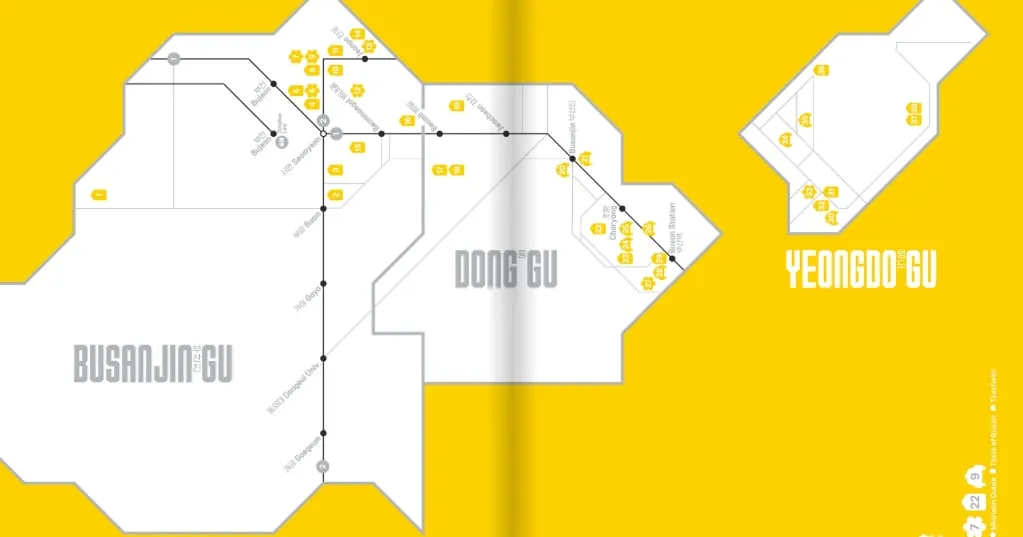
Busan Metropolitan City has officially released the ‘2026 Taste of Busan’ guide, a comprehensive culinary map designed to showcase the region’s representative eateries. This initiative aims to support both local residents and tourists in exploring Busan’s vibrant food scene. The guide, which goes beyond simple restaurant listings, integrates public transportation routes, specifically subway lines, and provides mobile navigation features to enhance the ‘foodie tour’ experience for visitors.
Comprehensive Culinary Guide for Visitors and Locals
The ‘2026 Taste of Busan’ guide is structured into six distinct zones, reflecting the city’s administrative divisions: Geumjeong, Dongnae, Yeonje; Haeundae, Gijang; Busanjin, Dong, Yeongdo; Suyeong, Nam; Gangseo, Buk, Sasang; and Saha, Seo, Jung. Each zone features a curated selection of restaurants, presented in a set format. A detachable, sticky map is affixed to the back of the guide, allowing users to easily reference locations.
The selection process for the restaurants included in the guide is rigorous. It features establishments recommended by the ‘Michelin Guide,’ a city-supported and operated culinary guide, along with other highly-regarded Busan eateries and selected taxi stands known for their excellent service and local knowledge. Each entry within the guide provides essential details such as the restaurant’s name, menu highlights, address, contact information, and unique characteristics that set it apart.
Integrated Navigation and Digital Accessibility
The front of the map is designed for intuitive understanding, utilizing subway lines as a base to visually represent the locations of recommended restaurants within each zone. Icons and numerical markers allow users to quickly grasp the geographical distribution of these culinary hotspots. Furthermore, the guide incorporates QR codes that, when scanned, link directly to the official Busan tourism portal, ‘Visit Busan’ (visitbusan.net), as well as popular mapping services like Naver Maps and Google Maps. This integration ensures seamless access to mobile navigation services, making it easier for visitors to find their way to the featured restaurants.
To cater to a diverse audience, the ‘Taste of Busan’ guide has been produced in four languages: Korean, English, Japanese, and Chinese. Initially, the Korean and English versions are being distributed. The Japanese and Chinese versions are available online, providing accessibility to a wider international audience.
Promoting Busan’s Culinary Identity
Busan, a major port city in South Korea, is renowned for its fresh seafood, diverse street food, and unique regional dishes. The city government’s initiative to create and distribute this official food guide underscores its commitment to leveraging its rich culinary landscape as a key attraction for tourism. By consolidating information and providing practical tools for navigation, the ‘2026 Taste of Busan’ guide aims to enhance the overall visitor experience and encourage exploration of the city’s gastronomic offerings.
Key Features of the ‘2026 Taste of Busan’ Guide:
- Zonal Organization: The city is divided into six distinct culinary zones for easier exploration.
- Restaurant Curation: Features a selection of highly-rated restaurants, including those recognized by the Michelin Guide.
- Integrated Map: A detachable, sticky map is included, with restaurant locations clearly marked.
- Subway Line Integration: Map design is based on subway lines for intuitive navigation.
- Digital Connectivity: QR codes link to the Visit Busan portal and popular mobile mapping services.
- Multilingual Support: Available in Korean and English, with Japanese and Chinese versions accessible online.
Enhancing the Tourist Experience
The ‘2026 Taste of Busan’ guide is more than just a list of restaurants; it’s a tool designed to facilitate a deeper engagement with the city’s culture through its food. By providing clear, accessible information and practical navigation aids, the Busan Metropolitan City hopes to encourage visitors to venture beyond typical tourist spots and discover the authentic flavors that define Busan. This initiative is expected to boost local businesses, particularly restaurants, and contribute to Busan’s reputation as a top culinary destination in South Korea.
The distribution of the guides is being carried out through various channels, including tourist information centers, hotels, and potentially other high-traffic areas frequented by tourists. The city anticipates that this comprehensive resource will become an indispensable companion for anyone looking to embark on a delicious journey through Busan.
