

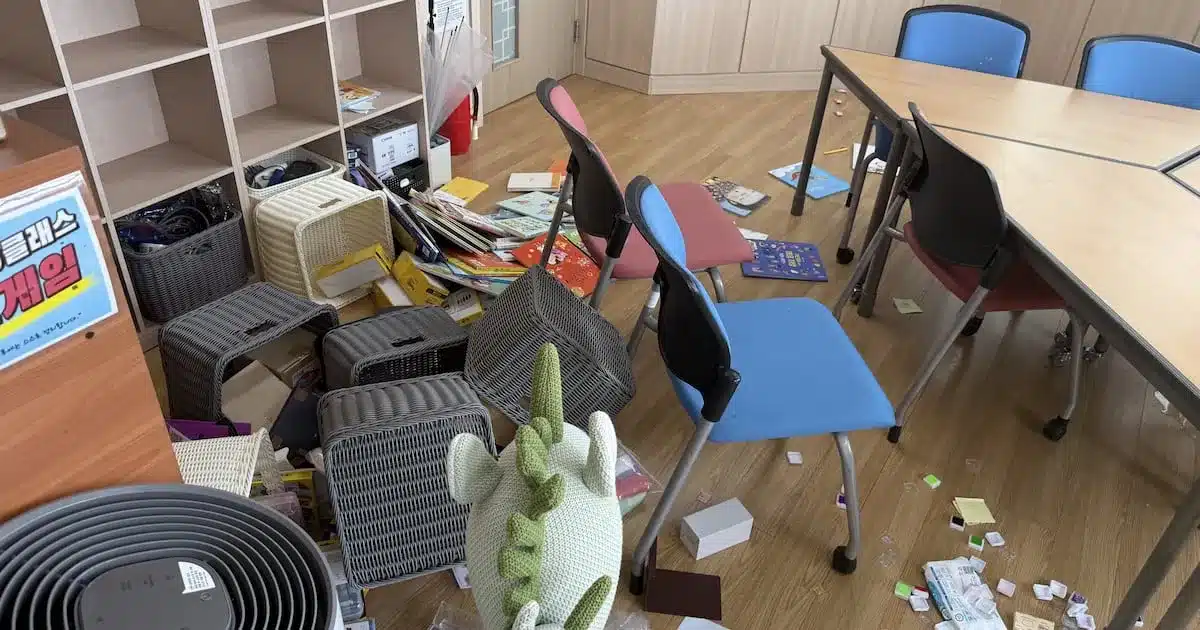
The number of teachers purchasing private insurance to protect themselves against classroom incidents has surged dramatically, with enrollment increasing sevenfold over the past eight years. This trend reflects a growing concern among educators about their rights and safety in the face of increasingly challenging school environments.
Escalating Classroom Conflicts Drive Insurance Demand
One case that highlights the severity of the issue involved a primary school teacher, identified as Ms. A, who was on medical leave due to a traffic accident. During her absence, a student-related incident occurred in her class. Both the parents of the victimized student and the parents of the student responsible for the harm contacted Ms. A. The former accused her of inadequate supervision, while the latter resorted to verbal abuse, questioning her competence. Ms. A reported the incidents to the education authorities, leading to the formation of a teacher rights protection committee. However, the outcome was merely a written apology from the parents. Ms. A expressed her fear, stating, “I was so scared when the parents turned into monsters in front of the problem.”
These incidents are not isolated. Last year alone, 4,034 cases involving violations of teachers’ rights were brought before protection committees. This averages to about 22 cases per school day, assuming a 180-day school year. Experts believe the actual number of incidents is significantly higher, as many teachers choose not to report or pursue cases due to the emotional toll and perceived lack of effective recourse.
‘Teacher Rights Insurance’ Offers Financial Protection
In response to the escalating number of classroom disputes and potential legal battles, teachers are increasingly turning to private insurance policies for financial protection. The “Hana Deok Teacher Peace of Mind Insurance” has seen a remarkable surge in its subscriber base. As of last month, the policy had 9,312 enrollees. After a modest growth of around 1,000 new subscribers annually since its launch in 2016, the number of sign-ups surpassed 8,000 in 2023, coinciding with a more pronounced period of teacher rights concerns. The policy provides financial compensation when educational activities are disrupted and teacher rights committees issue rulings.
Beyond direct classroom conflicts, the insurance also covers legal expenses for teachers involved in civil or administrative lawsuits. It offers up to 15 million won for legal fees if a teacher is caught in a civil or administrative dispute. Furthermore, it provides up to 5 million won for lawyer fees if a teacher faces criminal charges related to allegations of child abuse.
Teachers’ Loss of Faith in Official Protection
Educators and industry observers suggest that this trend indicates a growing distrust among teachers in the existing protection mechanisms provided by the government and education authorities. A recent survey conducted by the Seoul Teachers’ Union among 883 teachers in the Seoul metropolitan area revealed that 54% of respondents felt that the education authorities’ policies for protecting teachers’ rights had not changed. Only 25% reported feeling any practical protection.
This sentiment suggests that many teachers feel they are left to fend for themselves, leading them to seek private solutions for security and peace of mind. The rising enrollment in teacher rights insurance policies is a clear indicator of this shift, reflecting a desire for tangible support in an increasingly complex and often adversarial educational landscape.
