

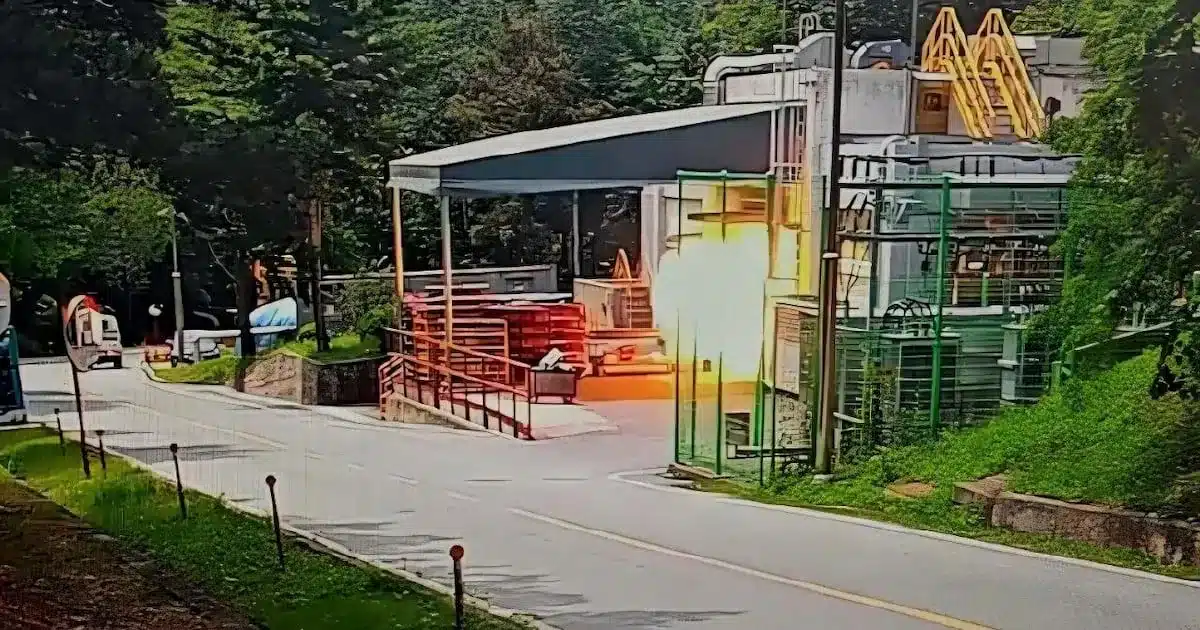
Authorities are investigating the possibility that the fatal explosion at Hanwha Aerospace’s facility originated within a cleaning tank, a development that has shifted the focus of the ongoing probe. The incident, which resulted in seven casualties including five fatalities, has prompted a detailed examination of the operational procedures at the Daejeon plant.
Explosion Origin Under Scrutiny
The Daejeon Metropolitan Police Agency’s Major Crimes Division revealed that they have obtained testimony from the person responsible for cleaning the machinery. This individual stated that they were in the process of cleaning the internal tank of the cleaning equipment when the explosion occurred. This account suggests the blast may have begun inside the tank, rather than externally.
The facility where the explosion took place, Building 56, is designed for the post-shipment processing of components. The process involves dismantling parts like hulls and valves, then extracting sludge from the tanks using specialized tools. Following this initial removal, a high-pressure cleaning process is employed for further refinement.
Details of the Cleaning Process
According to investigators, the tank suspected to be the origin point of the explosion is a rectangular structure made of metal, situated inside the high-pressure cleaning machinery. The testimony indicates that workers were actively engaged in cleaning this tank at the time of the incident.
While external components of the cleaning machinery are handled by an outside contractor, the internal cleaning of the machinery itself has historically been the responsibility of Hanwha Aerospace employees. This division of labor is a key aspect being examined by investigators.
Evidence Collection and Forensic Analysis
In the aftermath of the explosion, investigators secured a total of 17 items from the scene, believed to have been used in the tank cleaning process. These items have been submitted to the National Forensic Service for detailed examination. The results of this forensic analysis are expected to provide crucial insights into the cause of the explosion, including potential negligence during the operational procedures.
The police have currently detained the manager of Hanwha Aerospace’s Daejeon branch on suspicion of occupational negligence resulting in death. This detention is part of a broader investigation into the circumstances surrounding the accident.
Labor Ministry’s Involvement
The Ministry of Employment and Labor has also launched its own parallel investigation. The company’s Daejeon plant has been detained under suspicion of violating the Occupational Safety and Health Act. Furthermore, the CEO of the company has been detained on suspicion of violating the Serious Accidents Punishment Act.
These actions by the labor authorities underscore the seriousness of the safety violations that may have contributed to the tragedy. The investigation will aim to determine the extent of compliance with safety regulations and identify any systemic failures that could have prevented the explosion.
Ongoing Investigation and Future Steps
The investigation is proceeding on multiple fronts, with law enforcement and labor authorities working to piece together the events leading up to the explosion. The focus on the internal cleaning process suggests a potential breakdown in safety protocols or equipment malfunction during a critical operational phase. Authorities are committed to a thorough examination to ensure accountability and prevent future occurrences.
The company, Hanwha Aerospace, is cooperating with the authorities in the investigation. The findings from the forensic analysis and witness testimonies will be critical in determining the precise cause of the explosion and any contributing factors related to operational procedures and safety management.
