

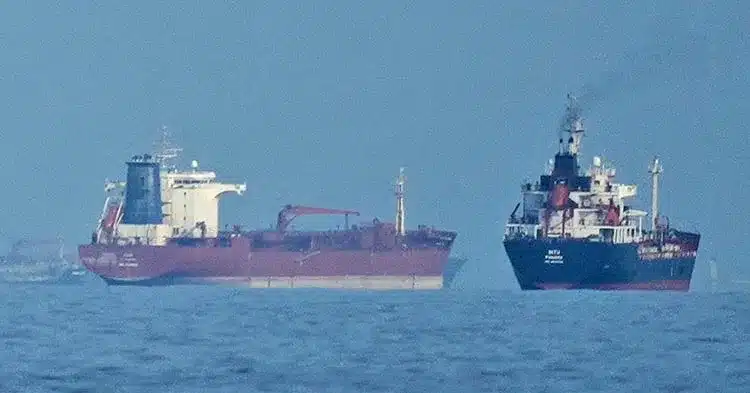
Full inspections at major South Korean ports for tankers navigating the Strait of Hormuz have triggered a rebound in oil import volumes, despite substantial costs for companies due to delays and non-compliance issues.
Ports report acute manpower shortages from the abrupt surge in shipments, forcing operators to run extended routes and deploy alternatives. This results in widespread delays for businesses relying on these paths.
Analysis of April and May import declarations reveals companies incurred a total burden of 112.3 billion won.
Government Launches Task Force
The Ministry of Oceans and Fisheries activated a special task force on July 7 focused on managing full inspections at central ports. The initiative emphasizes comprehensive checks and individualized screening of affected vessels.
Officials aim to curb imports through non-major ports further, building on an 8.5 percentage point decline in such volumes during March and April compared to the previous year.
Shifts in Crude Oil Sources
Imports from non-primary suppliers like Ecuador, the Democratic Republic of Congo, Australia, and Malaysia have decreased sharply. Canada Alberta crude remains the top clearance volume, benefiting from a free trade agreement tariff cut from 3% to 0%.
The government notified Alberta authorities of these exemptions. Meanwhile, Malaysia’s share has risen amid the changes.
Without concentrated sourcing, importers must turn to non-FTA countries for half their needs, escalating costs. Malaysia dominates with an average 184-day reliance period, far exceeding Vietnam’s 57 days and the Philippines’ 3 days.
Support Measures and Risk Management
Authorities are reviewing import support for Australian condensate, a viable naphtha substitute with limited availability. Until inspections conclude fully, high-risk crude and LNG carriers face targeted scrutiny.
Non-competitive import routes show no volume reductions, as alternative options remain constrained.
