

The US Navy has initiated Project Freedom, a ship protection operation in the Strait of Hormuz, marking the first such mission since 1987. Launched on May 4 local time, the effort aims to secure commercial shipping amid rising drone threats in the Persian Gulf region.
Operation Overview
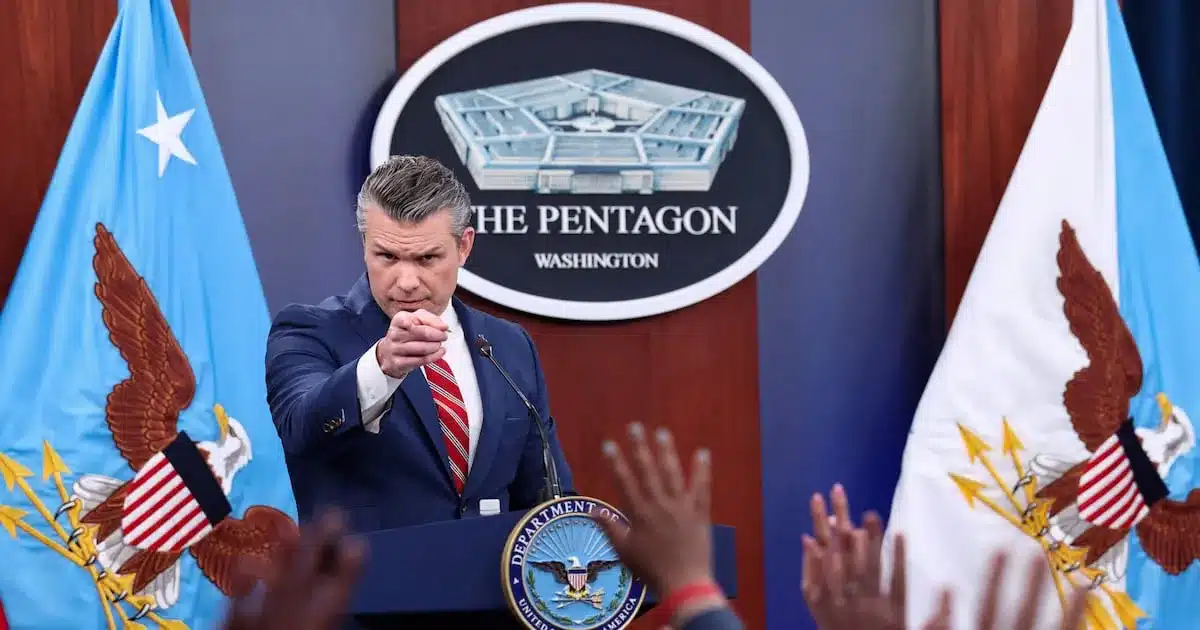
Pete Hegseth, US Defense Secretary, confirmed the deployment during a briefing on May 5 local time. “Under President Trump’s directive, US Central Command is executing Project Freedom to support the resumption of commercial operations in the Strait of Hormuz,” he stated. Pentagon spokesperson Dane Caine described it as a “defensive, limited, and temporary operation.”
The mission establishes an enhanced security area deep into the strait. US forces monitor over 1,550 merchant vessels carrying approximately 22,500 crew members. More than 15,000 US personnel, along with around 100 drones, surveillance aircraft, helicopters, and electronic warfare assets, conduct 24-hour patrols.
Historical Comparison to Earnest Will
This operation echoes Operation Earnest Will from 1987, when the US escorted Kuwaiti tankers during the Iran-Iraq War. Iran had attacked the vessels with mines after Iraq targeted them. The US reflagged 11 Kuwaiti ships and ensured safe passage, preventing further Iranian strikes.
Key incidents included the minesweeper USS Bridgeton striking a mine on July 24, 1987, and the frigate USS Samuel B. Roberts hitting one in April 1988. These led to Operation Praying Mantis, where US forces sank Iranian vessels in retaliation. Operation Prime Chance followed, using helicopters from converted barges for mine countermeasures.
Current Threats and Tactics
Today’s Project Freedom focuses on helicopter patrols, aircraft surveillance, drone monitoring, and maritime security within the strait. Unlike past full patrols spanning 500 miles, experts note this creates a 40-mile protected sprint for tankers, prioritizing high-threat zones over entire routes.
Gen. Dan Caine, Joint Chiefs Chairman, explained: “We created an enhanced security area in the southern strait.” The Washington Institute assesses it as the most significant US naval presence since Earnest Will, with roughly 100 vessels committed compared to 30 ships then.
Escalation Risks and Strategic Context
Analysts warn that arming merchant ships and escorting them through the strait could provoke Iran, heightening threats via drones, missiles, or tandem operations with proxies. The Middle East Forum views it as a focused defense, not a broad provocation, emphasizing that Hormuz remains an international waterway.
While Iran has not fully blockaded the strait, repeated drone and missile incidents since the 1980s underscore ongoing risks. US officials frame the move as proportionate to threats, amid heightened tensions with Tehran.
